AI is set to overhaul enterprise email workflows as Google brings its AI-powered “Overviews” to Gmail for business users. This bold move integrates generative AI directly into the inbox, transforming how professionals summarize, search, and act on their email data.
Key Takeaways
- Google expands generative AI with “Overviews” for Gmail enterprise users, boosting productivity and reducing time spent on email management.
- AI Overviews leverage large language models (LLMs) to summarize, categorize, and contextualize email threads within the workspace environment.
- This rollout directly competes with AI-enhanced tools from Microsoft Copilot, Slack GPT, and other enterprise collaboration platforms.
- The update underscores Google’s strategy to extend Workspace’s AI footprint beyond just content creation to holistic workflow optimization.
- Developers and startups can expect new APIs and opportunities for building AI-driven Gmail and Workspace integrations.
AI Overviews: Changing the Way Enterprises Use Email
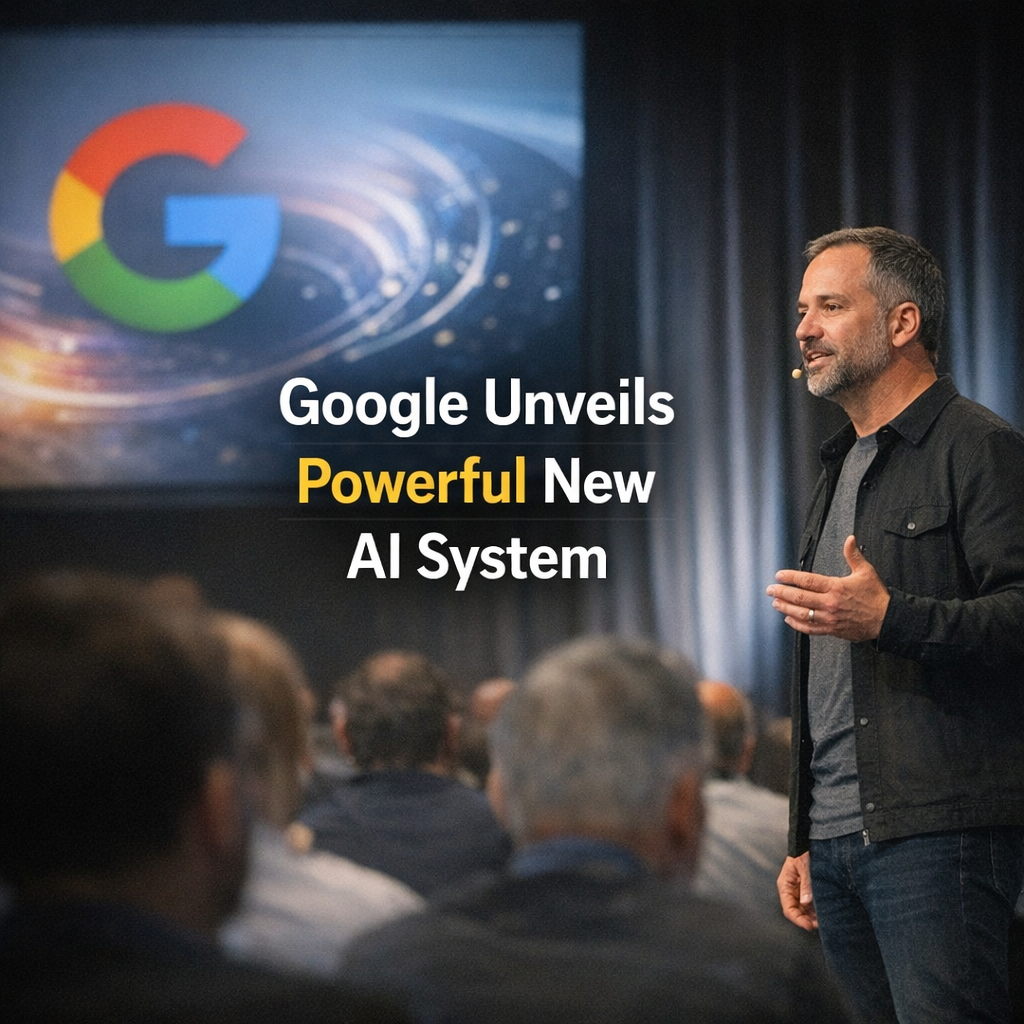
Google’s announcement—first detailed at Cloud Next 2024—signals a major leap for enterprise adoption of generative AI. By integrating “AI Overviews” into Gmail for Google Workspace business accounts, professionals will be able to distill long threads, extract action items, and get context-rich summaries, all within their primary email interface.
“AI Overviews will accelerate decision-making and help teams focus less on information sorting, more on high-impact tasks.”
This approach moves generative AI from optional add-ons to a core productivity layer. Also, by supporting context-aware answers—like pulling insights from Google Docs, Drive, or Calendar—Google aims to create a seamless intelligent workspace.
Competitive Landscape: Microsoft, Slack, and the AI Productivity Race
The launch positions Google to compete more aggressively with Microsoft’s Copilot for Outlook and 365. Microsoft already integrates LLMs to summarize emails, recommend responses, and generate meeting notes. Similarly, Slack GPT and other startups (e.g., Superhuman) are embedding AI into collaboration and communication tools to trim digital busywork.
“The enterprise AI race is moving from experiments to business-critical automation, especially as companies demand visible ROI from generative investments.”
Developer and Startup Implications
For developers, Google’s move spells major platform opportunities. As AI Overviews become standard, expect APIs and endpoints that enable custom automations or integrations. Startups focused on workflow automation, sales intelligence, or knowledge management can innovate on top of Workspace’s AI infrastructure.
Furthermore, with privacy and data security in the spotlight, Google emphasizes that AI processing respects organizational controls. Enterprises and solution providers must align with compliance requirements and be transparent about data access when deploying generative AI models in communication.
Outlook: What AI Overviews Mean for the Future of Workspace Productivity
AI Overviews reflect the broader trend of moving from isolated AI features to deeply embedded, workflow-centric intelligence. By contextualizing and automating knowledge work at scale, Google is setting a precedent for how enterprise software will evolve with LLMs at the core.
“AI-native productivity tools are poised to redefine how teams extract value from communication, collaboration, and enterprise data.”
Professionals, IT leaders, and AI builders should prepare for rapid changes in how digital work unfolds, as competition spurs further innovation in the LLM-powered workspace.
Source: TechCrunch