The race to redefine the AI-powered smart home is intensifying. Apple appears primed to enter the fray with a Siri-enhanced, generative AI display device, signaling a bold new chapter for both its HomePod hardware and the wider connected device ecosystem. As tech giants like Amazon and Google double down on AI-driven home assistants, Apple’s rumored move carries major implications for developers, AI startups, and consumers eager for seamless, intelligent ambient computing.
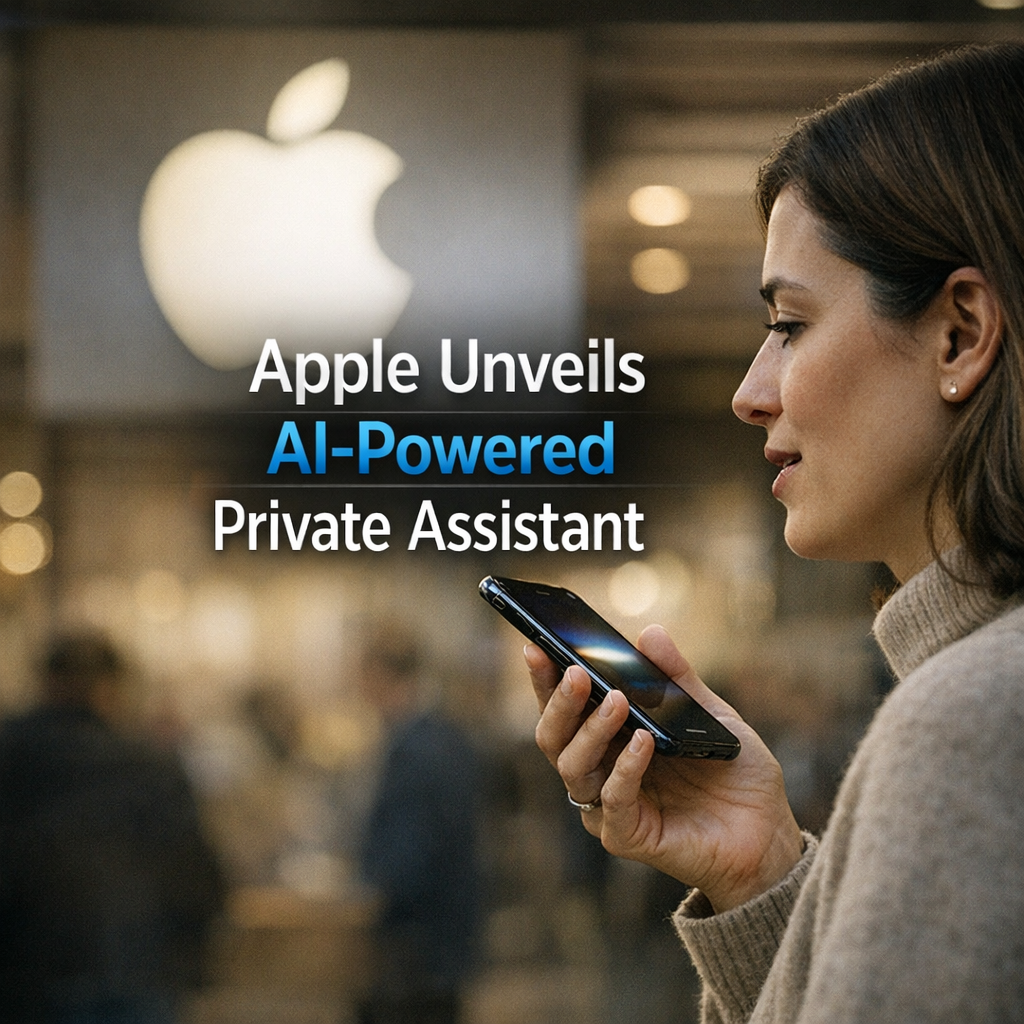
- Apple plans to launch an AI-powered HomePod with a smart display and generative Siri enhancements.
- The device aims to rival Amazon Echo Show and Google Nest Hub, blending hardware innovation with on-device LLMs.
- Developers can expect new APIs and opportunities to build for an Apple-centric smart home OS.
- This strategic shift amplifies the competitive landscape for generative AI interfaces within IoT ecosystems.
Key Takeaways
Apple’s foray into AI-first home devices marks a significant escalation. The rumored HomePod with a smart display and upgraded Siri underscores the company’s commitment to generative AI and on-device large language models (LLMs). This move not only positions Apple to compete head-to-head with Amazon and Google but also promises a new playground for developers to create rich, voice-driven home experiences. Hardware, OS-level APIs, and privacy-centric AI architecture will shape the next generation of smart home products.
Apple’s AI-powered HomePod display signals a fundamental shift—ambient intelligence is moving from the phone to the heart of the home.
Apple’s AI Smart Display: Details and Market Context
Recent reports from India Today, Bloomberg, and 9to5Mac suggest Apple is readying a new HomePod with a display, potentially arriving in the wake of the iPhone 18 Pro. The device is expected to anchor Apple’s smart home ambitions, integrating a high-resolution screen, advanced microphones, and robust on-device AI capabilities. Unlike earlier HomePod models, this version would leverage generative AI for contextual conversations, smart home controls, and media experiences—all powered by a next-gen Siri.
With market rivals already capitalizing on AI enhancements—Amazon’s Echo Show offers Alexa-driven routines, while Google’s Nest Hub uses its own AI chips for local inference—Apple is under pressure to deliver a compelling, privacy-forward alternative. The combination of Apple silicon, local LLM inference, and deep iOS integration could set a new standard for responsiveness and user trust.
Smart displays that natively run LLMs raise the bar for privacy, edge processing, and personalized interactivity.
Developer Opportunities and Platform Implications
Apple’s push into the AI home display space opens a fresh frontier for app and skills development. Developers should anticipate API updates that tie into smart home management, multimodal interfaces, and possibly custom generative workflows anchored by Siri. Apple’s ecosystem lock-in strategy will challenge startups to innovate within its walled garden, but also provides the stability and scale developers crave.
By advancing on-device LLMs, Apple aims to reduce latency, protect user data, and support offline interactivity. This presents unique challenges and advantages: less reliance on cloud data centers, but heavier demands on optimization and model compression for edge execution.
When LLMs run locally, the boundaries between app, assistant, and device begin to blur—creating fertile ground for new AI-native user experiences.
Implications for Startups and AI Ecosystem Players
Apple’s entrance into the generative AI display market will intensify competition among established players, while also offering potential partnership and integration plays for startups specializing in smart home hardware, NLP models, and secure AI architecture. Companies crafting HomeKit-compatible products or generative content services may find new distribution channels—and face renewed scrutiny over interoperability standards.
Privacy remains central to Apple’s pitch. By emphasizing local processing and minimizing data sent off-device, Apple can position its smart home solution as the default choice for users wary of constant cloud connectivity. Privacy-centric AI is now a commercial differentiator, not just a compliance checkbox.
The next wave of smart home adoption will hinge on user trust—devices that respect privacy and think at the edge will gain an early lead.
Looking Forward: Shaping the AI-Driven Smart Home
Apple’s rumored HomePod display with generative AI represents more than a product launch—it’s a bellwether for where home computing is heading. As LLM-driven assistants grow more capable and context-aware, device-makers and developers must pivot to new paradigms of ambient intelligence. Expect a surge in frameworks, standards, and hardware innovation tailored for the AI-powered home over the next eighteen months. The challenge now: turning these technical leaps into daily experiences that feel truly seamless and secure.
Source: India Today