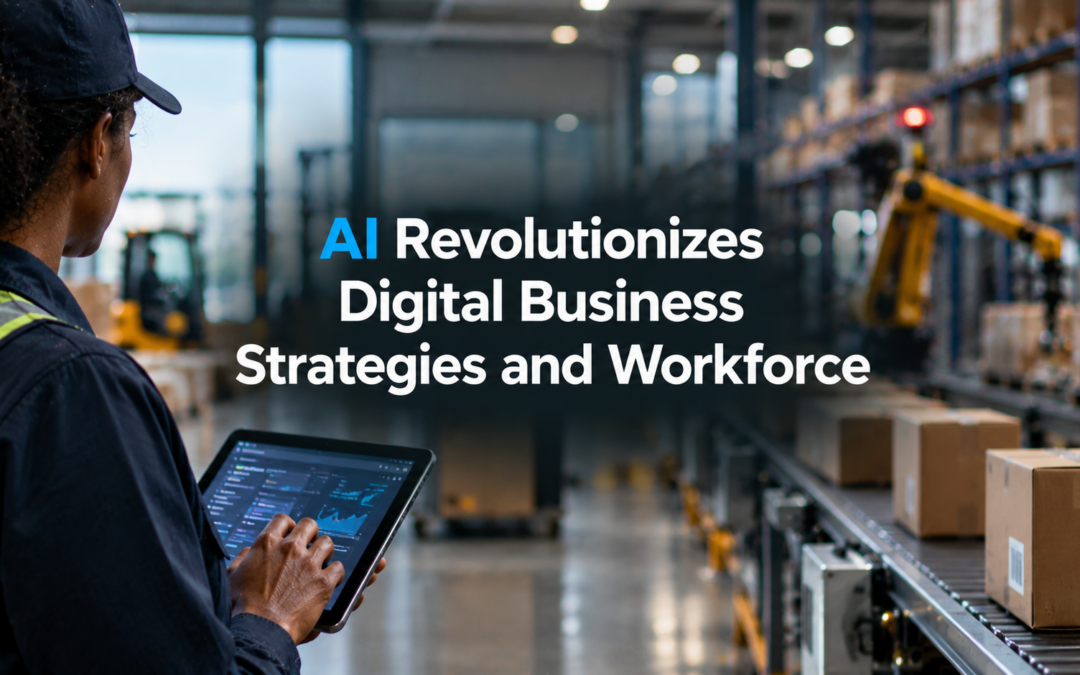
Artificial intelligence’s relentless momentum is rewriting the playbook for digital businesses. In the past week, AI and large language models (LLMs) have triggered new strategies in marketing, development, and enterprise innovation. Stakeholders need to understand not just the headlines, but the abrupt pace and real consequences for how data-driven companies build, deploy, and govern their workflows.
- Generative AI tools are rapidly evolving, redefining workflows and prompting new productivity strategies in the enterprise.
- Companies are initiating stricter AI governance as LLMs become core infrastructure, especially for marketing and consumer engagement.
- Talent demand is spiking for AI-savvy professionals, as organizations race to integrate models in both technical and creative roles.
- Industry leaders like OpenAI, Google, and Adobe are making pivotal moves that signal next-gen AI platform priorities.
Key Takeaways: Major Shifts in AI Business Practice
Organizations investing in generative AI stand to gain a competitive edge, but only if they adapt their development stacks and upskill teams in lockstep with new tools. Marketing departments—often the first to adopt LLM-driven content workflows—are retooling faster than anticipated, forcing IT and compliance leaders to react quickly. Meanwhile, talent shortages for AI-fluent professionals continue to intensify.
“Today’s high-velocity innovation in AI does not reward those who merely keep pace — only those who rearchitect their operations around the new tools will lead tomorrow’s markets.”
Enterprise AI Adoption: Beyond Pilots and POCs
Enterprises no longer treat AI as an experimental side project. According to recent news from multiple industry trackers, at least 40% of Fortune 500 enterprises have deployed LLM-powered applications in production environments this year. Marketing teams, in particular, use AI assistants for content development, campaign design, and customer insights—reducing manual creative labor by more than half in some sectors. Adobe’s launch of generative AI features across its Creative Cloud suite further lowers the adoption barrier for creative teams without deep technical backgrounds.
The New AI Platform Wars
Platform giants are betting big on proprietary AI features. OpenAI has announced SDK improvements for faster model integration, while Google’s Gemini API is now designed to plug seamlessly into Vertex AI, allowing for multi-modal app development at scale. These moves reshape how developers choose between build-vs-buy and influence where startups deploy their AI workloads.
“Platform battles are now waged on SDK flexibility, ecosystem lock-in, and the ability to move models to production with minimal friction.”
AI Governance Moves to the Forefront
With LLMs entering mainstream operations, responsible AI governance becomes a top priority. Several global consumer brands, including Nestlé and Unilever, recently instituted formal guidelines for chatbot output review, data usage, and model updates. Regulatory scrutiny now targets not just data privacy, but also model explainability and copyright risks. Developers face mounting pressure to ensure transparency, auditability, and bespoke compliance as they roll out generative AI tools for both employees and customers.
The Changing Talent Equation
LinkedIn and Glassdoor report a 28% quarter-over-quarter increase in job postings seeking AI platform integration skills, spanning Python, TensorFlow, and API orchestration. Non-technical roles are feeling the shift, too. Marketing and customer success teams are expected to master prompt engineering and LLM-driven analytics. Continuous learning is non-negotiable—with companies funding reskilling programs or facing operational drag as new AI functions roll out.
“Adaptability is now the most valuable skill in organizations embracing AI — from backend integration to front-line creative collaboration.”
What Comes Next: AI’s Accelerating Impact
Industry momentum shows no sign of slowing. Generative AI is cementing itself as the backbone of digital business operations, and leaders who align process, talent, and governance with these technologies will thrive. Expect sustained investment in AI infrastructure, more demand for hybrid-skilled professionals, and a continued blurring of technical and creative boundaries.
Source: MarketingProfs