The pace of AI innovation continues to reshape the global tech landscape, driving both urgency and uncertainty across industries. As generative AI and large language models (LLMs) become increasingly sophisticated, their adoption is creating new market leaders, rewriting workflows, and raising crucial questions about regulation and trust. This week’s developments offer a snapshot of where the AI revolution stands—and where it’s heading next.
- Major tech firms launch advanced LLM features for business and marketing solutions.
- Regulatory scrutiny intensifies as lawmakers target generative AI’s societal impact.
- Startups deploy AI-driven tools raising the stakes for established software providers.
- Shifting user expectations challenge companies to keep pace or risk obsolescence.
Key Takeaways
AI, LLMs, and generative models are not just trending—they’re redrawing business fundamentals in real time. Several high-profile launches this week further blurred the boundary between human and machine-generated content, with AI now embedded directly in marketing, content creation, and enterprise software suites.
As AI capabilities accelerate, the only constant is market disruption—the companies that adapt fastest will define the next chapter of enterprise software.
Regulators, meanwhile, are stepping up their involvement, flagging ethical issues and preparing new frameworks targeting algorithmic transparency and content authenticity. For AI professionals, founders, and developers, the stakes are growing: competitive advantage now depends not just on using AI, but using it wisely, responsibly, and ahead of the curve.
Major Launches Push Generative AI Deeper Into Enterprise Workflows
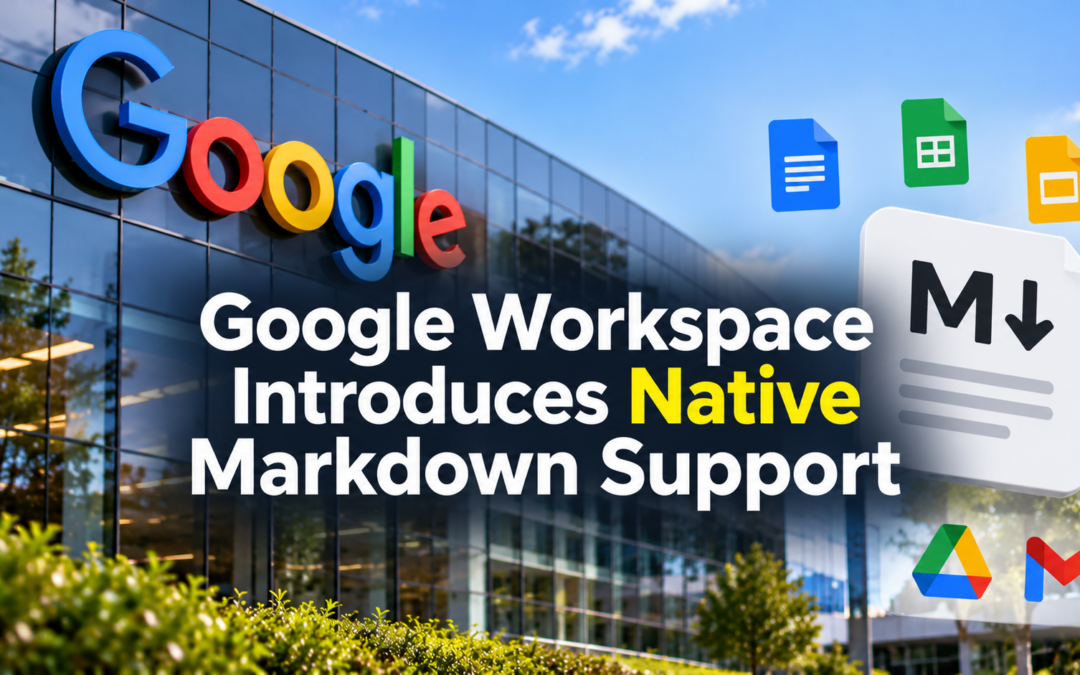
Tech juggernauts like Google, Microsoft, and Salesforce have all announced fresh integrations of LLMs into their cloud and marketing platforms. Google expanded its AI-powered features within Google Workspace, automating everything from slide deck creation to email drafting. Sales teams can now leverage generative tools to assemble hyper-personalized campaigns in minutes, a process that used to require collaboration among multiple departments and specialized software.
Microsoft, not to be outdone, released new Copilot enhancements tied into Teams and Office, positioning AI as a real-time collaborator for decision-making and insights. For developers and SaaS startups, this signals a rapidly shrinking window for standing out with bespoke AI features. Differentiation increasingly requires vertical focus, proprietary data, or unique workflow integrations.
When every platform offers “AI inside,” startups must specialize or risk being left behind by massive ecosystem players.
Regulatory Pressure Mounts as Generative AI Spreads
As AI-generated content proliferates, regulators across the US, EU, and Asia have moved closer to action, signaling upcoming requirements around transparency, watermarking, and source disclosure for marketing claims and automated outputs. The US Senate held a series of hearings on responsible AI regulation, focusing on preventing misinformation and protecting consumer rights.
Europe’s Digital Services Act advanced proposed guardrails for LLM-enabled chatbots and content tools, particularly targeting platforms with a consumer reach exceeding 45 million users. The goal: force greater auditing of algorithmic decisions and impose clearer reporting on automated marketing activity.
Compliance is rapidly becoming as critical as algorithmic performance for AI product teams hoping to launch at scale.
Startups Accelerate, Incumbents Respond
AI-driven startups are rolling out niche SaaS tools for marketers, HR, and customer support at an unprecedented pace. Companies like Jasper and Writer have added enterprise-grade controls and extensibility, allowing businesses to blend generative AI with their proprietary datasets. Meanwhile, legacy CRM and marketing software vendors face a stark choice: integrate LLMs quickly or risk losing their user base to more agile, AI-first challengers.
Several tech insiders report increased M&A activity as established players race to buy or partner with promising AI startups to shore up their portfolios. Talent wars are intensifying, particularly for prompt engineering, AI safety, and applied ML researchers.
In this climate, the line between customer experience and AI capability has nearly vanished; users now expect instant relevance, accuracy, and scalability from every brand touchpoint.
Impact Analysis for Developers and AI Professionals
For developers, the recent moves by cloud giants mean demand for AI integration expertise will keep rising, but so will the bar for originality and technical depth. Building on top of generic LLM APIs is no longer enough; new success stories will come from innovations in data handling, domain adaptation, fine-tuning, and rigorous validation.
AI professionals must also navigate shifting compliance requirements. Model explainability, bias mitigation, and data provenance are now core features, not afterthoughts. Investors are looking for teams that can both accelerate product velocity and embed trust into every layer of their models.
For founders, the challenge will be balancing rapid go-to-market execution against a landscape rapidly filling with “AI-washed” features from Big Tech. Clear customer value, robust data pipelines, and defensible IP will determine which startups endure as AI becomes a baked-in baseline across software.
Looking Ahead: The Stakes Grow Higher
This latest wave of AI and LLM breakthroughs marks more than a technical milestone—it sets the agenda for the next year of technology investment, hiring, and regulatory debate. Generative AI has passed the hype phase and now enters a period of intense operational scrutiny. Market leaders, whether startups or established giants, will be defined by their speed, sophistication, and ability to earn user trust at scale.
Source: MarketingProfs