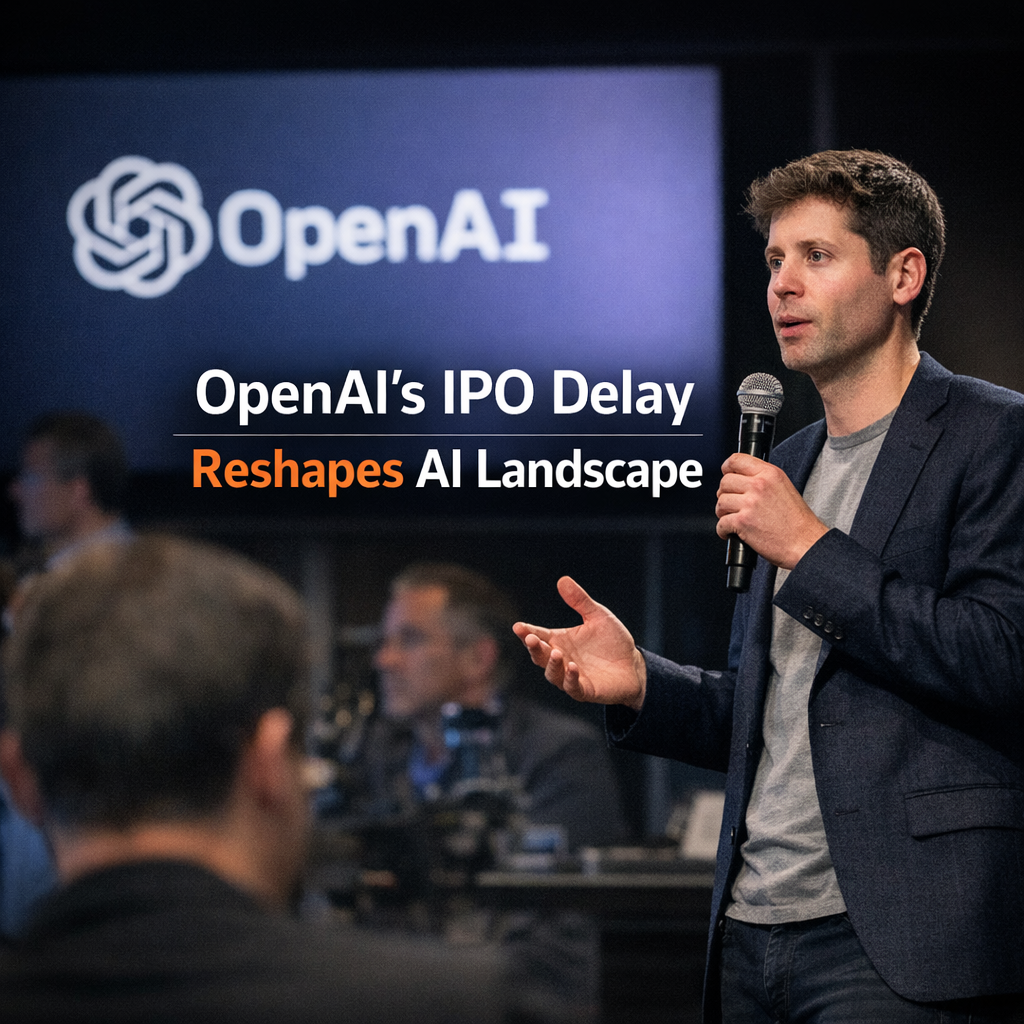
The generative AI startup landscape in the US continues to surge, with dozens of companies breaking funding milestones.
Recent analysis of the 2025 investment trends reveals deep-pocketed confidence in large language models (LLMs), machine learning infrastructure, and vertical AI solutions, marking a pivotal shift in how AI shapes the business and developer ecosystem.
Key Takeaways
- 49 US-based AI startups raised $100M+ each in 2025, signaling historic investor enthusiasm.
- Generative AI platforms, LLMs, and infrastructure dominate the fundraising leaderboard.
- Enterprise tools and industry-focused AI solutions attract growing market interest.
- Competition heats up as both established tech giants and startups aggressively pursue generative AI innovation.
- Practical, real-world AI applications drive new enterprise adoption across sectors.
Major Funding Accelerates the US AI Sector
AI investment reached unprecedented heights in 2025. According to TechCrunch and data compiled by Crunchbase, 49 startups based in the US each secured at least $100 million in capital this year.
These numbers far outpace previous cycles, underscoring intensifying competition in AI infrastructure and generative AI models.
AI infrastructure startups dominate fundraising, capturing the confidence of both traditional VCs and tech strategics.
Investors concentrated on companies architecting LLMs, deploying foundational models, and building developer-friendly AI tools. For example, OpenAI, Anthropic, and Cohere saw fresh multi-hundred-million-dollar rounds intended to boost compute scaling and productization.
Infrastructure players like Databricks and Scale AI equally drew attention for their developer and enterprise enablement capabilities.
Generative AI Matures: From Demos to Enterprise Deployment
Several top-funded startups are pushing LLMs, multimodal models, and agentic frameworks into practical enterprise settings.
According to CBInsights, demand for more efficient, domain-specific, and safety-aligned generative models is shaping the current AI adoption wave.
Startups building custom co-pilots for sectors like healthcare, legal, and finance raised outsized rounds, reflecting surging business demand for verticalized solutions.
Enterprise clients now prioritize compliance, model explainability, and seamless deployment when evaluating AI vendors.
Implications for Developers and AI Professionals
The massive inflow of capital has direct consequences for developers and AI professionals:
- Access to sophisticated open-source and commercial LLMs will accelerate, lowering the barrier for building domain-specific applications.
- Startups offering developer APIs, model fine-tuning, and scalable AI infrastructure will grow their recruiting and community programs.
- Security, privacy, and safety tools around generative AI are emerging as crucial opportunities as models enter more regulated industries.
With capital flowing into tooling and foundation models, 2025 is a defining year for developers to build and differentiate on top of next-gen AI stacks.
Startups Face New Competition and Growth Hurdles
While funding unlocks rapid expansion, today’s AI startups confront new risks.
The pace of technical breakthroughs in LLMs, led by OpenAI’s GPT-5 and Google’s Gemini Ultra, raises the bar for product defensibility.
Furthermore, rising cloud costs and evolving regulatory standards put pressure on scaling strategies. Incumbent cloud providers like AWS, Google Cloud, and Microsoft Azure also push aggressively into AI, intensifying market competition even as they partner with startups.
Looking Ahead: Enduring Themes and Market Signals
The 2025 funding boom cements the centrality of generative and vertical AI in the software innovation agenda. Enterprise adoption is no longer experimental; it’s shifting to large-scale, mission-critical workflows.
Investors and founders now focus on monetization, responsible scaling, and strategic differentiation, especially as market consolidation looms.
Expect 2026 to bring even more focus on AI-powered productivity tools, robust MLOps, and regulatory resilience, as real-world application and trust become table stakes for success.
Source: TechCrunch