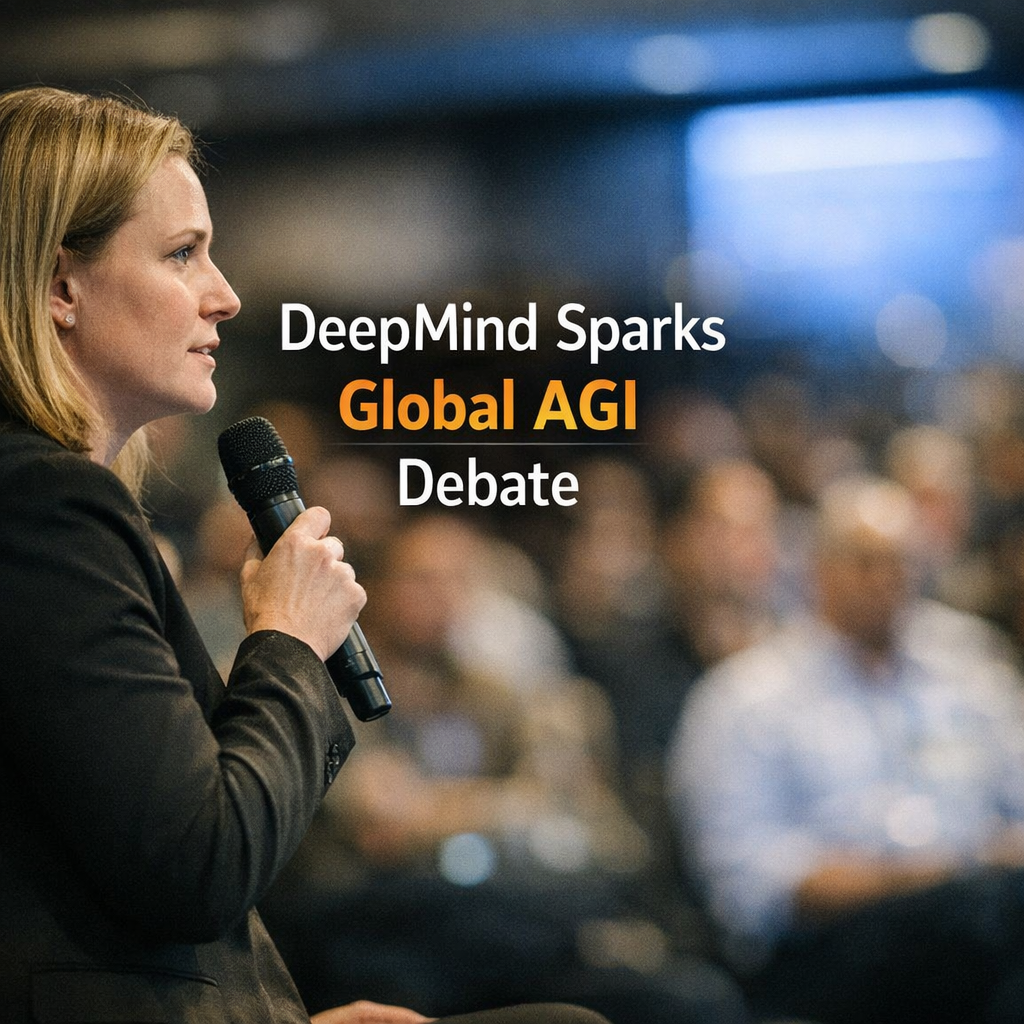
As competition intensifies in the artificial intelligence sector, Google DeepMind’s new initiative sparks vital debate about the trajectory of AGI (artificial general intelligence). With questions about ethics, safety, and transparency looming larger than ever, DeepMind’s move signals a clear intention—steering the global dialogue beyond the closed doors of Silicon Valley. This shift arrives at a moment when governments, businesses, and developers are all seeking a stronger say in how AGI gets built and governed.
- Google DeepMind forms a dedicated institute to broaden the AGI conversation globally.
- Industry experts, policymakers, and civil society will weigh in on AGI’s future directions and risks.
- This institute aims to counterbalance Big Tech’s dominance over AI safety and governance frameworks.
- Developers, founders, and AI professionals may see new channels to shape ethical standards and open research.
- The move mirrors broader calls for transparency, accountability, and democratized influence in LLM and generative AI development.
Key Takeaways: Why DeepMind’s Institute Resets the AGI Debate
Rather than letting a handful of corporations dictate the terms of artificial general intelligence, DeepMind’s new institute opens doors for a wider range of stakeholders. For developers and researchers, this could mean access to more open datasets, cross-disciplinary research, and opportunities to set ethical boundaries proactively. For policymakers and industry leaders, a public-facing conversation on AGI can serve as a model for regulation in other high-impact tech sectors.
This initiative signals that the path to AGI should not be forged by tech giants alone—society must co-design the rules that will govern its future.
The Blueprint: Inside DeepMind’s AGI Institute
Founded as a response to intensifying AGI competition (notably from OpenAI and Anthropic), DeepMind’s new institute will operate as a standalone entity with participation from scholars, ethicists, government officials, and industry veterans. The goal is to produce not just academic papers, but actionable recommendations on technical safety, societal benefit, and long-term risks. Crucially, the institute’s structure appears designed to minimize direct commercial influence, distinguishing it from in-house research groups at tech conglomerates.
Opening the black box of AGI design demands independent voices empowered to challenge the status quo.
Opportunities for Developers and AI Founders
For AI builders, this institute could increase access to previously siloed knowledge—dataset curation, robust alignment protocols, and new benchmarks—all with input from broader communities. The move echoes demands in the AI developer community for more open research pathways and for spaces where the next generation of LLMs and generative AI models can be built with transparency at their core.
Startups may also benefit from a more level playing field: If universal safety standards or open evaluation protocols emerge from this institute, smaller players can more credibly demonstrate trustworthy AI without matching the infrastructure of giants like Google or OpenAI. This democratization could speed responsible innovation across the ecosystem.
Access to open safety standards could lower the barriers for startups to launch reliable, globally competitive AI systems.
Shifting the AGI Governance Model
This initiative reflects rising calls from governments (see the UK’s AI Safety Summit, or recent EU AI Act discussions) for broader oversight and shared governance of frontier models. Recent concerns—from AI “hallucinations” to systemic risks—have underlined the need for guardrails agreed upon by more than just corporate stakeholders.
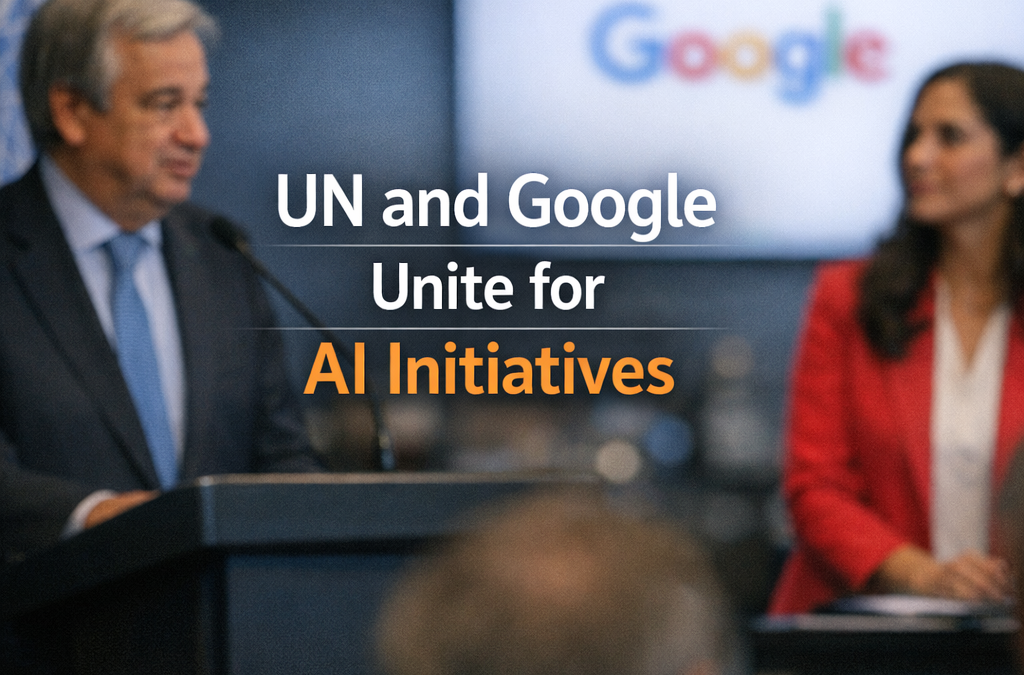
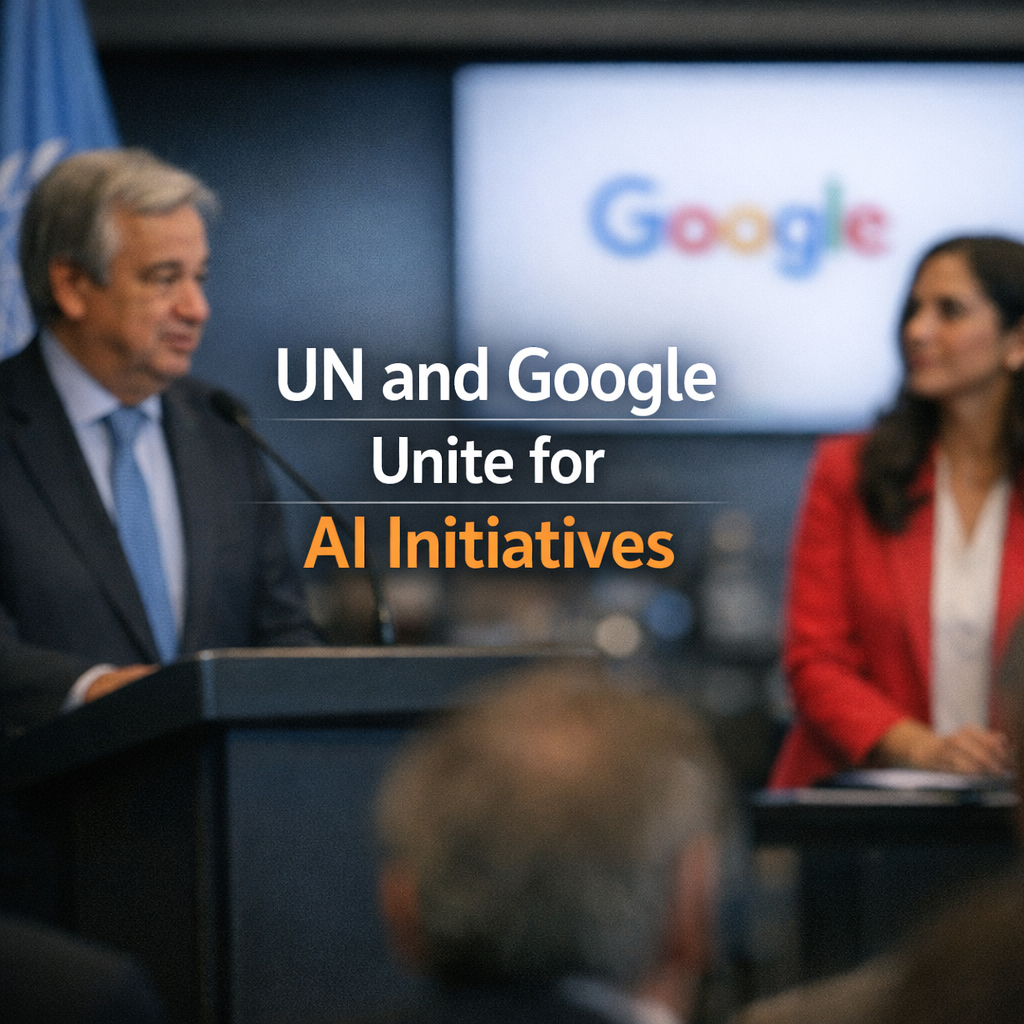
Notably, DeepMind’s institute plans to collaborate with international organizations, aligning with efforts like the OECD’s AI Principles and the United Nations’ AI advisory initiatives. This signals an industry-wide pivot, where the AGI roadmap grows more globally accountable and less centralized in Silicon Valley or a small set of U.S. labs.
As regulation approaches, industry consensus with global input may increasingly shape which LLMs and generative AI tools reach widespread deployment.
Looking Ahead: Implications for the Global AI Industry
DeepMind’s announcement turns up the pressure on competitors to open up their own AGI policy processes and rethink their engagement with outside experts. As stakeholders pour into the debate—from developers in emerging markets to civil society watchdogs—the dominant narrative around AGI development stands to become more decentralized and contested.
For the AI sector, the institute offers a test case in how to balance speed, safety, and inclusion at the highest levels of technological decision-making. Don’t be surprised if this opens the door for parallel initiatives—and pushes LLM and generative AI developers everywhere to build with a wider set of end-users and watchdogs in mind.
Source: TechCrunch