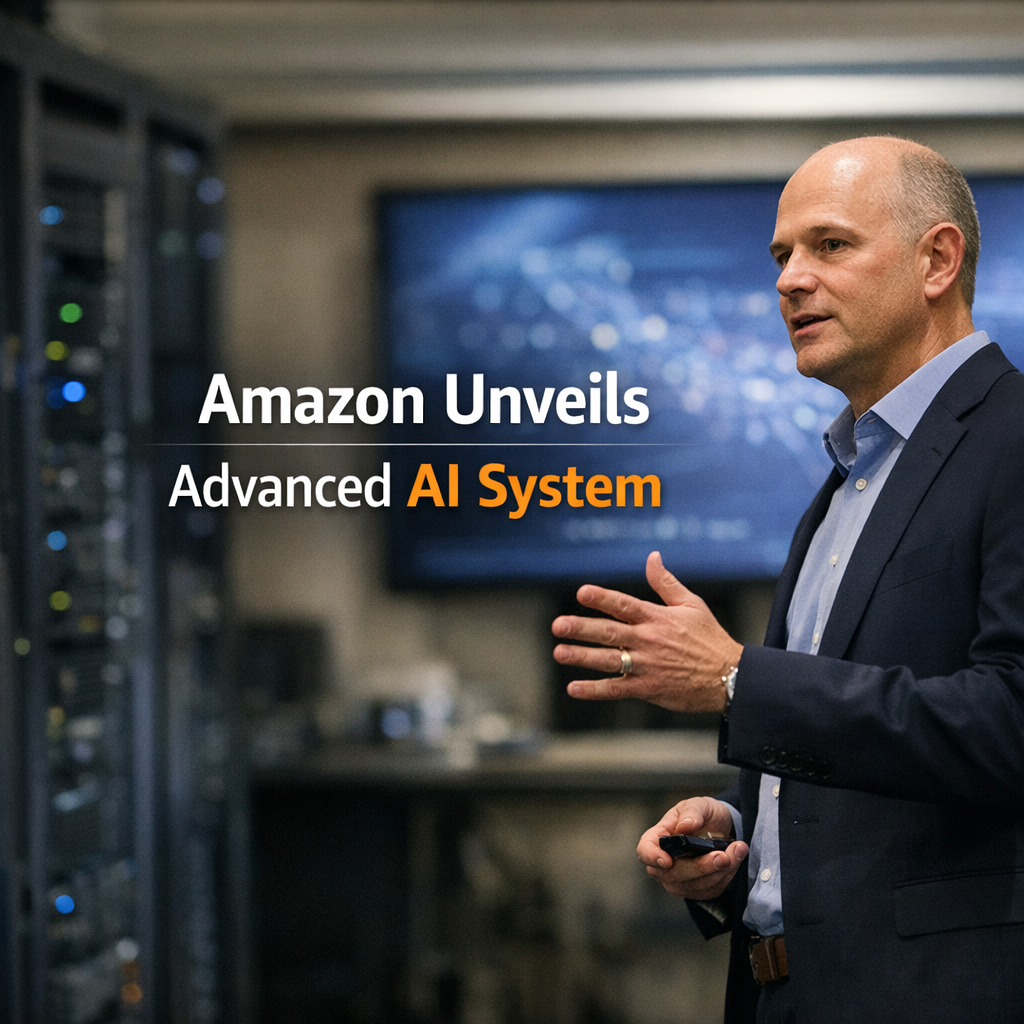
The enterprise AI landscape just saw a seismic shift as Sierra, an AI startup founded by ex-Salesforce CEO Bret Taylor, has raised $950 million in funding. Investors and founders are racing to capture the fast-growing market for enterprise-grade generative AI and large language model (LLM) solutions. Sierra’s massive funding signals a new era—where deep capital and domain expertise collide to build the next wave of intelligent business tools.
Key Takeaways
- Sierra secured $950 million in funding, signaling unprecedented investor confidence in enterprise AI.
- The startup aims to build “AI agents” tailored for business-critical workflows, targeting Salesforce and Microsoft territory.
- Enterprise generative AI is quickly becoming a battleground for startups and industry veterans alike.
- Deep domain experience, capital, and access to cutting-edge foundational models are emerging as key competitive differentiators.
- The move highlights an accelerating trend: Enterprises demand integrated, trustworthy, and efficient AI copilots—not just chatbots.
Massive Funding Surge Changes the AI Startup Playbook
Sierra’s near-billion dollar raise, led by industry-leading investors, builds on a sharp uptick in capital flowing into generative AI companies (TechCrunch, Reuters). With participation from heavyweights like Sequoia and Benchmark, the round sets Sierra’s valuation at an estimated $10 billion. The rush of funding follows investments in OpenAI, Anthropic, and Cohere—showing market belief that first movers in enterprise AI will enjoy outsize returns.
Venture capital is pouring into enterprise-focused AI, reaffirming that “AI agents” built for business process automation are the next transformative opportunity.
What Makes Sierra Stand Out?
Sierra enters a crowded field but brings unique credentials: founder Bret Taylor led both Salesforce and the Twitter-Musk acquisition. The company’s focus targets enterprise-grade “AI agents”—not just conversational bots but AI that can autonomously handle customer service, sales inquiries, and IT support. According to The Information and Bloomberg, Sierra has already landed deals with Fortune 500s to integrate with their existing CRM platforms, offering immediate business value.
Unlike general-purpose LLM providers, Sierra focuses on secure and verticalized implementation. Their GTM strategy directly challenges Salesforce, Microsoft, and even Workday, betting that enterprises desire context-aware models that safely integrate with sensitive data.
Analysis: Implications for Developers and Startups
1. New Reference Architecture: Developers must rapidly adapt to the emerging paradigm in which LLM-powered agents sit deeply within core business workflows, not merely at the interface layer.
2. Competitive Barriers: The scale of capital makes the “winner-takes-most” dynamic more likely in enterprise AI. Startups without domain access or massive investment will need to focus on rapid integration, differentiated data, or vertical expertise to survive.
3. Open Ecosystem vs. Proprietary Stack: Sierra’s approach will force both incumbents and upstarts to rethink their emphasis on proprietary versus open source tooling, as compatibility and trust move to the forefront.
AI copilots must now deliver “enterprise trust”—seamlessly integrating with security, compliance, and data stack requirements unique to each business.
Deeper Industry Impact: The Enterprise AI Arms Race
As noted by Reuters and The Information, Sierra’s raise pressures cloud and CRM incumbents to accelerate their own generative AI timelines and M&A activity. Developers and AI professionals will see rising demand for agentic workflows, AI safety tools, and vertical fine-tuning. Expect more startups to launch “AI copilots for X,” while corporations seek direct partnerships with AI teams offering robust, business-ready integration.
The next frontier in generative AI: purpose-built AI agents engineered for trust, workflow integration, and business ROI.
Where Enterprise LLMs Go From Here
Sierra’s massive financing marks a new phase. Enterprise buyers increasingly demand robust, integrated AI copilots, not fragmented experiments. For the AI ecosystem, this means higher funding thresholds, a shift towards vertical solutions, and surging competition for AI engineering talent. Building in public, open partnerships, and trusted integration will define who captures the next enterprise AI wave.
Source: TechCrunch