AI-driven personalization continues to reshape digital experiences, but Pinterest’s latest move signals a pivotal leap from inspiration to execution. With its new generative AI feature, Pinterest empowers users to turn beauty ideas from static pins into actionable, step-by-step plans—bridging the gap between creative aspiration and real-world application. As generative AI infiltrates visual platforms, product teams, app developers, and founders must rethink engagement models and real-world utility.
- New generative AI feature processes beauty Pins into tailored, multi-step routines
- Pinterest joins the growing list of consumer apps leveraging LLMs for direct, action-oriented user experiences
- Implications for SaaS builders: going beyond content discovery to actionable, AI-personalized workflows
- Raises broader questions around user trust, recommendation quality, and discovery in AI-first interfaces
Key Takeaways
Pinterest’s generative AI tool marks a significant shift toward turning aesthetic inspiration into practical transformation. For developers, the deployment of LLMs here spotlights the trend of integrating real-time, context-rich guidance into consumer applications.
“Generative AI already powers next-gen search and automation, but Pinterest’s pivot highlights how LLMs can directly enable real-world action from online ideas.”
From Passively Pinning to Step-by-Step Execution
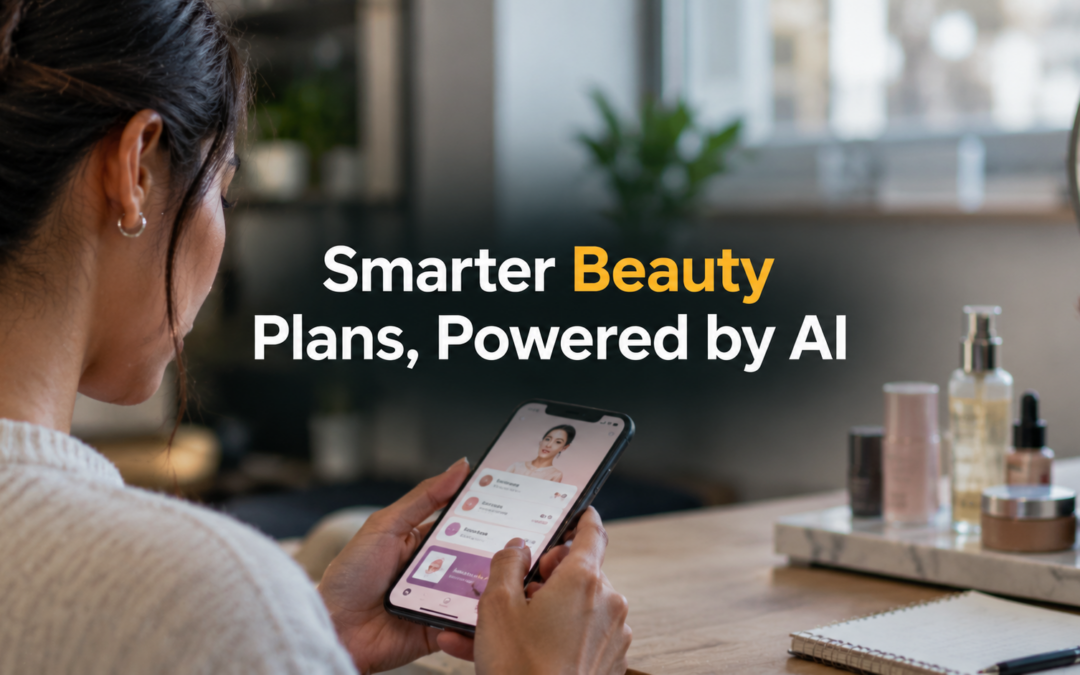
Historically, Pinterest operated as a digital moodboard—a repository of bookmarked ideas and inspirations. The introduction of an LLM-powered beauty feature changes the equation. Now, when users save makeup styles, skincare trends, or hair looks, Pinterest’s AI analyzes a user’s saved Pins to generate bespoke routines, compiling personalized step-by-step action plans.
Instead of leaving users with scattered reference images, the platform curates sequences such as morning skincare regimens or evening makeup tutorials, adapting to each member’s needs and preferences.
“By integrating generative AI, Pinterest effectively blurs the boundary between visual inspiration and practical guidance, setting a new standard for consumer engagement.”
Generative AI Moves Beyond Text: Visual Platforms Get Smarter
Recent months have shown a clear surge in mainstream platforms embedding large language models not for text generation alone, but for actionable, multimodal workflows. Pinterest joins cohorts like Instagram—which has begun experimenting with AI-generated story suggestions—and Google, which is incorporating AI assistants into search and product recommendations.
What distinguishes this feature is its use of visual context: Pinterest isn’t just summarizing or searching, but interpreting a user’s visual taste and assembling actionable plans accordingly. Pinterest’s AI models parse images, analyze descriptions, and deduce credible product steps—translating aesthetic preference into tactile outcomes.
“Pinterest’s move exemplifies how LLMs are evolving beyond language—now reasoning across images, user histories, and intent signals to produce high-value, personalized outputs.”
What This Means for Developers and Startups
For the AI development community, Pinterest’s rollout spotlights three actionable trends:
- Execution-focused AI: The demand for LLMs that not only inform but drive end-user action is rising. From therapy apps to recipe generators, personalization is no longer enough—users expect direct, stepwise guidance.
- Contextual personalization: Leveraging multimodal data (images, browsing habits, purchase history) yields smarter, more holistic recommendations. Developers must architect pipelines that parse and process varied input types securely.
- Trust and transparency: As AI-generated routines inform real-world behaviors, especially in sensitive domains like beauty or health, transparent recommendation logic and credible sourcing become imperative for both user trust and regulatory confidence.
Early feedback, including from coverage by CNBC, highlights positive user response to actionable outputs, but also spotlights questions around data privacy and the risks of AI-driven suggestions.
“Success for AI-first apps now rests not just on surfacing inspiration, but on shepherding users seamlessly from idea to outcome—without sacrificing quality or safety.”
Challenges and Competitive Signals in the Generative AI Ecosystem
Pinterest’s AI feature lands amid fierce competition in AI-powered lifestyle applications. TikTok, Instagram, and Google increasingly invest in AI assistants designed to elevate shopping, content planning, and creative workflows. Each platform wrestles with balancing AI-powered automation against maintaining user agency, data privacy, and the delight of serendipitous discovery.
For startups eyeing this space, differentiation hinges on deploying LLMs not as black-box recommendation engines, but as transparent, verifiable workflow partners. Comprehensive explainability and clear handoffs—AI to human—will separate trusted platforms from those facing skeptical audiences.
“The next wave of AI consumer apps will win by turning ideas into trustworthy procedures—making generative AI an invisible but indispensable guide from spark to finish.”
Looking Ahead: The Future of Generative AI in Real-World Routines
Generative AI’s value now extends beyond ideation and automation to orchestrating actionable, real-world processes from personal inspiration. As Pinterest’s evolution shows, AI will increasingly serve as both curator and coach, shaping how users translate digital glimpses into lived experience. For AI product builders and founders, the challenge shifts: build systems that move seamlessly from creativity to concrete results—while protecting user trust at every step.
Source: TechCrunch