AI adoption among small businesses is accelerating at an unprecedented pace, disrupting traditional operations and creating new opportunities—and threats. As generative AI and large language models (LLMs) become more accessible, a new services gap is emerging. Providers and developers must move quickly to meet the evolving needs of this vast, dynamic market.
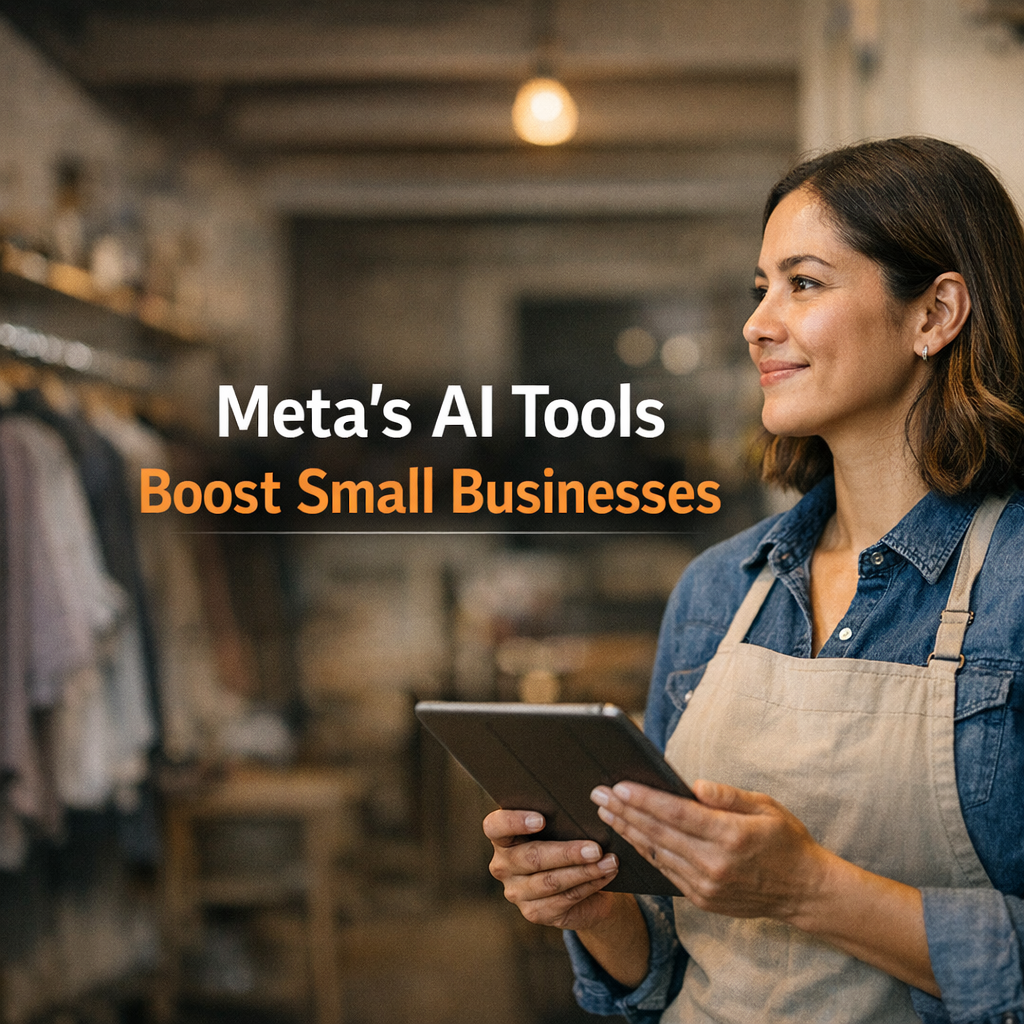
- Small businesses are integrating AI tools faster than enterprise giants.
- The surge in adoption is outstripping current service and support capabilities.
- There’s a growing demand for user-friendly, affordable generative AI platforms.
- Developers and startups face unique opportunities to address underserved business pain points.
- This wave of AI democratization is fueling an urgent call for specialized vendors and integrators.
Key Takeaways
The rapid uptake of AI by small businesses is exposing a critical shortage of tailored support, integration, and consulting services. Unlike enterprises, SMBs often lack in-house technical expertise and rely on intuitive platforms and responsive vendors. As they onboard AI in droves—a trend visible in sectors from retail to logistics—providers aiming to win this market must prioritize accessibility, scalability, and rapid deployment over complex enterprise features.
The SMB AI revolution has arrived, but a deep chasm separates easy adoption from real business value—developers and startups are racing to bridge that divide.
AI Adoption Accelerates Beyond Enterprise Borders
What was once a playground for tech giants has now become fertile ground for the smallest players in the market. According to recent surveys from Intuit and Salesforce, over half of small businesses in the US have begun experimenting with or deploying AI-driven tools—double the percentage seen just one year ago. Generative AI applications, from customer chatbots to automated marketing copy, are the most popular entry points.
While large organizations remain cautious, encumbered by legacy systems and compliance concerns, entrepreneurs and local businesses are leapfrogging ahead. Cloud-based, low-code/no-code AI solutions from platforms like Microsoft Copilot, Zoho, and Google Workspace AI integrations are leveling the playing field. With LLMs now available via robust APIs, the technical barrier continues to fall.
Small businesses are no longer waiting for permission to innovate with AI—they’re running lean experiments, learning quickly, and redefining what agility means in the age of generative intelligence.
The Services Gap: A Race for Scalable Support
This fast adoption, however, has thrust many AI-curious SMBs into a support vacuum. Unlike enterprises, these companies can’t afford dedicated data science teams or hands-on consulting from the likes of Accenture or Deloitte. A recent OpenAI developer report and a Gartner study highlight that the majority of AI issues reported by SMBs concern integration, onboarding, and fine-tuning—rather than algorithmic innovation itself.
The result is a scramble for plug-and-play solutions that come with reliable customer support and easy customization. Providers with strong documentation, responsive help desks, and hands-on onboarding stand to gain rapidly. New service startups are already emerging, such as AI4SMB and Botmakers.io, aiming to fill this white space with hands-on AI enablement.
For AI vendors targeting SMBs, the battle isn’t over features—the real competition is over who delivers seamless integration and trustworthy support at scale.
Opportunities and Challenges for Developers and Startups
This AI gold rush opens unique doors for developers, especially those focusing on API accessibility, workflow automation, and affordable vertical solutions. Startups that design AI tooling with intuitive UX, simple onboarding, and transparent costs are finding early success among SMB clients.
Yet the field isn’t without risk. Data privacy, lack of standardization, and limited technical resources among small business buyers create friction. Solutions like Notion AI and Jasper have addressed some concerns by prioritizing privacy-first features and clear consent models, but gaps persist.
Those who help SMBs cross the last mile—from AI possibility to real ROI—will become the next wave of indispensable service providers in the AI ecosystem.
Forward Outlook: The Next Wave of AI Democratization
The surge of AI adoption among small businesses signals more than a technological leap—it marks a profound shift in who drives everyday innovation. As service providers race to close the support gap, expect to see new partnerships, hybrid solution models, and perhaps a rethinking of what “AI as a service” really means for non-enterprise users. The companies that combine accessibility with deep integration capabilities will shape the next chapter of generative AI’s real-world impact.
Source: CIO.com