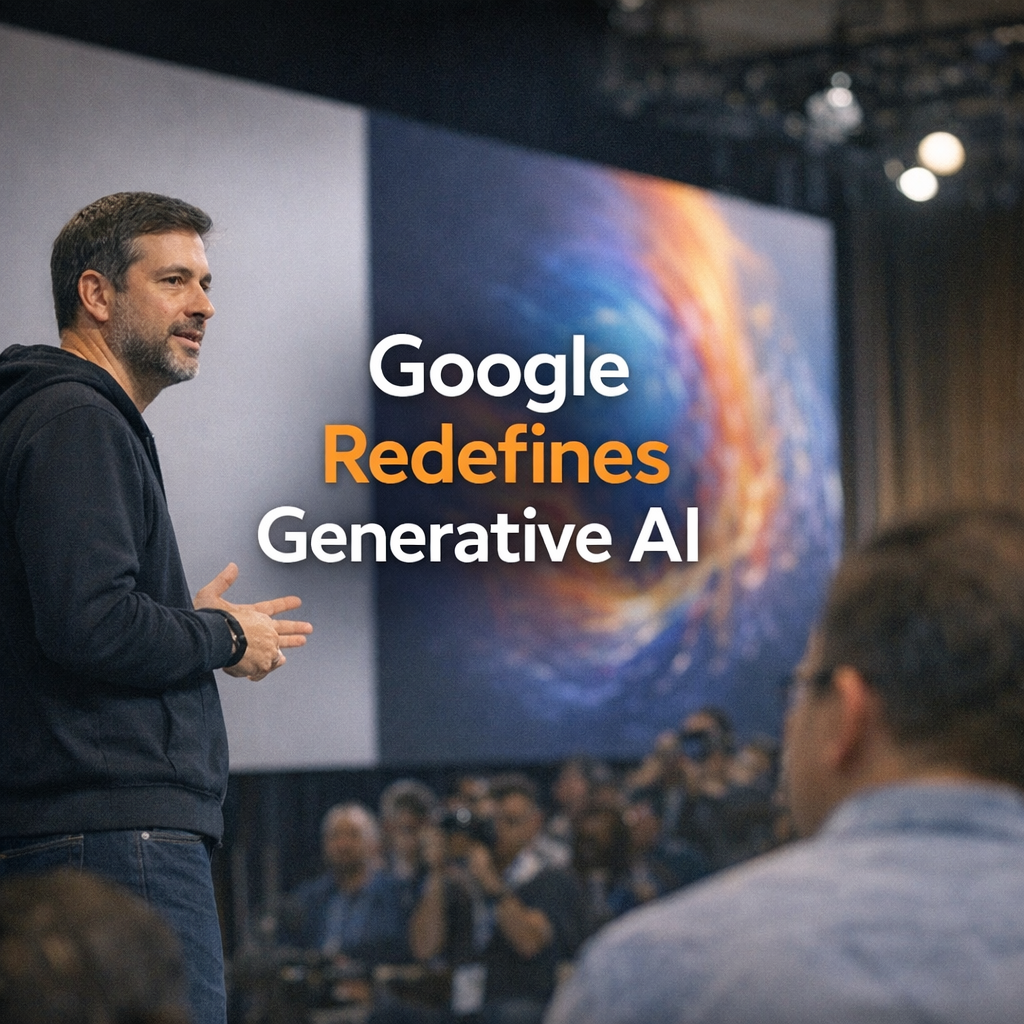
AI integration within digital advertising platforms continues at a rapid pace. Google’s latest move brings generative AI directly into its Ad Manager interface, enabling publishers and advertisers to streamline campaign creation and boost efficiency. As competition intensifies in ad tech, practitioners and businesses are seeking every edge — understanding the landscape of AI-powered ad tools has become critical for anyone involved in digital marketing, ad ops, or AI product development.
- Google introduces a generative AI chatbot inside Ad Manager.
- The tool aims to automate campaign queries and optimize ad operations.
- Impacts include faster workflows, insights for publishers, and new opportunities for AI-driven customization.
Key Takeaways
Google Embeds Generative AI Chatbot into Ad Manager
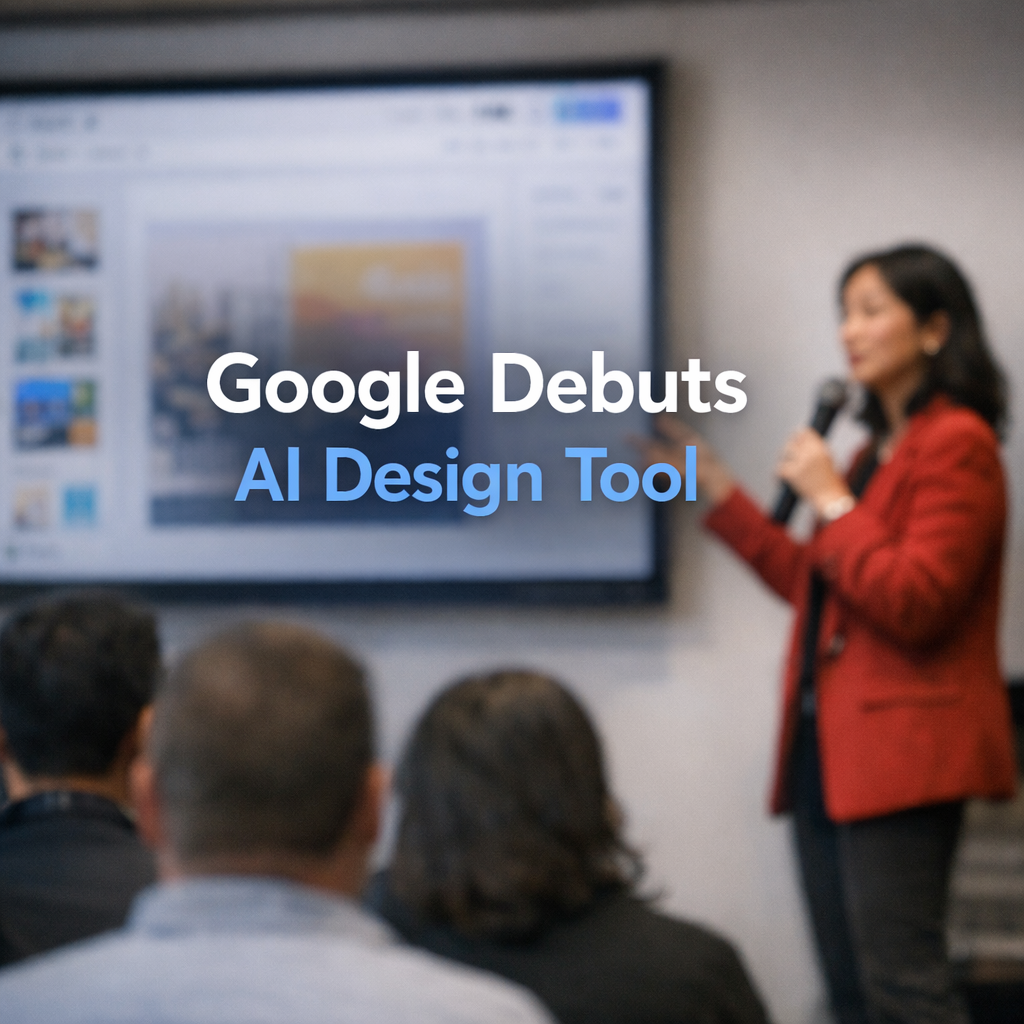
Google has unveiled a new generative AI assistant within its Ad Manager, designed to answer publisher questions, troubleshoot common issues, and generate reports on demand. The conversational interface draws from Google’s large language models (LLMs), allowing for more intuitive interactions compared to standard search or dashboard navigation.
AI-driven assistants are redefining the digital advertising workflow, turning complex data queries into straightforward conversations.
The chatbot allows users to ask natural language questions, such as “What ad units have seen the biggest revenue changes this month?” or “How can I improve my fill rate?” The system then responds with tailored data, visualizations, or actionable recommendations, eliminating the need to manually search metrics or dig through documentation.
Implications for Publishers, Advertisers, and AI Professionals
For publishers, Google’s AI assistant streamlines routine analysis and troubleshooting, reducing the need for specialized ad ops staff to navigate large datasets. Advertisers benefit from faster iteration during campaign optimization, as the tool suggests targeting or creative changes in response to real-time performance indicators.
AI can now bridge the gap between campaign data and strategic decision-making — all within the ad management workflow.
Developers and AI practitioners gain valuable insights into how large tech platforms integrate LLMs into legacy products. By analyzing Ad Manager’s implementation, one can observe best practices for marrying conversational AI with complex enterprise dashboards.
Competitor Landscape and Future Outlook
While Microsoft has already introduced Copilot features within its advertising suite, and Amazon deploys AI for ad creative and targeting, Google’s in-platform assistant raises the standard for built-in automation. New features in Ad Manager signal a growing expectation that generative AI should directly empower end-users, not just developers.
Industry experts expect that Google will continue advancing AI’s role in ad tech, likely adding capabilities like deeper campaign forecasting, creative asset generation, and cross-channel optimization. The move also aligns with publishers’ rising interest in reducing operational costs and maximizing ad yield through intelligent automation.
As generative AI grows more accessible, digital marketers and ad tech professionals must adapt or risk being left behind.
What’s Next for AI-Powered Ad Management?
The addition of generative AI into Google Ad Manager isn’t just a feature drop — it represents a shift in how the ad ecosystem leverages automation. Publishers, advertisers, and platform developers now face increasing pressure to upskill in AI, explore new workflow possibilities, and reimagine how conversational interfaces can drive decision-making at scale.
Businesses exploring AI tools in ad management should closely watch for rapid feature rollouts, increased personalization opportunities, and a race among major players to deliver the most efficient, data-driven campaign management experience.
Source: TechCrunch