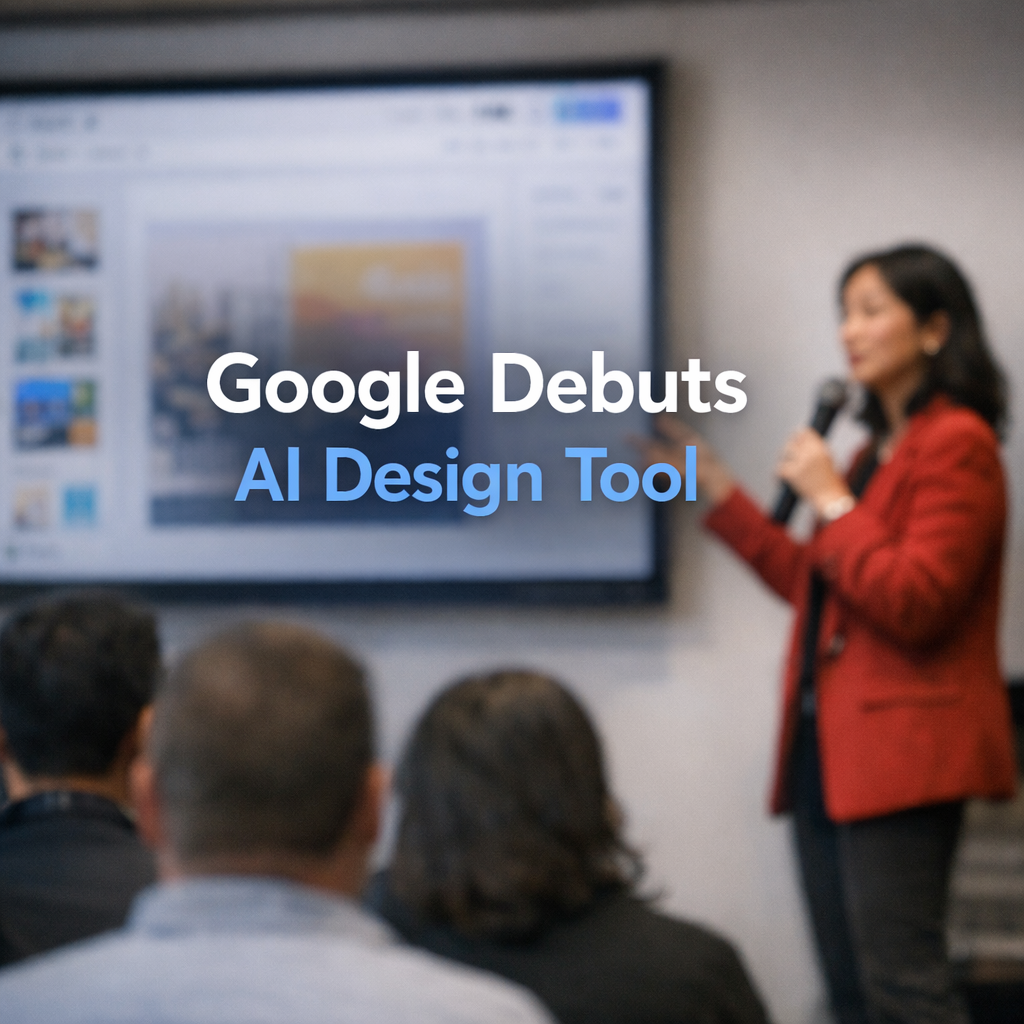
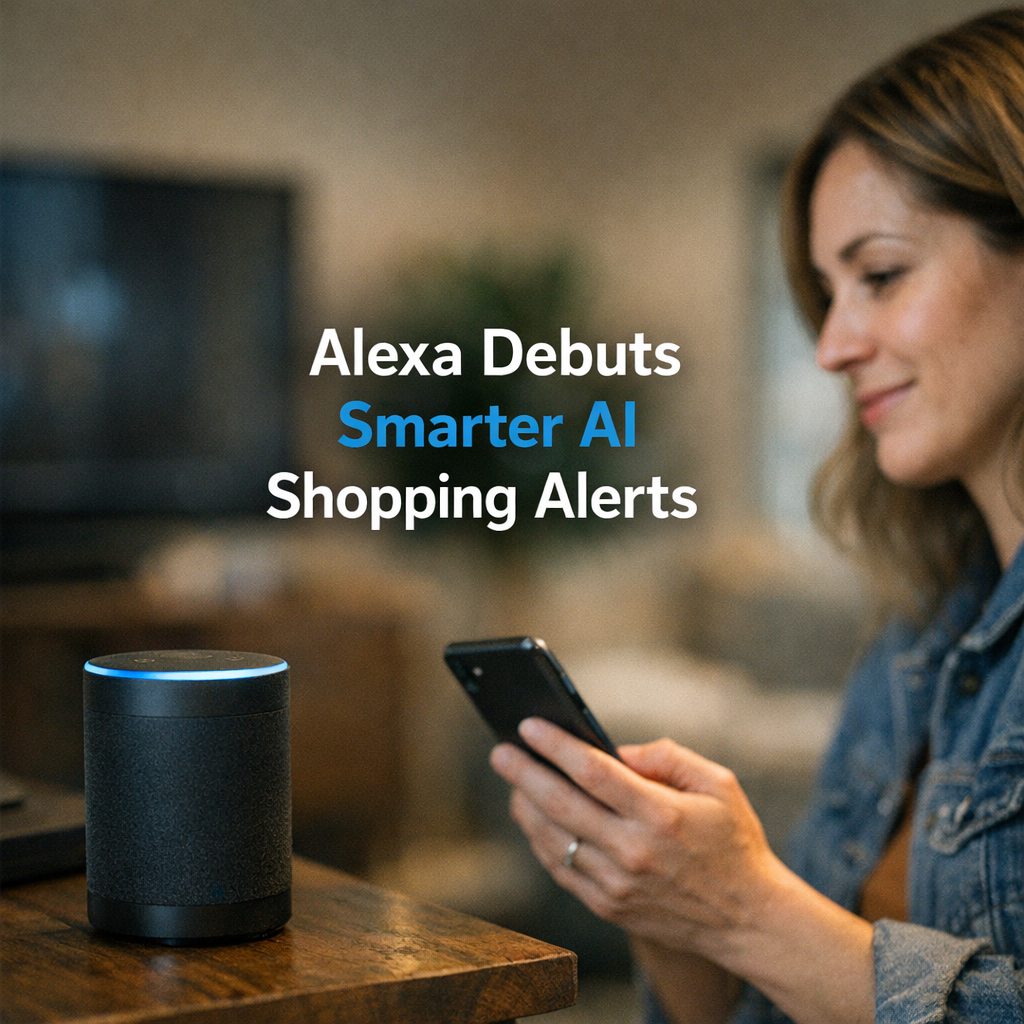
Google has unveiled the integration of its Gemini AI model into next-generation smart home speakers, marking a pivotal shift in how people interact with household devices. As large language models (LLMs) continue transforming generative AI applications, this development directly targets the intersection of natural language understanding, smart home automation, and personalized digital assistants.
- Gemini LLM integration is set to redefine smart speaker interactions.
- Advanced AI moves Google ahead in the race against Amazon and Apple in the home assistant market.
- New developer tools and APIs will enable richer AI-driven device ecosystems.
- Key privacy and data-handling improvements could affect consumer trust and adoption rates.
Key Takeaways
Gemini Brings Smarter Conversations to the Connected Home
Google’s Gemini model aims to go well beyond basic voice command execution, turning smart speakers into context-aware assistants capable of nuanced, multi-turn conversations. Unlike previous generations, Gemini can interpret follow-up questions, preferences, and even ambiguous queries with increased accuracy.
Personal assistants powered by Gemini will anticipate user intent—not just react to commands—reshaping daily routines in AI-powered homes.
API & Developer Opportunities Multiply
At launch, Google is rolling out a comprehensive developer toolkit and updated APIs, enabling creators to build new routines, plugins, and services powered directly by Gemini. This opens the door for startups and IoT manufacturers to craft smarter, more personalized device interactions. For developers, Google promises streamlined integration with tools already in the Home developer platform, extending Gemini’s contextual reasoning to third-party devices.
Gemini’s APIs could become the new backbone for innovation across the smart device ecosystem, incentivizing developers to push the boundaries of AI-driven home automation.
Edge in the Smart Home AI Race
With this move, Google escalates competition with Amazon’s Alexa and Apple’s HomePod by promising tangible leaps in conversational AI for home environments. The renewed focus on privacy, on-device processing, and federated learning helps address consumer wariness about always-listening assistants. Analysts suggest that deeper integration of generative AI into the home space could drive mass adoption, provided privacy and security win sufficient trust.
The race to dominate home AI hinges on balancing proactive intelligence with transparent privacy safeguards.
Real-World Applications & Future Roadmap
Early demonstrations show Gemini enabling advanced scheduling, dynamic reminders, tailored media control, and energy-saving automations that learn from user behavior over time. Enhanced interoperability, driven by the new Matter standard, will likely boost cross-brand compatibility for Gemini-powered routines.
For startups and established device makers, Gemini’s arrival offers both the challenge and opportunity of differentiating their products in a rapidly shifting landscape. Closely monitoring how Google handles privacy, data retention, and real-world assistant failures will be essential for those betting on generative AI in the smart home space.
The fusion of advanced LLMs with everyday devices will set new benchmarks for intelligence and usability in next-gen smart homes.
Implications for AI Professionals & Industry Innovators
Gemini’s launch signals that advanced generative AI will soon be a baseline expectation for digital assistants. AI professionals and product teams must now design for deeper context, continual learning, and seamless privacy controls. The shift also demands new approaches to edge computing, federated data handling, and multimodal AI experiences.
Industry watchers can expect a surge of new open-source plugins, custom models, and third-party integrations over the coming year. This wave of innovation, catalyzed by Gemini’s entry into mainstream consumer tech, will likely lead to smarter, more adaptive devices in homes worldwide.
Source: TechCrunch