As generative AI adoption accelerates, tech giants Amazon and Google are leading the AI infrastructure investment race. Their aggressive capital expenditures (capex) are reshaping the competitive landscape and raising important questions for startups, developers, and the wider AI ecosystem. Understanding the strategic value behind these investments helps stakeholders adapt and thrive.
Key Takeaways
- Amazon and Google are outspending competitors in AI capex, focusing on data centers, GPUs, and proprietary infrastructure.
- Massive investments provide these firms with the scale and resources to support state-of-the-art AI, including large language models (LLMs) and generative AI services.
- Smaller companies and independent developers face growing dependencies on big clouds, shaping innovation and market access.
- Moving AI workloads to specialized, in-house infrastructure can deliver competitive advantages in speed, customization, and cost.
- Open-source AI tools and multi-cloud strategies are emerging as critical responses for those wary of vendor lock-in.
A New Era of AI Infrastructure Competition
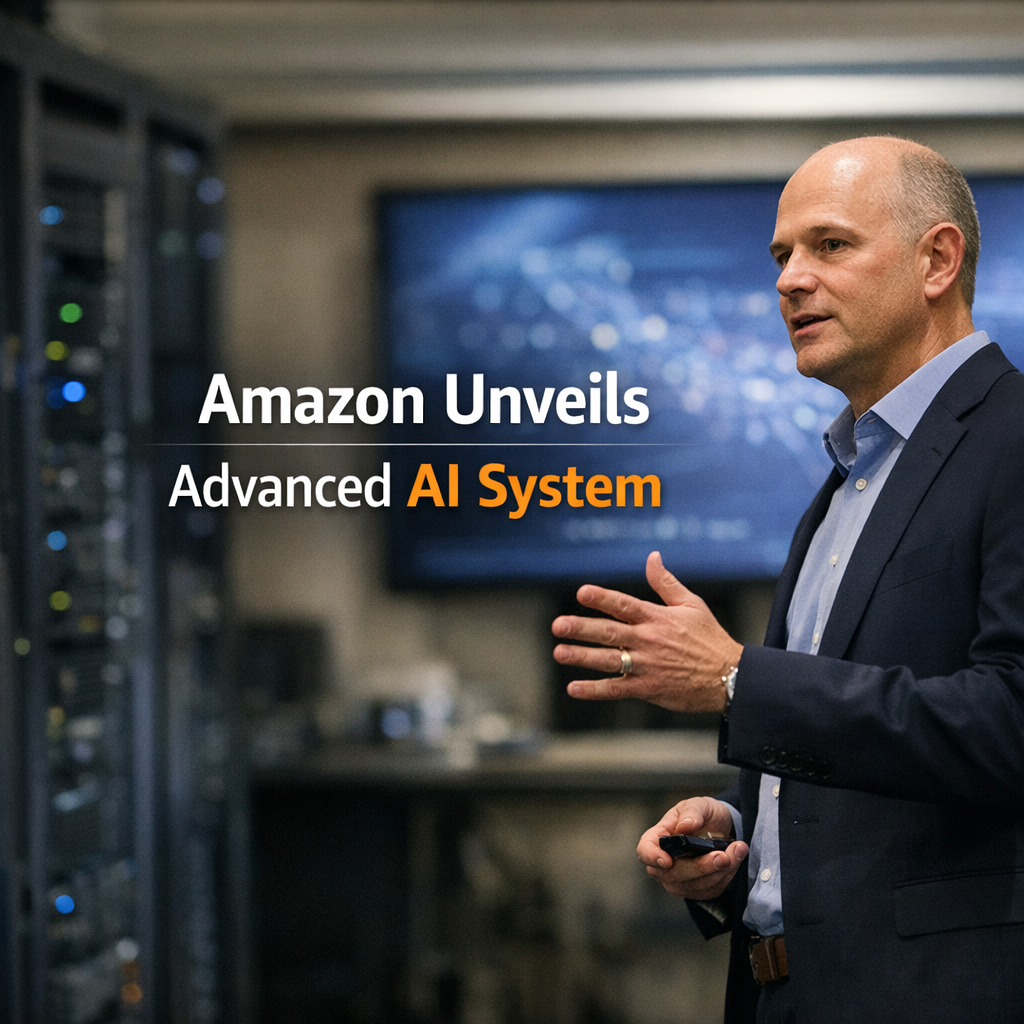
Amazon and Google are setting the pace with record-breaking investments in AI infrastructure, as detailed by TechCrunch and echoed across multiple industry analyses. Amazon’s latest earnings update reveals surging capital expenses, with a significant focus on boosting Amazon Web Services (AWS) for scalable AI training and inference. Google, in parallel, is advancing Tensor Processing Unit (TPU) deployments and expanding global data centers to fuel Google Cloud AI offerings.
The AI capex race is not just about owning more compute—it’s about shaping who controls the backbone of generative AI innovation.
Industry analysts from The Information and Reuters emphasize that these investments far outpace those from Microsoft, Meta, and other contenders. Sources cite double-digit billion-dollar annual spends, with AI compute, storage, and proprietary chips at the core. Amazon aims to make AWS the most AI-ready platform globally, while Google doubles down on integration across search, workspace, and cloud APIs.
Implications for Developers and Startups
The sheer scale of infrastructure now required for advanced AI models means smaller firms must leverage public cloud ecosystems or managed AI services rather than running workloads on-premises. This dependence offers extensive access to tools and compute, but it also introduces several risks:
- Innovation gating: Proprietary infrastructure choices by cloud giants may limit the flexibility or availability of the latest generative AI model architectures to third-parties.
- Vendor lock-in: Building on giant AI stacks can entrench startups in a single provider’s ecosystem, complicating migration and interoperability.
- Cost and performance pressures: As the cost of AI compute climbs, especially when training large language models, only those with access to high-end cloud resources can effectively compete at the cutting edge.
Developers and startups that rely solely on third-party AI clouds may trade rapid go-to-market access for long-term agility and differentiation.
Strategies for AI Resilience
Leading voices, including those from Redpoint Ventures and Andreessen Horowitz, recommend that startups consider multi-cloud approaches and evaluate open-source AI frameworks like Llama, Falcon, or Mistral to mitigate dependence. Hybrid setups leveraging both public clouds and private hardware (for cost-sensitive or proprietary workloads) are gaining traction as realistic alternatives.
Meanwhile, the rise of open-weight LLMs and new frameworks for model interoperability (such as ONNX) are giving developers paths to balance cloud-scale performance with independence and cost control.
The Broader Ecosystem Impact
As Amazon and Google sprint ahead in capex, the broader AI ecosystem must adapt. The outcome could be a bifurcated landscape: one dominated by mega-clouds operating proprietary AI foundations, and another powered by collaborative, open-source communities building flexible, distributed solutions.
The AI capex arms race will influence which tools, models, and platforms define the next wave of generative AI breakthroughs.
Developers, researchers, and organizations that proactively strategize for resilience—through open technology, multi-vendor options, and careful cost engineering—will be best positioned to harness AI’s promise amid intensifying cloud concentration.
Source: TechCrunch