- Mark Cuban recommends tech professionals focus on small businesses to leverage AI-driven growth.
- Generative AI, especially LLMs, are transforming business operations and creating unique opportunities for automation.
- Startups and AI developers can achieve high impact by building tools for the underserved SMB (small and medium business) sector.
- Experts warn of rapid skill shifts and urge adaptation as generative AI replaces repetitive knowledge work.
- Competition from Big Tech will intensify, but nimble teams and fresh problem solving will be key advantages.
Artificial intelligence has rapidly advanced beyond experimental prototypes; it’s now mainstream in businesses of all sizes. Tech leaders like Mark Cuban highlight a pivotal shift: the real AI gold rush isn’t in enterprise giants, but in helping small businesses successfully harness generative AI. With LLMs redefining routine work and productivity, the AI ecosystem faces new challenges and unprecedented opportunities.
Key Takeaways on the AI-SMB Convergence
“Small businesses are the fastest route to AI-driven value creation now.”
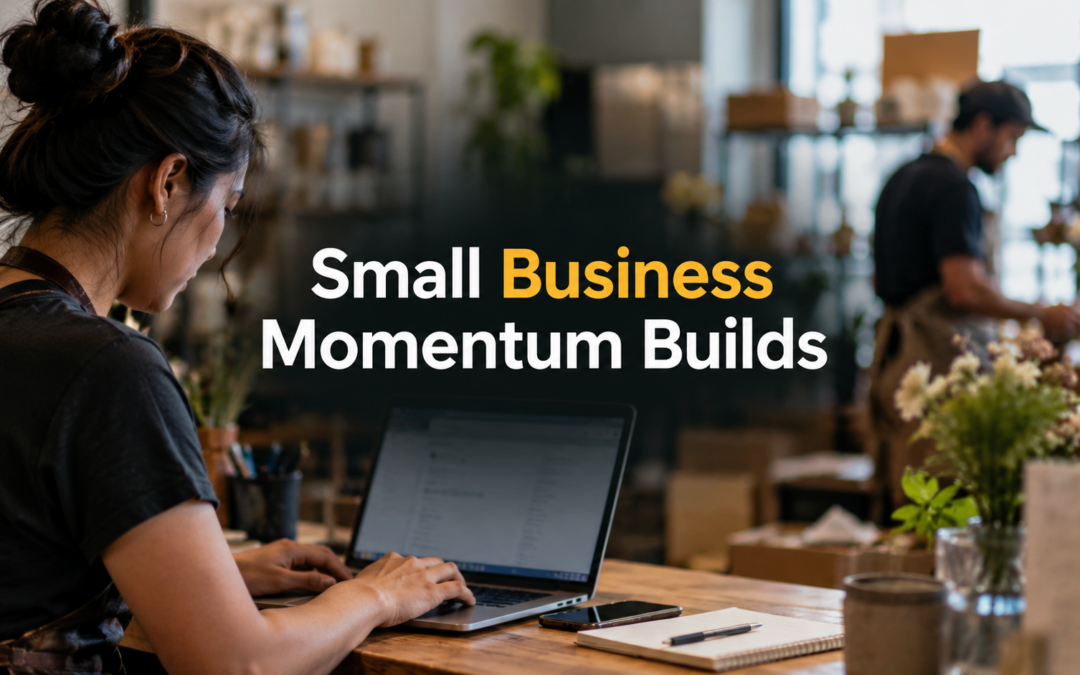
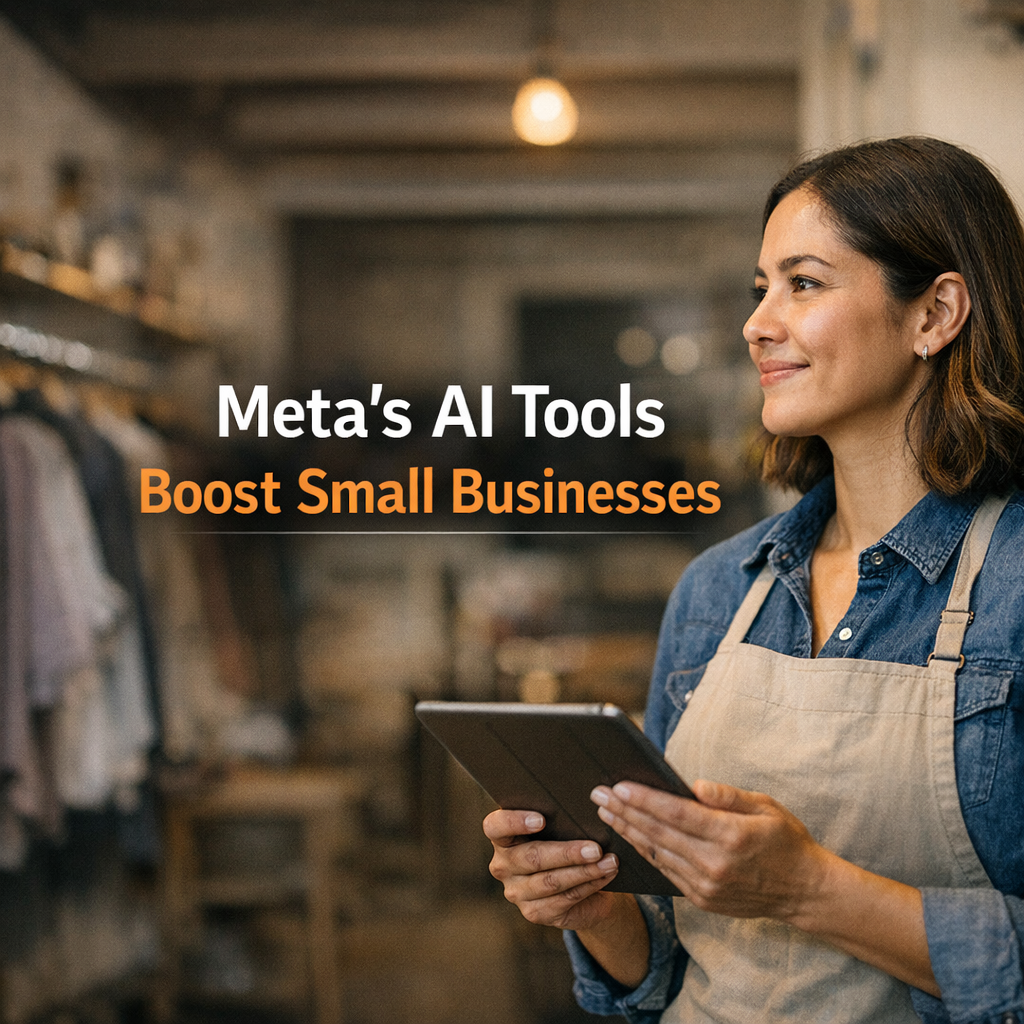
Cuban, speaking with Business Insider and echoed by CNBC and Fortune, stresses that large corporations will always compete using scale and internal AI investments. However, the overlooked segment—millions of small and medium businesses—lacks the internal resources to adopt AI at speed. This opens a massive market for startups, developers, and AI professionals to build niche solutions with tangible ROI.
Implications for Developers and AI Startups
“The next wave of generative AI innovation will serve vertical-specific pain points for SMBs.”
Most small businesses don’t have in-house data scientists or engineering teams. Cuban strongly advises software professionals to study and solve real-world pain points faced by small enterprises—such as automating inventory, managing customer support with conversational AI, or personalizing marketing at scale. AI-enabled tools focused on easy integration and immediate outcomes hold outsize promise.
According to recent Forbes and CNBC coverage, SMBs adopting generative AI report improvements in efficiency, fewer manual errors, and more agile operations—often with minimal technical onboarding. This presents a unique window: unlike saturated B2B enterprise software, AI-infused SaaS for SMBs still faces low competition and high demand.
What This Means for AI Professionals
- Skill agility is non-negotiable: As generative AI automates more cognitive tasks, continual learning is essential. Cuban and other experts encourage upskilling in prompt engineering, API integration, and vertical-specific AI applications.
- Interdisciplinary teams win: The SMB sector needs easy-to-use tools, not complex platforms. Teams combining UX design, AI engineering, and industry knowledge will dominate.
- Partnerships over scale: Rather than aiming for massive growth out of the gate, AI startups should partner with niche SMBs, rapidly iterate, and show clear performance improvements.
Adapting to an AI-First Job Market
“AI is already changing roles within months, not years.”
Small business owners and tech professionals alike must prepare for rapid change. Jobs centered on repetitive knowledge work risk automation, prompting urgent reskilling. However, the rush to AI has also sparked demand for experts who can integrate AI into real-world workflows, design smart automations, and support ongoing optimization.
For developers and AI practitioners, now is the ideal moment to build reputation and product-market fit in the SMB landscape—before enterprise AI spending cycles saturate the market.
Conclusion
AI and LLMs have democratized advanced technology for businesses of all sizes. Mark Cuban’s advice captures the urgency and the lucrative upside: those who help small businesses unlock generative AI will define the next chapter of tech innovation. Developers, startups, and tech leaders should plug into the SMB economy and build the tools that bring lasting value to main street, not just Wall Street.
“Don’t chase yesterday’s enterprise AI jobs—create tomorrow’s AI-powered small business solutions.”
Source: Business Insider