- AI music startups Suno and Udio are under intense scrutiny and legal threats from the music industry.
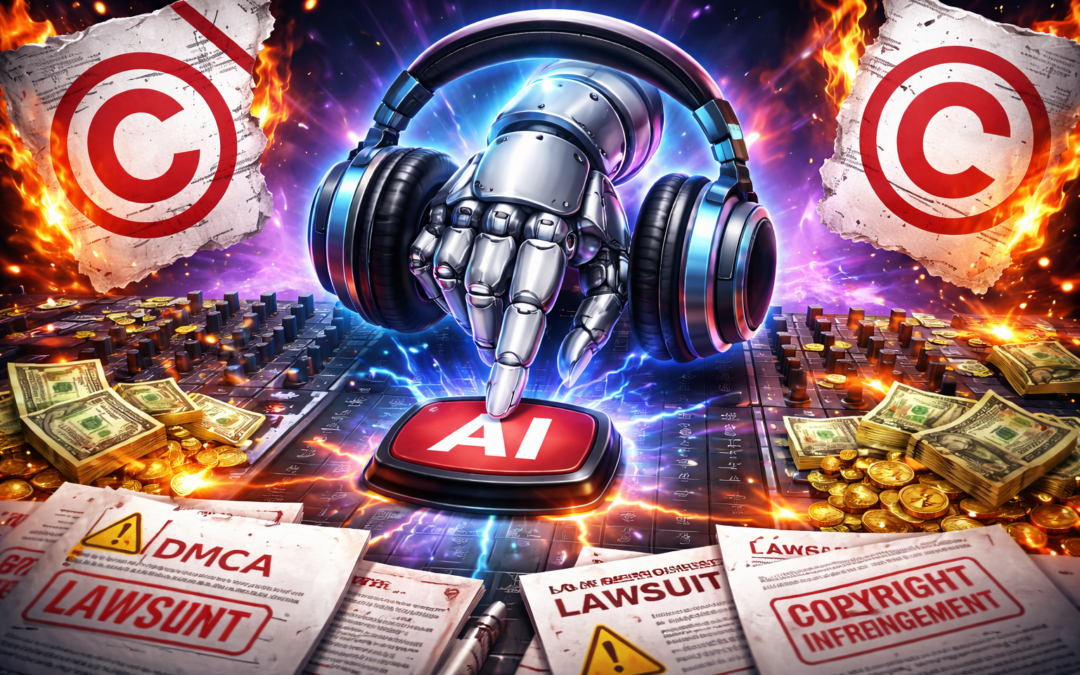
- Record labels argue that AI-generated music trained on copyrighted songs could threaten artist rights and royalties.
- The growth of generative AI tools in music creation is accelerating, offering new opportunities but also raising ethical and legal concerns.
Generative AI has disrupted multiple industries, and the music sector now sits at the center of heated debate. Rapid innovation by startups like Suno and Udio is giving everyone the power to create studio-quality tracks at the click of a button. However, this progress has triggered a backlash from record labels and artists who fear the erosion of intellectual property rights. This high-stakes clash previews major regulatory and business decisions that will shape the future of creative AI tools.
Key Takeaways
- Suno and Udio enable users to create AI-generated songs that mimic popular genres and vocal styles.
- Major music labels claim that these AI models have been trained on copyrighted materials, violating fair use and challenging existing licensing frameworks.
- The outcome of ongoing legal and public battles will set crucial precedents for generative AI in music and beyond.
AI Music Startups Face Legal Firestorm
Record labels have swiftly condemned AI music generators, filing lawsuits and issuing public warnings about copyright infringement. According to a TechCrunch deep dive, Suno and Udio leverage vast datasets—some of which reportedly include popular songs, though the startups have not fully disclosed their training corpus. The Recording Industry Association of America (RIAA) and major publishers argue that AI firms have illicitly scraped music catalogs without proper authorization, likening the practice to the notorious early days of file sharing.
Legal action filed in recent months cites both copyright law and moral rights, asserting that AI models imitating real artists could undermine the creative economy if unchecked. The Financial Times and Billboard both report that some industry experts view these cases as defining moments for how AI-driven content interacts with legacy intellectual property laws.
What Developers and Startups Need to Know
This controversy illustrates critical issues for anyone building or deploying AI music solutions:
- Source and transparency matter. Developers must document training data provenance to avoid future litigation and maintain user trust.
- Clear licensing agreements are no longer optional—partnerships with rights holders could accelerate market acceptance and limit exposure.
- Creative AI teams should anticipate increasing regulation and the need for content-filtering mechanisms, as outlined in recent guidance from industry lawyers and AI policy advocates.
For AI professionals, the stakes extend to other fields where generative models use proprietary or sensitive data. Precedents set in music will likely influence rulings in art, video, and text synthesis.
Implications for the Future of Generative AI in Music
Consumers are eager for AI-powered audio tools that democratize music production and spark creativity. Still, industry backlash puts the entire market at risk of restrictive policies if startups sidestep fair use boundaries. Companies that succeed will balance technological leadership with legal and ethical best practices.
The evolving legal landscape means developers and founders must proactively address copyright, IP, and deepfake concerns—not simply react to lawsuits once products are live.
Long-term, collaboration between AI innovators and music rightsholders could produce new licensing models and shared revenue opportunities. In the near term, expect more lawsuits, vigorous debate, and careful risk assessment by anyone building AI-powered creative platforms.
Source: National Today