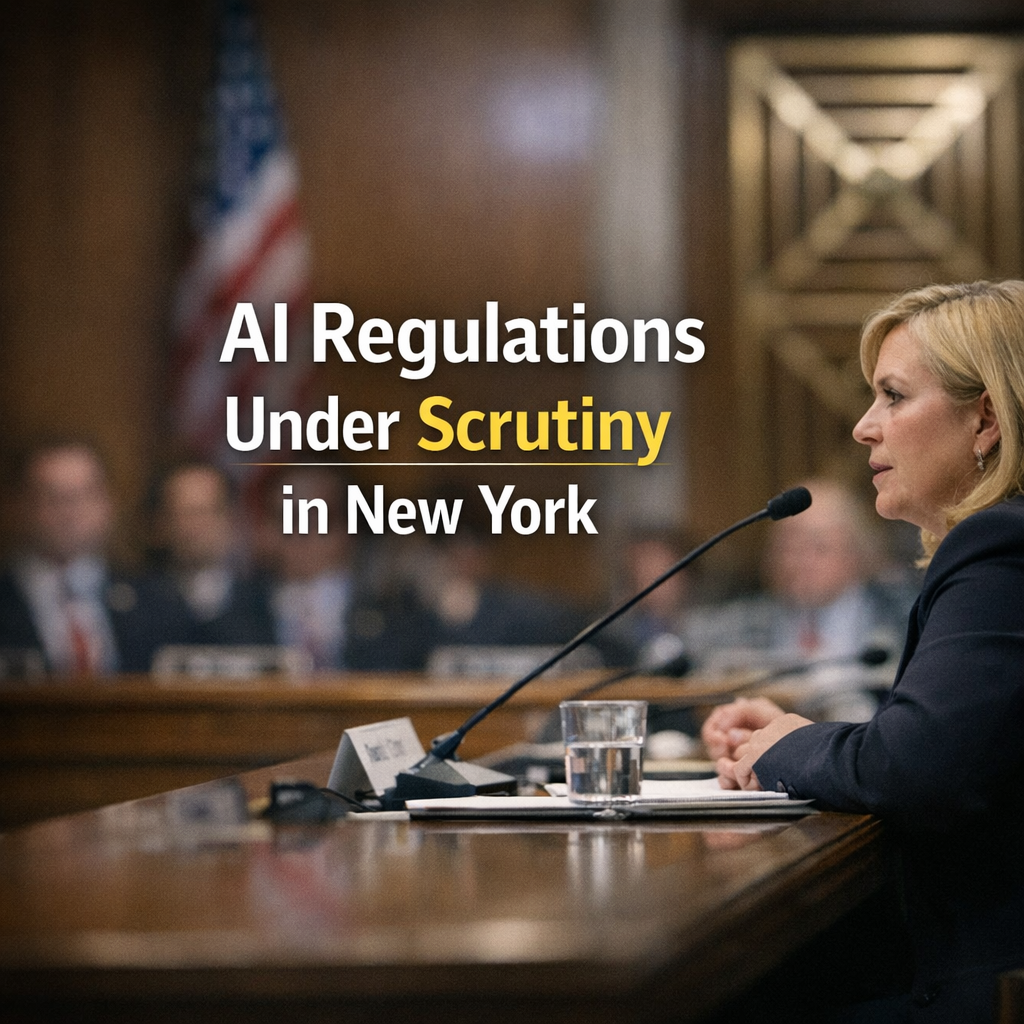
OpenAI’s recent Department of Defense partnership sparked a massive rise in ChatGPT uninstalls. The event highlights growing privacy and ethical concerns around generative AI, especially as government involvement increases. Developers, startups, and AI professionals must now navigate shifting user trust as LLM integrations expand across enterprise and public sector landscapes.
Key Takeaways
- ChatGPT saw a 295% spike in uninstalls following OpenAI’s Defense Department deal.
- Trust, privacy, and ethics have surfaced as critical issues amid government-AI collaborations.
- Developers and startups face rising demand for transparent AI models and data security assurances.
- Rivals like Anthropic and Google see user migrations as ChatGPT fallout grows.
Unpacking the Surge in ChatGPT Uninstalls
According to recent TechCrunch reporting and further coverage from outlets like Business Insider and The Verge, OpenAI’s announcement of a Defense Department contract triggered a steeply negative user response. Mobile analytics confirmed a near-300% surge in ChatGPT app uninstalls, representing a “clear backlash over perceived government access to sensitive AI data.”
OpenAI’s government partnership has become a flashpoint for public concerns over AI alignment, accountability, and user privacy.
Implications for AI Developers and Startups
This event sends a strong market signal: transparency and user trust drive adoption and retention as much as technical prowess. As more governments pilot large-scale AI, successful startups must proactively surface model explainability, reinforce privacy policies, and enable enterprise-customizable controls.
The user exodus from ChatGPT may boost demand for “whitelabel” LLMs and open-source alternatives that empower organizations to retain full data sovereignty.
Competitive vendors like Anthropic and Google Gemini already report upticks in interest from privacy-first businesses and developers requiring assurance on data residency and usage.
Rising Importance of AI Ethics and Governance
As AI platforms mature, deployment in public sector and defense scenarios raises urgent questions: How are these models audited? What guardrails prevent misuse or bias? Developers should advocate for clear lines between civilian and government AI, robust auditing, and third-party certifications.
Building trust will require ongoing investment in explainable AI, transparent disclosures, and independent oversight.
Forward-Looking Considerations
User behaviors indicate a growing skepticism of tightly-coupled government-AI relationships. Developers must prepare to answer pointed questions on data usage, prompt injection risks, and long-term consent.
Startups competing in the generative AI space need to invest as much in policy and robust privacy controls as in model performance. Clear communication becomes a differentiator—not just features or speed.
Source: TechCrunch