Generative AI continues to disrupt creative industries, but financial fallout from copyright battles is accelerating. Recent pushback by authors over a major Anthropic settlement signals deepening rifts between creators, publishers, and tech firms. As LLMs reshape the boundaries of content ownership, the balance of compensation and control over training data stands at a critical crossroads for startups, developers, and established platforms alike.
- Authors fiercely challenge publishers and agents staking claim to AI copyright settlements money
- The Anthropic agreement spotlights unresolved tensions over LLM training on copyrighted works
- Developers and AI companies face growing uncertainty around licensing, compensation, and data use frameworks
- Ripple effects may influence future contracts, revenue splits, and even LLM architectural choices
Key Takeaways
The pushback against publishers and agents seeking a share of generative AI settlement funds reflects a larger debate about the value and ownership of training data. Financial stakes are high as AI models draw on vast troves of copyrighted material, fueling demands for clearer compensation structures. The dispute highlights the need for new legal and business frameworks that can keep pace with generative AI innovation.
The scramble for settlement payouts reveals how unresolved copyright issues could fragment creative and tech alliances—and reshape the economics of LLM training.
Authors Draw a Line: Defending Their Cut
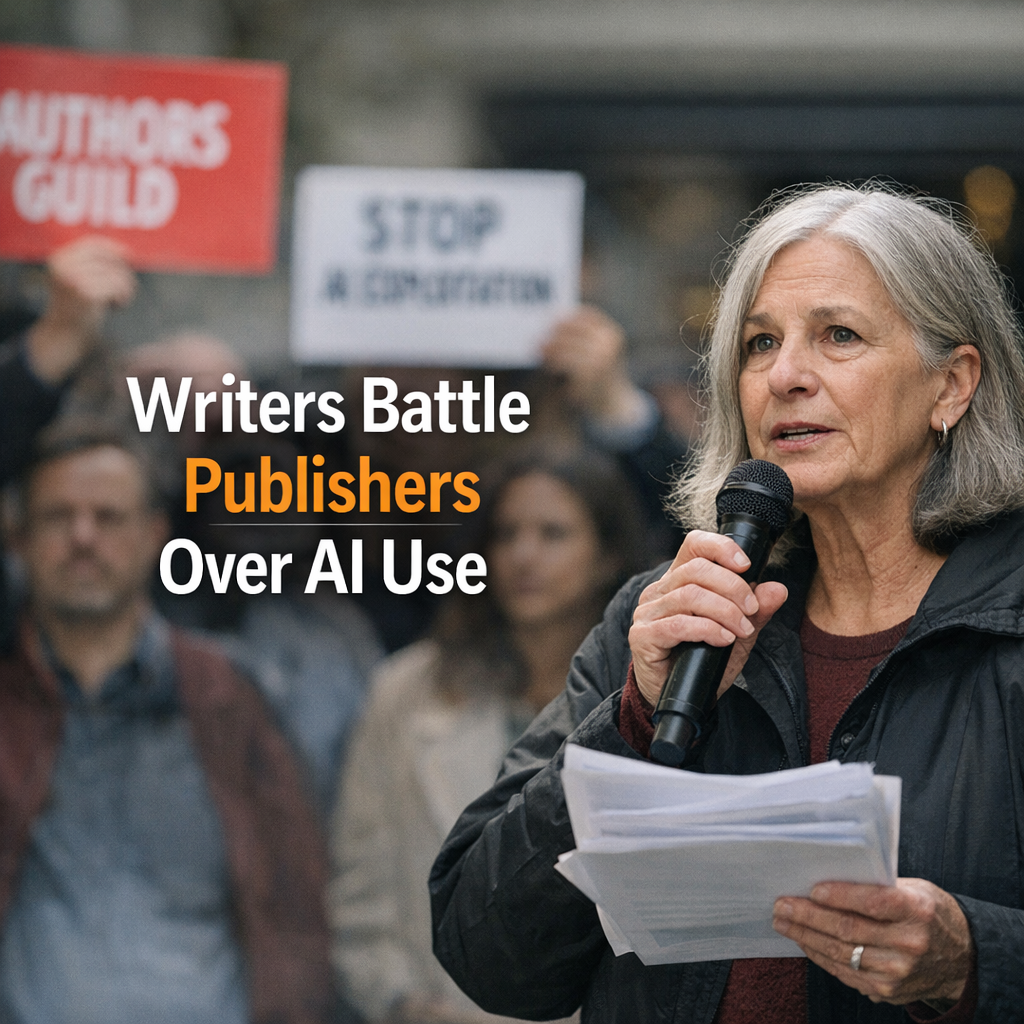
As news emerged about a reportedly eight-figure Anthropic settlement with leading publishers, authors responded with frustration. Many claim publishers and agents, rather than individual writers, are attempting to claim a lion’s share of potential proceeds from AI copyright deals. This dispute echoes the Authors Guild’s public stance: that creators, not intermediaries, deserve primary compensation for the use of their work in AI training. Similar disputes have played out with other tech giants, from OpenAI to Meta, highlighting widespread concerns about equitable payment and attribution.
Control over AI-generated value—and who cashes in—now pits the traditional literary world against the companies that licensed their works.
The Anthropic Precedent: Implications for AI Licensing
The Anthropic settlement stands out because of both its scale and timing. As generative AI companies race to lock down data sources for model improvement, they increasingly face lawsuits and scrutiny over training on copyrighted books and articles. Anthropic, operator of the Claude LLM, allegedly used vast quantities of published material, drawing legal fire from the New York Times, major book publishers, and others.
This deal may set the blueprint for future licensing negotiations. If publishers receive the bulk of the payment, authors worry about being bypassed—or given token compensation. Conversely, if authors succeed in demanding a larger share, AI companies face higher costs and complex contract negotiations, potentially slowing access to high-quality data pipelines.
“AI startups must now navigate a minefield of rights ownership, as payout precedents will shape future access to premium datasets.”
Startup Playbook: Data Acquisition Grows Riskier
For startups developing LLMs or generative AI tools, the shifting landscape presents new hazards. The days of scraping Internet-scale data with impunity are gone. Companies must invest in legal vetting, licensing agreements, and possible royalty payments. This trend affects smaller AI developers disproportionately, as large incumbents can negotiate bulk deals or afford settlements. In the meantime, open source and synthetic data-generation methods attract more attention—but may offer less diversity or quality compared to copyrighted corpora.
OpenAI, Google, and Meta have already faced multi-million-dollar legal claims for using protected writing in their models. Recent settlements suggest that cost structures and business plans for AI startups will need to account for regular payouts or revenue shares with rights holders.
Securing training data no longer means finding a source—it means surviving a negotiation battlefield where ownership and value are fiercely contested.
Impact on Developers, Contracts, and LLM Workflows
For developers and product teams, these copyright clashes will ripple through every project phase. New licensing frameworks may impose technical restrictions, such as “book-free” datasets or contractual data silos. Legal reviews will become routine. For platforms deploying LLMs, the fine print of content provenance and contract clauses will shape what data can be used—and which models get commercialized fastest.
Some publishers now require AI companies to share usage data or to create “clean” datasets excluding their catalogs. Developers may need to rearchitect workflows to ensure compliance, retard retraining, or even revisit which open source or commercially available datasets to trust.
Copyright wars now flow downstream, rewriting the standard toolkit for developers eager to harness the power of LLMs.
The Road Ahead: Toward Sustainable AI Content Economics
As this clash escalates, both creative professionals and AI companies must accept that old models of data access no longer suffice. Durable frameworks for compensation, transparency, and consent will be critical to foster innovation without alienating content creators. Those who build AI systems—or supply their raw materials—face a future where data means power, but only with mutual recognition of its provenance and worth.
Source: TechCrunch