The landscape for small businesses is rapidly evolving, with artificial intelligence, digital tools, and automation driving major changes in how entrepreneurs start, run, and grow their ventures. Key developments in generative AI, remote collaboration technologies, and affordable software-powered solutions now empower even micro-sized teams to compete with established companies, shifting the business playbook for the tech-savvy.
- AI-driven tools are redefining productivity and cost structures in small business operations
- Remote work infrastructure is solidifying as standard practice, not a temporary fix
- Demand for tech skills and digital literacy continues to surge among small business owners
- Future-ready firms are integrating automation and cloud software for scalable growth
Key Takeaways
AI Tools Become Essential for Small Businesses
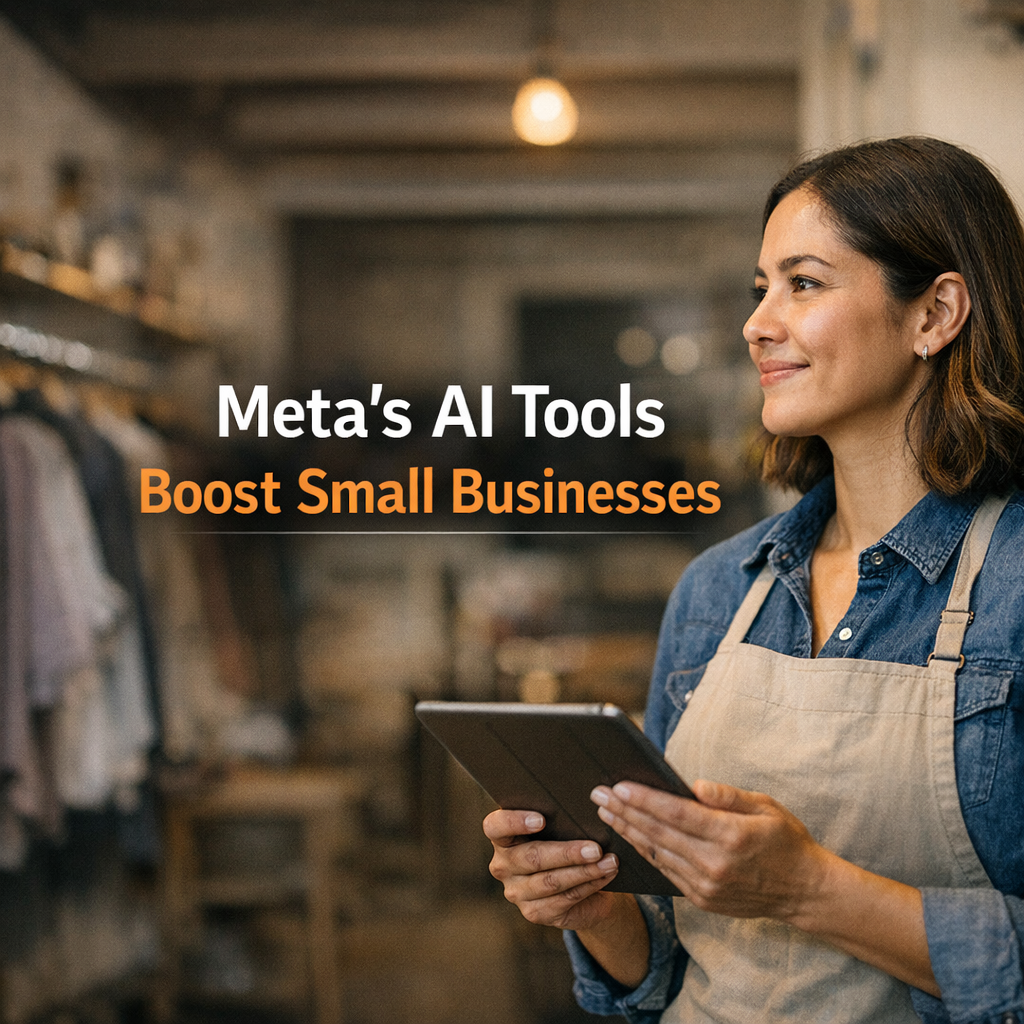
Artificial intelligence no longer remains exclusive to large enterprises. Startups and local companies now rely on AI — from language models for marketing copy to automation bots that handle customer support. By implementing AI in daily workflows, small teams achieve levels of productivity and personalization previously out of reach.
AI-powered platforms now let small businesses punch far above their weight, making advanced analytics and automatic content generation accessible with minimal upfront costs.
Remote-First Mindset Reshapes Work Culture
Distributed teams and cloud-based collaboration define the modern work environment. Hybrid structures allow founders to hire worldwide, balancing local connections with global reach. This trend fuels demand for project management platforms, virtual meeting solutions, and secure file-sharing services built for the flexible work era.
Adopting remote-first practices has shifted the focus from location to output, opening new pathways for talent sourcing and business agility.
Automation Levels the Playing Field
Small business owners are turning to cloud-based automation to streamline operations and cut labor-intensive tasks. Typical use cases include invoice management, sales outreach, and support ticket routing. These tools help teams stay lean while maintaining competitive service quality.
Workflow automation isn’t just a luxury—it’s a survival tactic for small businesses aiming to scale fast without compromising consistency.
Growing Demand for Tech Fluency
Small businesses increasingly value employees with AI literacy, data analysis skills, and comfort using digital platforms. Training and upskilling initiatives are gaining ground as owners invest in developing tech-savvy teams instead of relying solely on outside consultants or agencies.
Digital know-how now serves as one of the most valuable currencies in small business success, driving companies to prioritize continuous learning.
Implications for Developers, Startups, and AI Professionals
The surge in AI adoption among small businesses presents fresh opportunities for developers building SaaS applications, prompt engineering solutions for large language models, or customizable AI workflows tailored to niche industries. Startups should look to serve microbusinesses with modular, easy-to-integrate tools that address core business functions like sales, HR, and customer engagement.
For AI professionals, demand is climbing for expertise in deploying and managing generative AI, as well as for designing ethical automation systems. Providers who bridge the knowledge gap by offering AI onboarding, staff training, and trusted support stand to benefit as small companies accelerate digital transformation efforts.
In the coming year, expect to see further integration of AI into daily business operations, with a premium on user-friendly interfaces, workflow interoperability, and solutions that deliver tangible outcomes without complex implementation processes.
Looking Ahead: Small Business, Big Potential
As artificial intelligence, automation, and digital skills become foundational to success, small businesses that adapt quickly will unlock new levels of growth and resilience. The democratization of AI and cloud technology is set to empower a new generation of agile entrepreneurs, shaping the next era of innovation and competition.
Source: Upwork