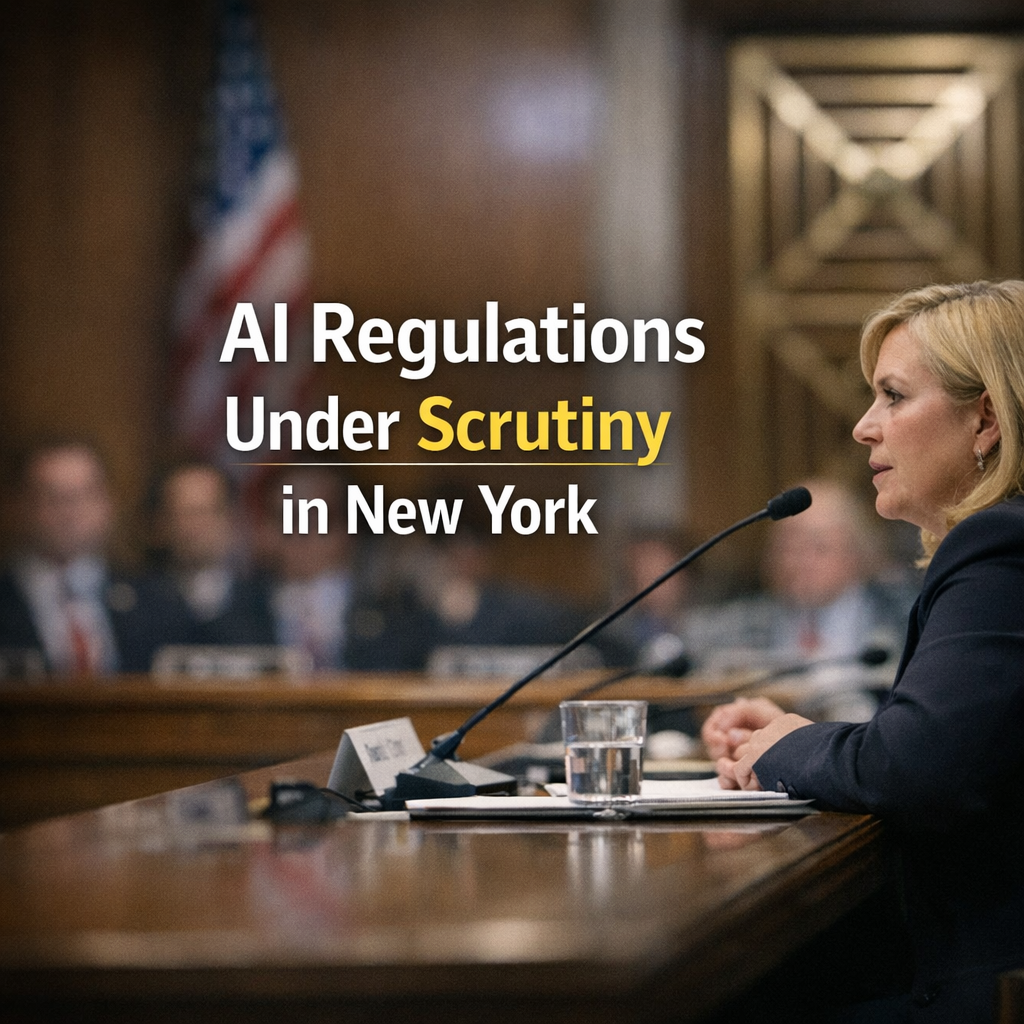
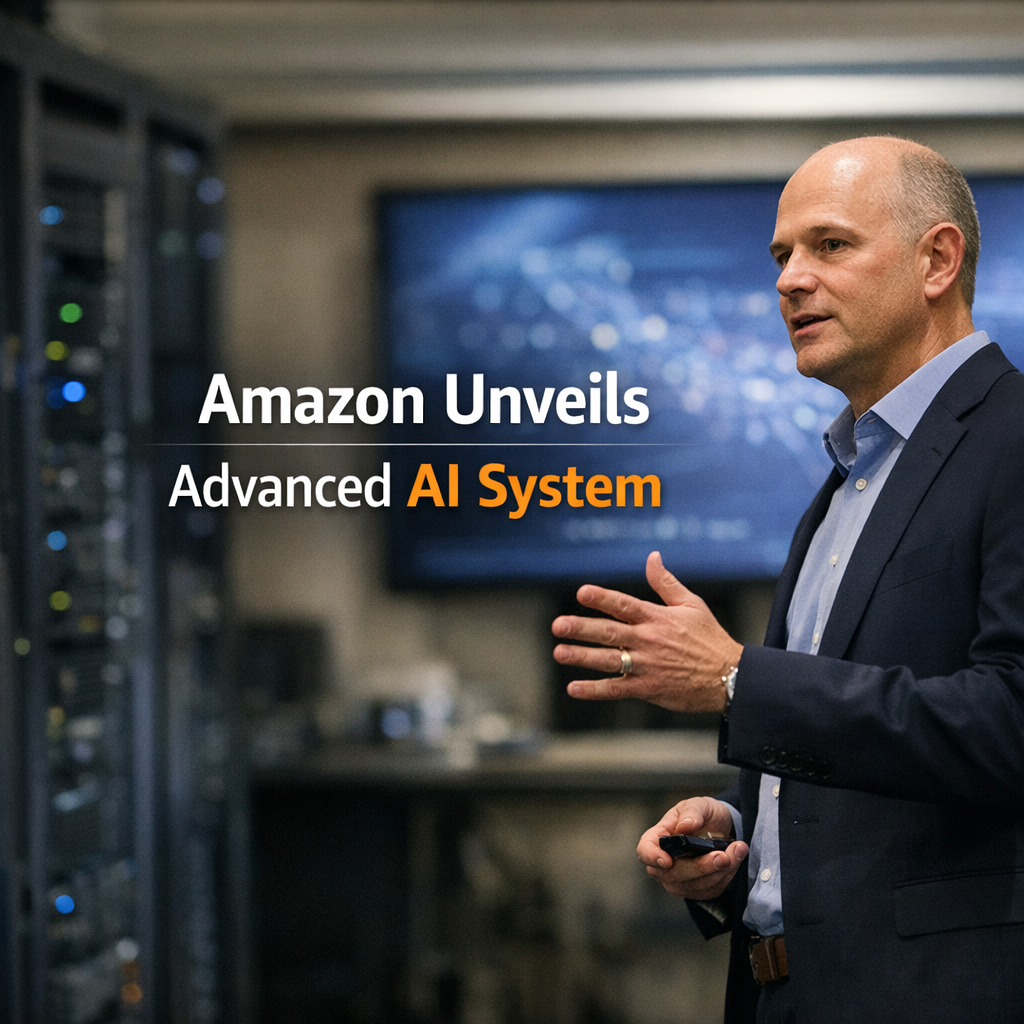
Anthropic and OpenAI both announced new joint ventures targeting enterprise AI services, escalating competition for business-focused generative AI tools. These launches mark a significant strategic shift as large language model (LLM) companies look to capture business value beyond consumer tools. Recent reports from multiple outlets confirm major partnerships, enhanced compliance, and vertical-specific solutions are central to these new enterprise offerings.
Key Takeaways
- Anthropic and OpenAI jointly launched enterprise-focused ventures with major industry partners.
- Both are targeting secure, compliant generative AI platforms tailored to regulated sectors.
- Startups and developers now face new integration standards as foundational models shift toward business-grade APIs.
- Adoption of AI in the enterprise is accelerating as vendors bring specialized governance and deployment stacks.
- Strategic partnerships will drive the next wave of real-world generative AI applications in business.
Enterprise AI Joint Ventures: The Next Evolution
Anthropic and OpenAI each revealed new alliances in early May, aligning with leading technology and consulting firms to deliver enterprise AI at scale (TechCrunch). OpenAI’s deal involves a joint venture with PwC, which will see the consulting giant leverage GPT-4 and future models to provide business clients with proprietary LLM deployments. In parallel, Anthropic announced partnerships with SAP and Accenture to create domain-specific Claude-powered AI services for finance, healthcare, and logistics companies.
“Major LLM vendors are now focusing as much on governance, security, and compliance as pure model performance, fundamentally changing expectations around how generative AI integrates into critical business operations.”
Implications for Developers, Startups, and AI Professionals
Developers and AI architects will have to adapt quickly as OpenAI and Anthropic move away from generic APIs toward enterprise-ready, managed AI stacks. These joint ventures emphasize auditability, cloud security, and vertical solutions, establishing higher benchmarks for regulatory compliance. Startups aiming to build on these platforms must now anticipate not only technical updates but also evolving documentation for sector-specific legal and ethical guidance (see recent coverage in Reuters and The Wall Street Journal).
“The bar for enterprise AI integration just rose: AI professionals and startup founders must demonstrate robust compliance and end-to-end security when building for regulated industries.”
Why These Moves Are a Big Deal
The precedents set by Anthropic and OpenAI are likely to influence developer roadmaps and startup strategies:
- Deep industry partnerships: By embedding with consulting giants and ERP leaders, LLM providers position themselves inside existing enterprise IT workflows and decision frameworks.
- Toolkits for real-world use: Compliance, deployment, and monitoring stacks will accelerate safe and responsible AI adoption beyond pilot projects.
- Competitive moat: Major LLM vendors are now sweeping up business footprints, raising the stakes for open-source and smaller commercial models to demonstrate comparable enterprise readiness.
What’s Next?
Expect rapid productization around use-case-specific generative AI solutions, particularly for finance, insurance, healthcare, and supply chains. This will likely foster the next big ecosystem wave: smart business workflows, API marketplaces, and consulting-led AI integration services.
“Enterprises seeking to unlock generative AI value must now prioritize platforms that combine model innovation with airtight compliance and operational transparency.”
For the latest updates, enterprise AI professionals should monitor releases from both startups and consultancies as the landscape rapidly consolidates around partnership-driven innovation.
Source: TechCrunch