Google’s latest ad safety report spotlights the evolving role of AI and large language models (LLMs) in combating online threats. As generative AI tools redefine automated ad enforcement, developers and startups face fresh regulatory, reputational, and engineering challenges in the ecosystem. Below, find the most important takeaways and deep analysis sourced from Google’s announcement and other recent coverage.
Key Takeaways
- Google blocked or removed 5.5 billion ads and suspended 12.7 million advertiser accounts in 2023, signaling a major escalation in automated ad safety.
- AI-powered enforcement is now central to detecting and blocking policy-violating ads faster and at greater scale.
- Fewer advertiser accounts received full bans—but more bad ads were caught, reducing platform-wide risk.
- Developers see broader opportunities, but also stricter requirements, as generative AI both creates and mitigates manipulation risks.
- Regulators are paying closer attention to AI-managed ad ecosystems, especially around sensitive categories such as elections and deepfakes.
AI’s Expanding Role in Ad Enforcement
Google’s 2023 Ads Safety Report highlights a shift: advanced AI techniques now underpin the majority of ad moderation. The numbers reveal this pivot. Despite banning fewer advertisers (down from 2022’s 31.7 million accounts to 12.7 million), Google intercepted a record number of malicious ads—5.5 billion, or 15 million per day—by automatically surfacing, reviewing, and removing problematic content at machine scale (Source: SERoundtable).
“LLMs and generative AI advancements now serve as both guardians and potential threats, driving a new wave of arms-race technology in the ad ecosystem.”
AI-enabled tools now spot policy-violating campaigns—including scams, fake news, and deepfakes—far more rapidly and accurately than before. Google said it doubled down on using contextual cues, behavioral signals, and LLM-driven pattern analysis, factors too complex for traditional moderation tools.
Fewer Account Bans, More Sophisticated Enforcement
The striking decline in full advertiser bans points to more surgical interventions, where Google disables individual ads or targets campaigns rather than sweeping away entire accounts. This reflects a strategic shift: with AI, enforcement becomes precise, reducing collateral damage for legitimate businesses while swarming bad actors at scale.
“Platform security is getting smarter, but so are ad fraudsters—each new AI tool is both a shield and a potential weapon.”
Implications for Developers, Startups, and AI Professionals
For AI engineers and startups, these developments mean stricter compliance regimes and more dynamic risk models. Developers integrating ad platforms must now consider AI-based risks and leverage real-time policy updates. Opportunity expands for companies specializing in AI-driven risk management—yet ethical considerations grow as generative models become capable of both defending against and creating harmful content.
For example, new Google ad verification APIs and transparency tools can help compliance professionals, but also force startups to rapidly adapt their own validation workflows. OpenAI, Meta, and others follow similar paths, indicating a sector-wide shift (AdExchanger).
Regulatory Pressures and The Generative AI Arms Race
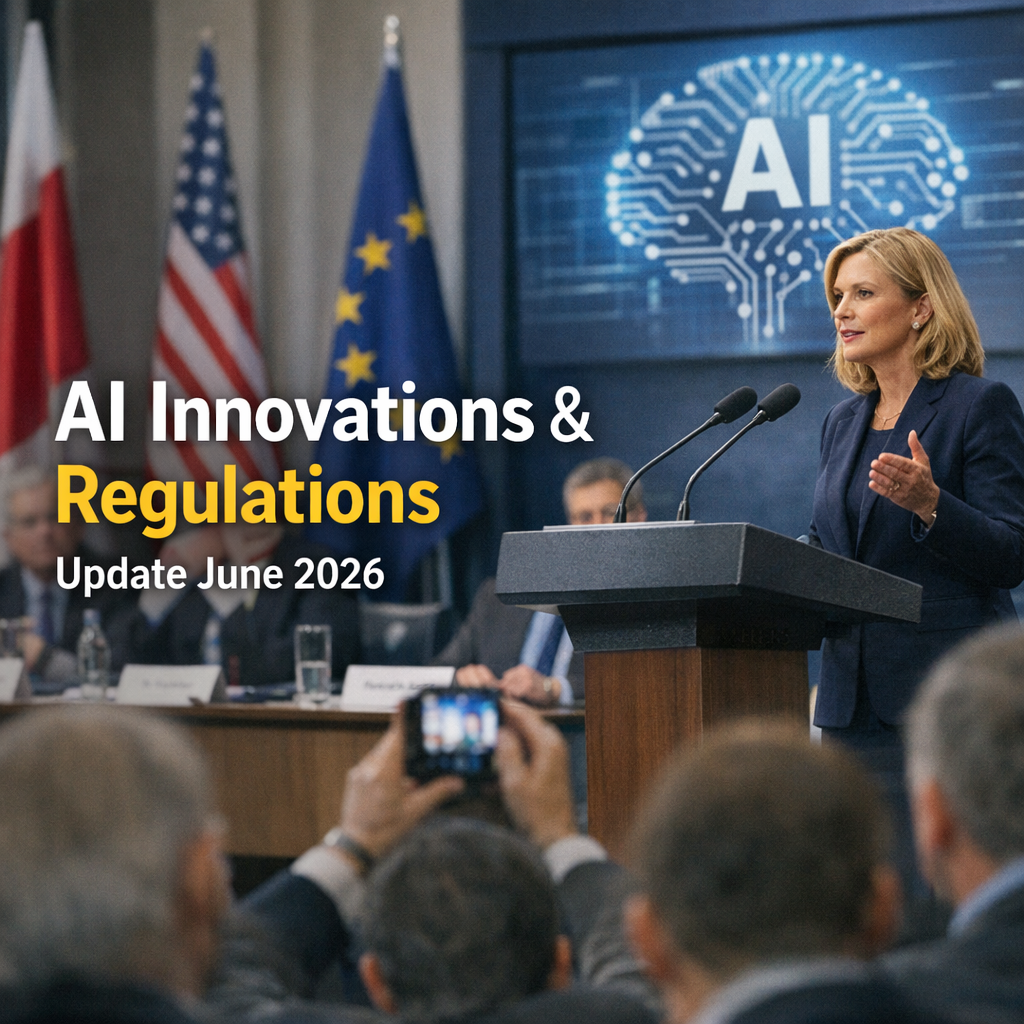
Government scrutiny intensifies as generative AI enables sophisticated misinformation and manipulation. The European Union’s Digital Services Act and pending US regulations place direct responsibility on platforms using AI to moderate content, especially during elections and in safeguarding children (Financial Times).
“Comprehensive, AI-driven ad moderation is now essential—not optional—for ensuring compliance with global digital advertising standards.”
Future Outlook
The new status quo: generative AI and LLMs will keep tightening ad platform security, but the race with adversarial automation will only intensify. For developers and AI professionals, collaboration with policymakers and ongoing tech audits remain critical. Google’s report signals more transparency and tools for third-party developers but also higher expectations for self-governance and proactive risk control in all AI-powered ad applications.
Source: TechCrunch