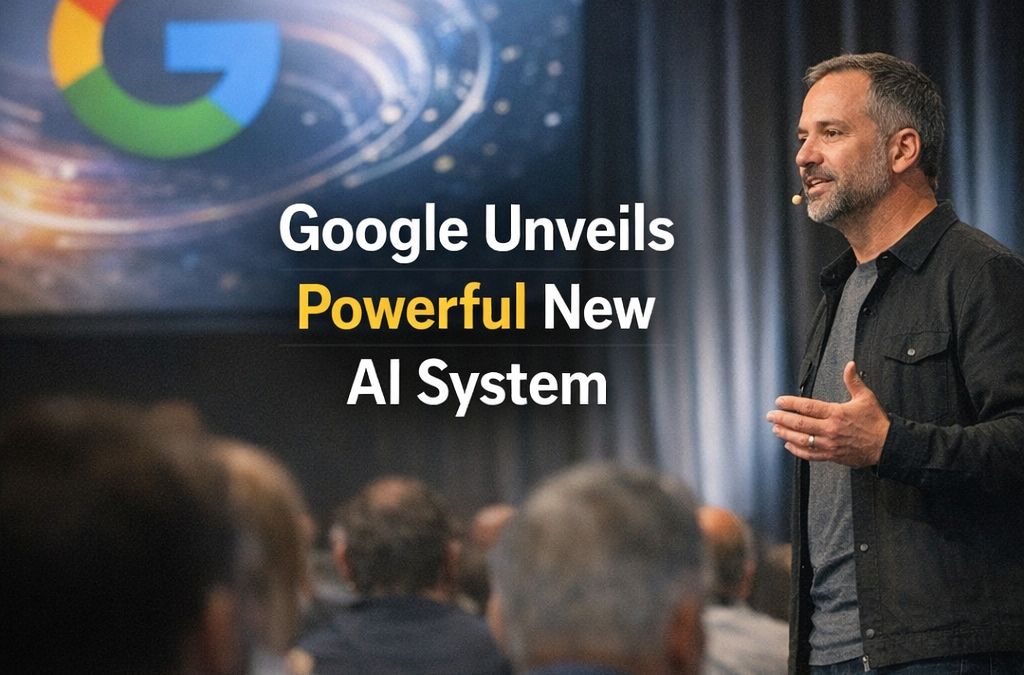
Google continues its rapid expansion of generative AI by integrating Gemini directly into Chrome, now rolling the upgrade out to users in seven additional countries. This marks another milestone in Google’s strategy to make advanced AI accessible within everyday tools, positioning itself aggressively alongside Microsoft, OpenAI, and other major AI players.
Key Takeaways
- Google rolls out Gemini-powered features in Chrome to seven new countries.
- Direct browser integration aims to streamline access to generative AI for mainstream users.
- The update strengthens Google’s competitive stance against Microsoft’s Copilot and OpenAI’s ChatGPT.
- Developers and startups gain new opportunities for building AI-enhanced web experiences and extensions.
- This move accelerates adoption of AI assistants in daily browsing and productivity workflows.
Gemini in Chrome: What’s New?
The recent rollout introduces Gemini, Google’s flagship large language model (LLM), directly into Chrome’s core functionalities. According to TechCrunch, users in the selected countries will now see new generative AI capabilities embedded in their browsers. These features include enhanced writing assistance, in-browser research help, and task automation—all accessible natively without third-party apps or extensions.
“Google’s integration of Gemini into Chrome signifies a pivotal shift: powerful AI is no longer separate but woven into daily internet use.”
Global Expansion Signals an Aggressive AI Race
This expansion follows Google’s January launch of Gemini across Android and Workspace. Opening access in new countries indicates a highly ambitious global rollout strategy, paralleling Microsoft’s efforts with Copilot on Edge and Bing. Recent coverage by The Verge affirms that Google is prioritizing strong localization and compliance with regional data policies as it broadens adoption.
“The race to dominate browser-based AI is intensifying, with Google leveraging massive user reach to promote rapid normalization of generative AI tools.”
Implications for Developers, Startups, and AI Professionals
- Developers can now tap into Gemini APIs and browser hooks to build smarter, AI-driven Chrome extensions or web apps directly leveraging Google’s LLMs.
- Startups gain a ready-made audience for AI-enhanced productivity and automation solutions—no need to convince users to download extra tools.
- AI Pros should monitor how real-world usage patterns of browser AI could inform future model refinement, fine-tuning, or vertical integrations.
According to Engadget, the embedded AI features could quickly become the baseline expectation for modern browsers, raising the bar on user experience and privacy expectations across the industry.
What to Watch Next
Industry observers expect further feature rollouts tied to Gemini in Chrome, especially in search augmentation and personalized browsing. This move will likely pressure competitors like Apple and Mozilla to accelerate their own LLM and AI assistant integrations. Google’s emphasis on responsible AI and region-specific controls will remain critical, especially as local regulators increase scrutiny.
“Browser-native AI may redefine digital productivity, creating fresh must-haves for developers and transformative opportunities for startups.”
Conclusion
The integration of Gemini into Chrome in more countries cements browser-based AI as the new norm. Developers and AI professionals should anticipate rapid shifts in user behavior, and startups should consider new monetization models leveraging built-in AI. Google’s aggressive global rollout may spark unprecedented innovation and competition—underscoring that generative AI is now part of everyday internet infrastructure.
Source: TechCrunch