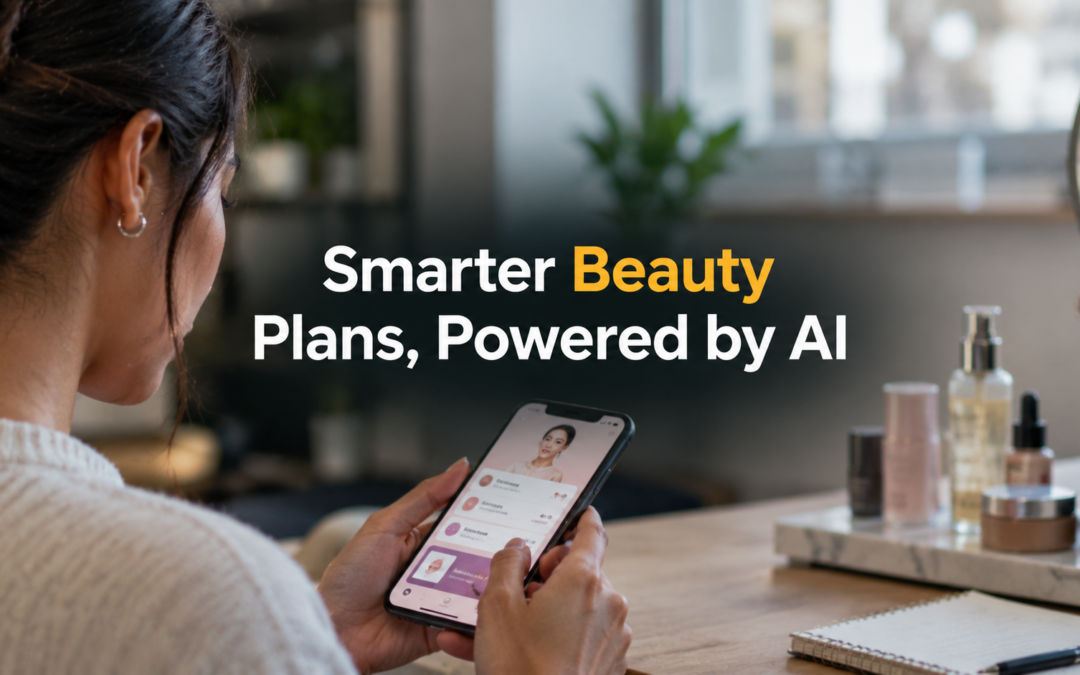
Bumble, the popular dating app, has launched Bee, a generative AI-powered dating assistant that helps users craft bios, select photos, and break the ice with personalized conversation starters. This AI-dating assistant shows how generative AI solutions continue to reshape social platforms and everyday digital experiences.
Key Takeaways
- Bumble introduces Bee, an AI-powered dating assistant aimed at improving user matchmaking and interactions.
- Bee leverages LLM technology to help users create compelling bios, select engaging photos, and enhance conversations.
- This release signals a broader shift toward generative AI integration in mainstream consumer apps.
- AI-driven personalization and moderation features present new opportunities for developers and startups innovating in digital social spaces.
Bumble Launches Bee: Generative AI Meets Online Dating
Bee, Bumble’s brand-new AI dating companion, brings large language models (LLMs) directly into the dating app workflow. It helps users optimize their profiles and chat experiences, lowering social barriers for new users while providing seasoned daters with sharper, more interesting interactions.
“Bee doesn’t just help with opening lines: it fundamentally changes how users approach online dating—from profile setup to actual communication.”
How Bee Works: AI at Every Dating Step
Bee integrates deeply into multiple daily user flows:
- Bio Generator: Users enter key interests or personality traits and Bee crafts witty, authentic bios designed to attract attention.
- Photo Selection: Bee analyzes image quality, context, and diversity, recommending photos that perform well and suit the user’s goals (source: Engadget).
- Conversation Starters: Drawing on both user data and trending pop culture, Bee suggests icebreakers tailored for each match, studying prior interactions to keep the dialogue fresh.
Analysis: Real-World Implications for AI & Social Apps
Bumble’s integration of generative AI demonstrates a practical application of language models outside enterprise settings. This release addresses a tangible user pain point: awkwardness and inefficiency in online dating. By embedding AI directly into the product, Bumble positions itself as a digital innovator while pushing the boundaries of AI assistance beyond chatbots and productivity.
“Generative AI is now central to improving user experience in mainstream consumer apps, moving beyond hype to concrete value.”
Why This Matters for Developers, Startups, and AI Pros
Bee’s debut unlocks new directions for product teams:
- Developers: The move exemplifies how integrating LLM APIs can increase user engagement and retention by addressing common blockers with practical AI solutions.
- Startups: Bee sets an example for early-stage companies looking to differentiate by weaving AI-driven personalization and recommendations into core product features.
- AI Professionals: The use case highlights growing demand for robust content moderation, bias mitigation, and safe interaction frameworks as AI shapes sensitive user experiences (see The Verge for additional insights).
What’s Next: The Road Ahead for AI in Social Tech
Bee’s success or failure will likely inform similar integrations across peer-to-peer platforms, from recruiting apps to friendship networks. Generative AI’s ability to help users present themselves authentically and make meaningful connections indicates a larger technology trend: AI that’s proactive, contextual, and seamlessly embedded into previously non-technical domains.
“The future of social tech belongs to apps that blend conversational AI with strong personalization and real-time assistance.”
Further Reading
Source: TechCrunch