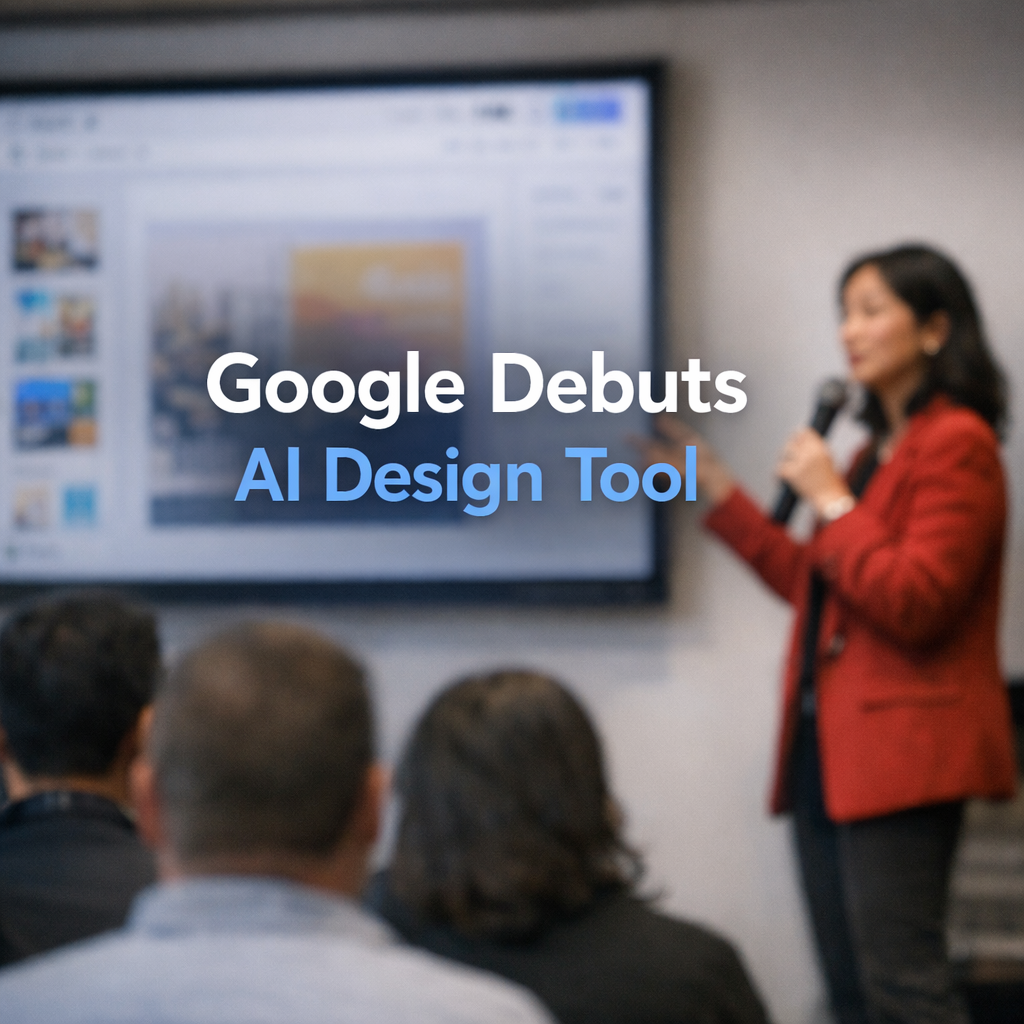
Generative AI applications are rapidly transforming industries by automating content creation, streamlining workflows, and driving novel user experiences. Recent reports and data from Social Media Today, TechCrunch, and Forbes outline surging adoption rates and expanding real-world benefits as LLMs and generative technologies become foundational business tools.
Key Takeaways
- Generative AI app usage surges: Over 50% of enterprises have adopted at least one generative AI tool according to recent surveys.
- Text, image, and code generation apps dominate growth with OpenAI’s GPT, Google’s Gemini, and Midjourney leading adoption.
- Real-world use cases span marketing, product design, programming productivity, customer support, and personalized content delivery.
Gen AI Applications Reach Mainstream Adoption
Social Media Today’s recent infographic highlights adoption rates accelerating across businesses. Open source and commercial LLM platforms now underpin a boom in user-facing apps — from ChatGPT and Google Gemini to image generators like DALL-E, Midjourney, and Stable Diffusion.
Businesses integrating generative AI see measurable gains in efficiency, creative output, and customer engagement.
Key Trends Powering Adoption
- Workforce Augmentation: Generative tools now handle day-to-day tasks in marketing, code automation, and design, freeing teams for higher-level work. According to TechCrunch, 68% of surveyed businesses say generative AI improved staff productivity.
- Explosion of Use Cases: From drafting sales copy to automating spreadsheet creation, gen AI APIs and plugins accelerate application development and deployment for startups and enterprise teams.
- Quality & Customization: Foundational models like GPT-4o and Gemini 1.5 now enable fine-tuned applications in specialized domains, including healthcare, law, and curriculum development.
Industry leaders are moving from experimental AI pilots to full-scale generative integration across their tech stacks.
Implications for Developers, Startups, and AI Professionals
- Developers: The trend raises the bar for prompt engineering, fine-tuning, and model benchmarking. Practical skills in API integration, privacy-preserving AI, and user experience design will define the next generation of AI apps.
- Startups: More capital and infrastructure support are flowing into the generative vertical. Platforms offering rapid prototyping and model hosting (like Hugging Face and Vertex AI) lower entry barriers for innovative product launches.
- AI Professionals: Demand is shifting toward AI risk analysis, model explainability, and aligning outputs with enterprise compliance. Skilled prompt engineers and solution architects are highly sought after.
What’s Next for the Gen AI Ecosystem?
Experts predict a continued fusion of LLMs, diffusion models, and multi-modal AI powering new generations of applications. As mainstream users demand transparency and reliability, developers and companies must focus on ethical deployment, copyright compliance, and robust AI monitoring. Expect even greater competitive differentiation based on domain-specific model performance and seamless user experiences.
Generative AI’s real-world momentum signals a seismic shift—now is the time to invest, skill up, and architect future-proof solutions.
Source: Social Media Today, TechCrunch, Forbes