- Anthropic’s CPO, Anna Makanju, departs Figma’s board amid reports of a competing AI product launch.
- Anthropic’s generative AI efforts are rapidly expanding into design and productivity tool sectors.
- This development intensifies competition among leading generative AI startups and established SaaS platforms.
- Startups and developers should monitor evolving partnership dynamics as AI companies shift strategy to direct competition.
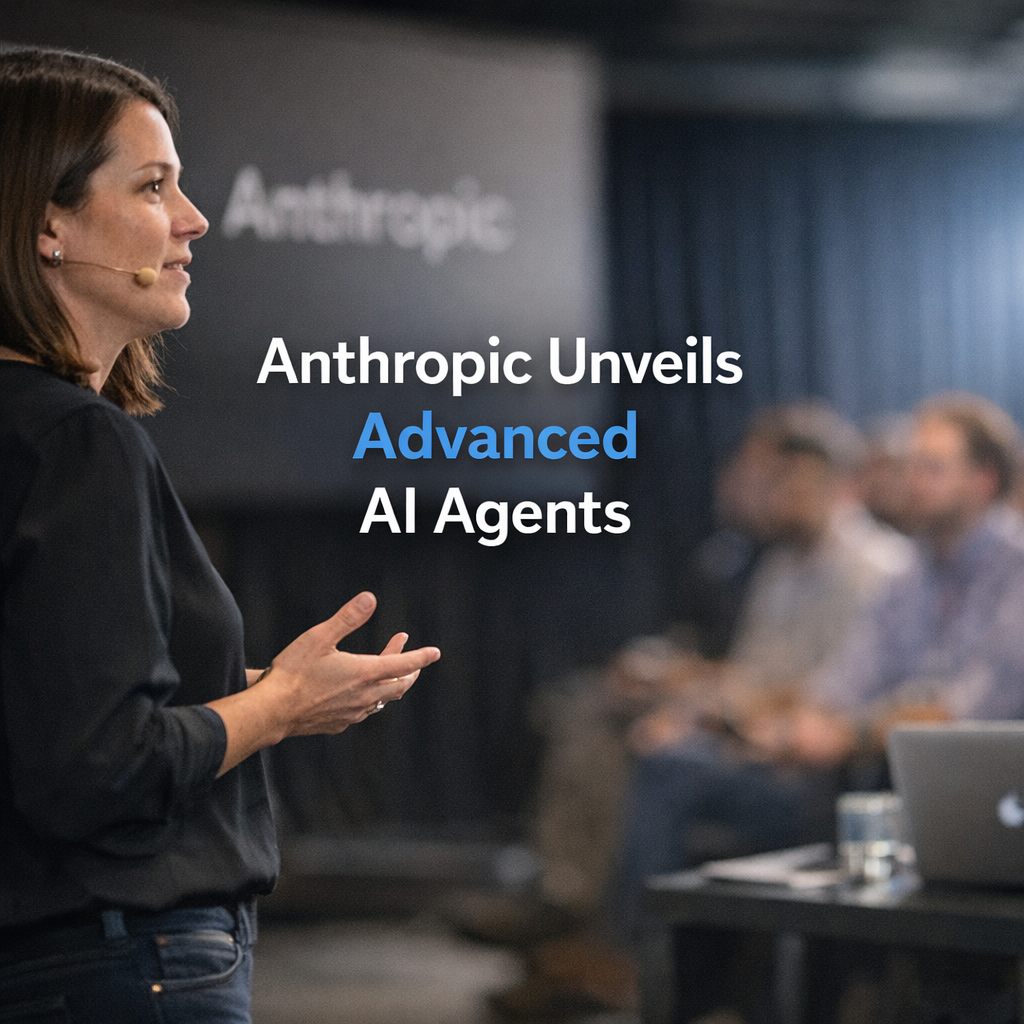
Anthropic, a leading generative AI company, is making significant moves in the product design and SaaS segments. The sudden departure of its Chief Product Officer (CPO), Anna Makanju, from Figma’s board comes after credible reports surfaced that Anthropic is preparing to launch a direct competitor to Figma’s core offerings. This signals more aggressive expansion of leading large language model (LLM) companies into specialized productivity spaces.
Key Takeaways
Generative AI leaders like Anthropic are no longer just backend tech providers—they are now entering direct competition with established SaaS incumbents.
Strategic Implications for Developers and Startups
This shift underlines a crucial development: AI firms are moving up the stack into vertical SaaS domains traditionally owned by independent startups. Anthropic, originally focused on foundational LLM research, now sees value in vertical integration—blending robust LLMs with user-facing products. Such moves challenge existing integration partnerships (e.g., Figma’s use of AI features) and have repercussions on partnerships, funding narratives, and roadmaps for AI-powered toolmakers.
For founders, these moves mean partner one day, competitor the next—the landscape for AI-infused design tools is reshaping rapidly.
What Does This Mean for the Industry?
- AI-First SaaS Disruption: The line between platform and product is blurring as AI labs leverage their research horsepower to create commercial, end-user apps.
- Renewed M&A and IP Scrutiny: SaaS companies collaborating with or inviting AI leaders onto their boards face heightened risks around IP, competition, and strategic alignment.
- Talent Fluidity: Leadership shifts reflect the volatile nature of alliances, raising the stakes for securing talent with deep domain and AI expertise.
Competitive Outlook: Figma vs. Anthropic
With Anthropic apparently building a core generative AI-powered design suite, Figma faces an emerging rival with significant compute, model development, and funding advantages. According to The Information, Anthropic has been raising capital aggressively and exploring industry-specific LLM deployment. Meanwhile, Figma continues to expand on AI features but now must double down on defensibility, unique UX moats, and partnership strategy.
The next wave of generative AI adoption will be defined by which players can translate research breakthroughs into sticky, intuitive productivity workflows.
Actionable Insights
- Startups in adjacent domains should diversify integrations and avoid platform lock-in with generative AI vendors.
- AI professionals should track which LLM companies signal intent for vertical expansion—anticipate rather than react to new product launches.
- Enterprises must scrutinize partnerships with AI labs for competitive risk and adjust procurement/roadmap planning accordingly.
Industry observers, product managers, and developers must treat today’s partnerships as situational rather than structural. The rapidly shifting AI sector rewards adaptability as leading labs transform from intellectual property partners into full-stack competitors.
Source: TechCrunch