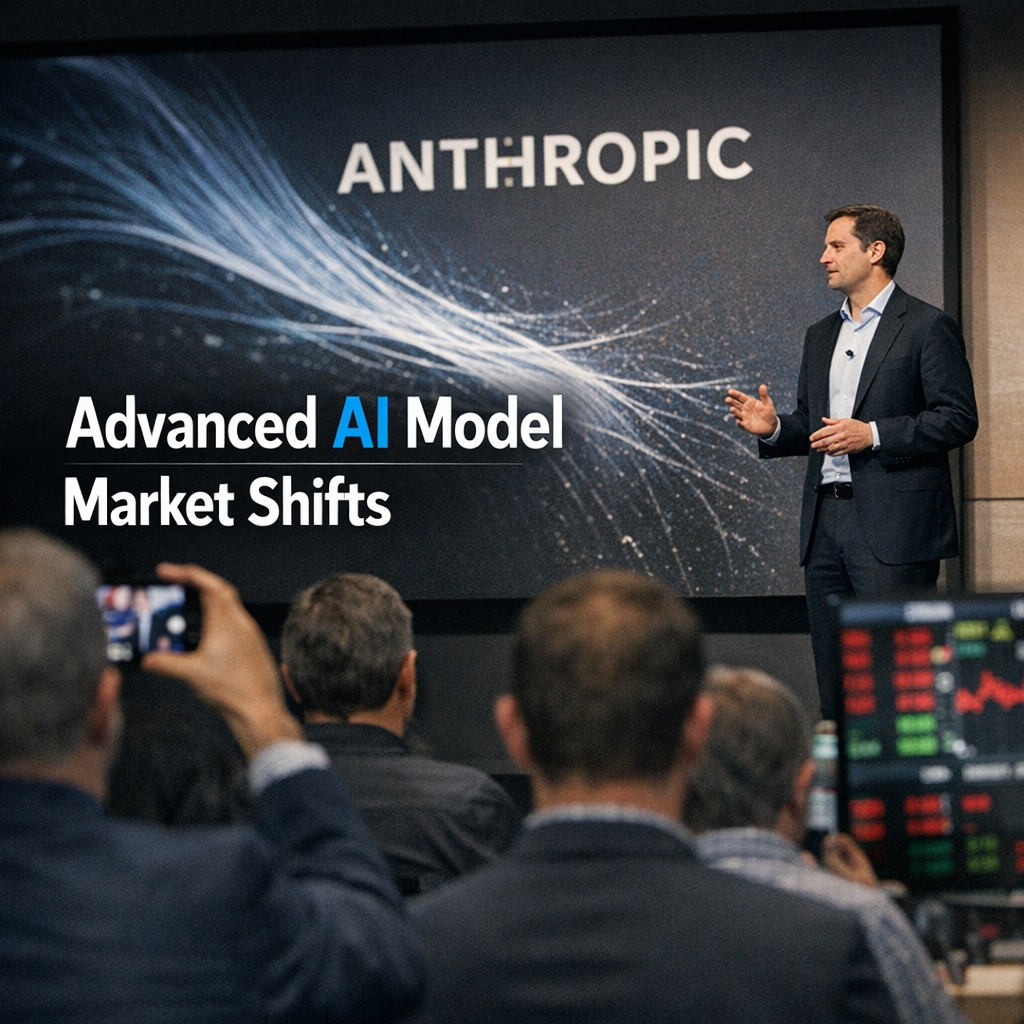
Anthropic’s strategic move to offer its generative AI model Claude to all three branches of the US government, reportedly for just $1, sends ripples across the AI industry.
As competition in the large language model (LLM) sector intensifies, this development highlights critical shifts in AI accessibility, public sector adoption, and ethical considerations.
Key Takeaways
- Anthropic has extended Claude, its advanced LLM, to legislative, executive, and judicial branches of the US government at a symbolic $1 price point.
- This bold offering closely follows moves by rivals like OpenAI and Google, underlining fierce LLM competition and rapid evolution of government-AI partnerships.
- The deal signals an inflection point for public sector AI adoption, with implications for responsible use, data privacy, and vendor lock-in.
Anthropic Pushes for AI Access in the Public Sector
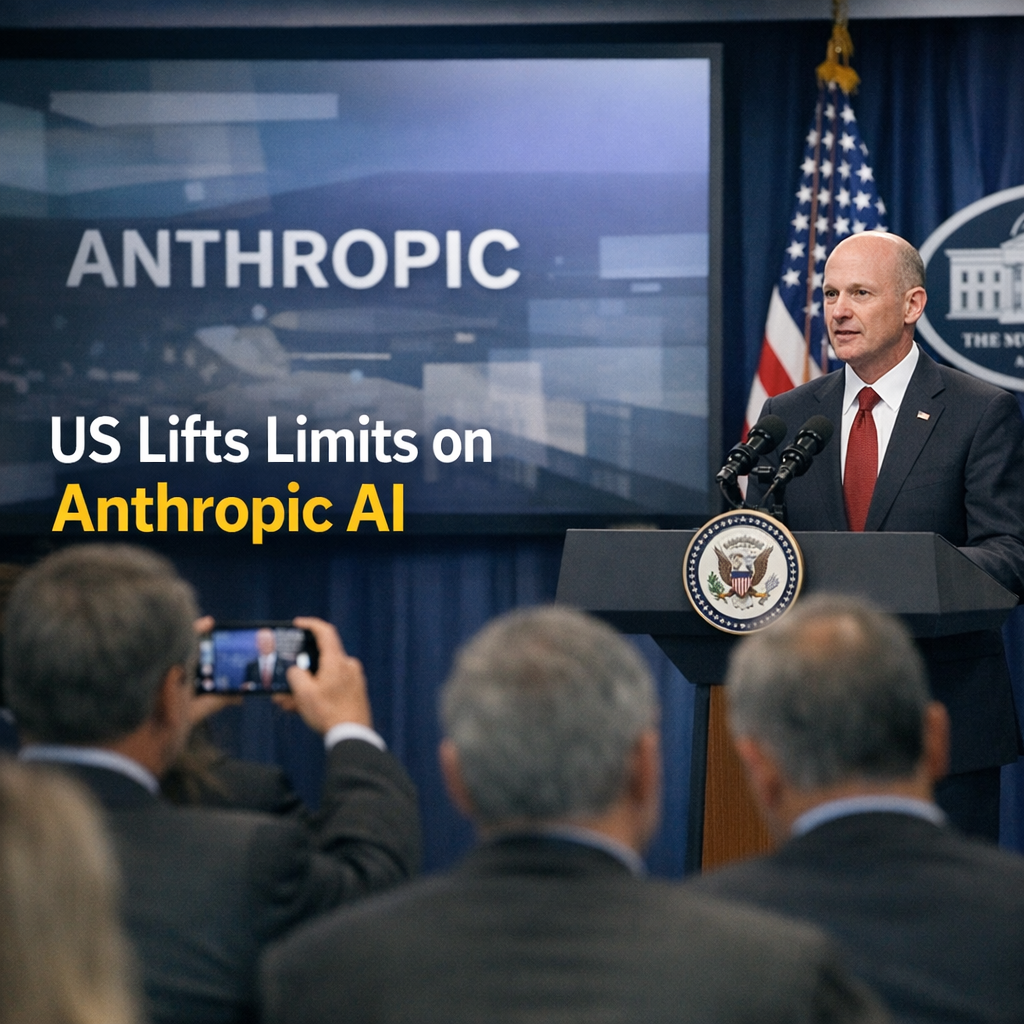
Anthropic recently announced it will make Claude accessible to all branches of the US government for a nominal fee, a decision that sharply contrasts typical big-ticket AI deals. According to TechCrunch, this strategic offer arrives amid intensifying pressure from OpenAI, Microsoft, and Google, all of which have been pushing their LLM tools into public sector workflows.
Anthropic’s $1 offer dramatically lowers barriers for government leaders seeking safe, explainable, and customizable generative AI.
The deal could fast-track Claude’s real-world deployment for functions ranging from legislative research and judicial analysis to executive agency reports and constituent communication. Government agencies may now experiment with cutting-edge AI without typical budgetary hurdles or procurement frictions—a stark contrast with fee-driven access from other top LLM providers.
Competitive Dynamics & Industry Reactions
This maneuver intensifies LLM competition. OpenAI recently inked contracts with US agencies, but those deals—like the $1.4 million agreement with the US Air Force for ChatGPT Enterprise—highlight the typical costs institutions face (see: FedScoop). Anthropic’s “almost free” approach puts direct pricing pressure on rivals and signals a race to secure public sector mindshare.
Lowered entry costs will accelerate AI trials, but operational, privacy, and security risks remain at the forefront for government CIOs.
Reactions from peers and analysts suggest this could usher in AI tool standardization and broader experimentation—yet also raise critical evaluation of vendor lock-in and potential long-term operational dependencies.
Implications for Developers, Startups, and AI Professionals
For developers and startup founders, Anthropic’s approach offers unprecedented real-world access to government-scale data, workflows, and use cases. The open access model could drive rapid feedback cycles, richer prompt engineering, and accelerated responsible AI practices within the public sector.
AI professionals should watch for shifts in federal and state procurement requirements, as agencies prioritize not just cost, but explainability, transparency, and vendor neutrality. Tools built atop Claude might now gain visibility and validation opportunities that were previously out of reach.
Ethical, Privacy, and Security Considerations
Although the $1 offer democratizes AI access, it puts pressure on government bodies to rigorously assess model security, privacy implications for sensitive data, and the robustness of responsible AI frameworks.
As noted by experts at VentureBeat, Claude’s conversational transparency and alignment promise safer outputs, but full public institution deployment demands ongoing oversight.
The government-wide Claude deployment becomes a live proving ground for transparent, accountable generative AI in critical domains.
What Comes Next
Anthropic’s headline-grabbing $1 LLM offer is likely to spur further innovation, fresh procurement models, and heightened scrutiny of AI governance in the public sector. Industry watchers expect accelerated benchmarks in ethical deployment and cross-vendor collaboration.
For the AI ecosystem—from LLM engineers to AI policy experts—Anthropic’s gambit raises both the stakes and the standards for generative AI in society’s most consequential institutions.
Source: TechCrunch