AI-powered personal assistants are rapidly changing the way individuals and businesses interact with technology. The recent rebranding of ClawdBot to MoltBot has ignited debates on user privacy, scalability, and the real-world utility of generative AI tools for tech enthusiasts and professionals.
Key Takeaways
- MoltBot (formerly ClawdBot) has surged in popularity for its highly customizable generative AI-enabled personal assistant capabilities.
- The platform’s rebrand signals an ambition to scale beyond consumer chat and become a foundational tool for advanced automation.
- Key challenges include user data privacy, integration with third-party workflows, and monetization strategies as AI assistants mature.
- Developers are gaining new APIs and SDKs, expanding opportunities for LLM-focused application building.
- Tech press and community discussions highlight MoltBot as a marker for next-gen personal AI assistant platforms.
What’s Driving MoltBot’s Viral Rise?
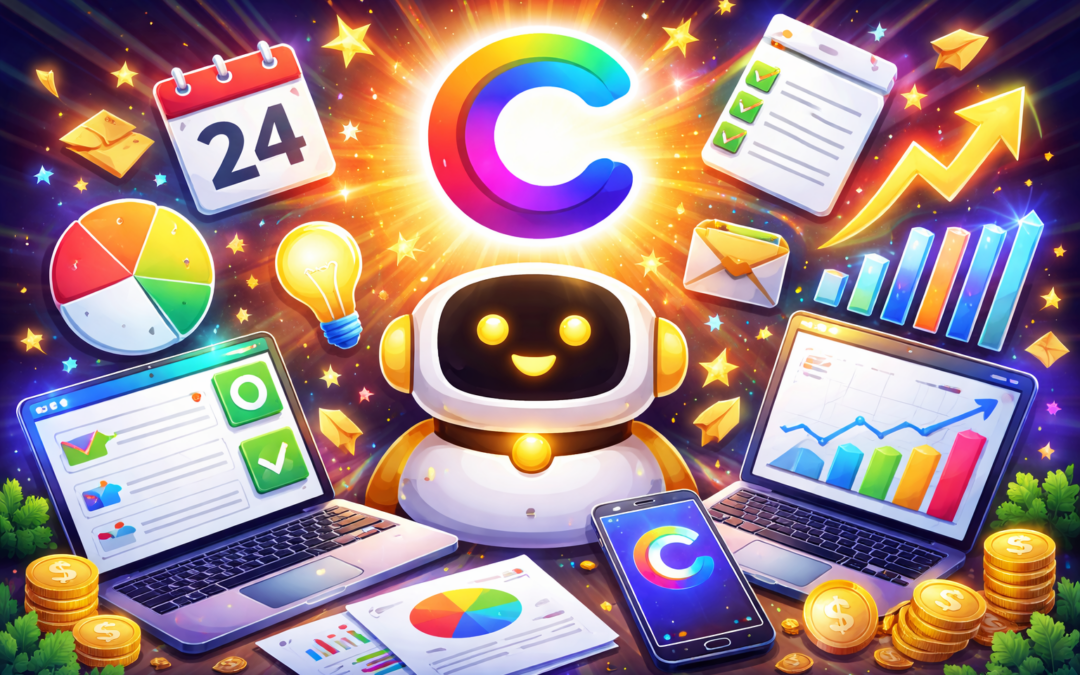
MoltBot’s user base exploded after its rebrand, attracting tech-savvy communities on Reddit and Twitter. Its core appeal lies in adaptive AI—users can train MoltBot to handle calendar scheduling, email replies, and even context-aware research highlights. Unlike traditional voice assistants, MoltBot leverages large language models (LLMs) with real-time internet access, providing up-to-date, highly contextual responses.
“MoltBot’s open developer APIs have unlocked a vast ecosystem of third-party plug-ins, making it one of the most extensible AI assistants today.”
Privacy, Extensibility, and the Competitive Landscape
MoltBot rose to prominence not just for its functionality but also for transparency about AI methods and data handling. Unlike closed platforms such as Siri or Alexa, MoltBot’s privacy settings allow users to granularly control data storage and sharing—an urgent differentiator as generative AI tools face mounting scrutiny. Wired notes that users can even run some features locally, reducing exposure to cloud-based data leaks (Wired coverage).
Meanwhile, integrations with productivity tools (Slack, Notion, Google Workspace) enable seamless task automation—a critical factor for developers and teams scaling custom workflows. As TechCrunch reports, the team aims to transform MoltBot from a viral app to an “AI operations platform” similar to Zapier, but LLM-powered (TechCrunch report).
“For AI startups and engineers, MoltBot’s SDKs and APIs lower barriers for building LLM-based personal assistant apps—accelerating the next wave of AI-driven productivity.”
Implications for Developers, Startups, and AI Professionals
As MoltBot moves beyond chat toward workflow orchestration, it signals a shift in AI assistant app monetization strategies. The company rolled out tiered premium features, but also opened up its SDK and API—a play to attract independent developers and enterprise partners. Forbes highlights that this arms race for AI extensibility could tip the balance for startups looking to embed generative AI into their products (Forbes analysis).
This wave of “programmable assistants” raises key questions about trust, transparency, and standardization. Market observers point out that winning platforms must combine developer flexibility with robust user protections and seamless UX to gain mainstream traction.
“AI professionals should prioritize seamless integration and tight privacy controls when bringing generative AI assistants into production environments.”
Outlook: The Future of AI-Powered Personal Assistants
MoltBot’s trajectory highlights a pivotal moment for next-generation AI assistants. As open APIs and customizable workflows become standard, expect fierce competition to shape the ecosystem around open, privacy-forward platforms—leaving walled gardens behind.
For developers, startups, and enterprise leaders, the message is clear: embrace modularity, prioritize data control, and leverage new LLM-powered interfaces to stay ahead in the AI productivity revolution.
Source: TechCrunch