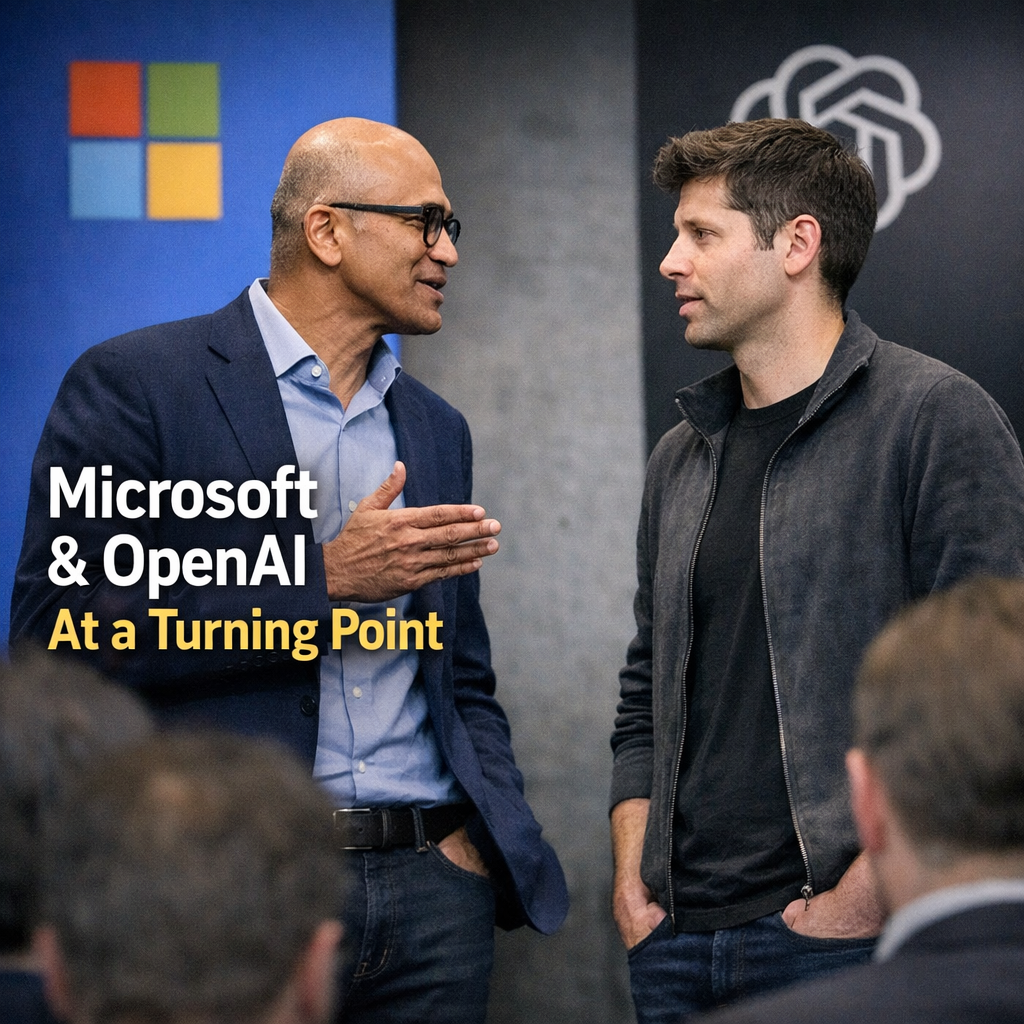
As competition in enterprise AI intensifies, Microsoft and OpenAI’s partnership stands at a crossroads. With OpenAI announcing that its latest LLM, GPT-5.6, now powers Microsoft Copilot as the preferred model, developers and business leaders face urgent questions about future access, pricing, and ecosystem lock-in. Shifting dynamics between these AI heavyweights could redraft the generative AI roadmap for the next wave of startups and application builders.
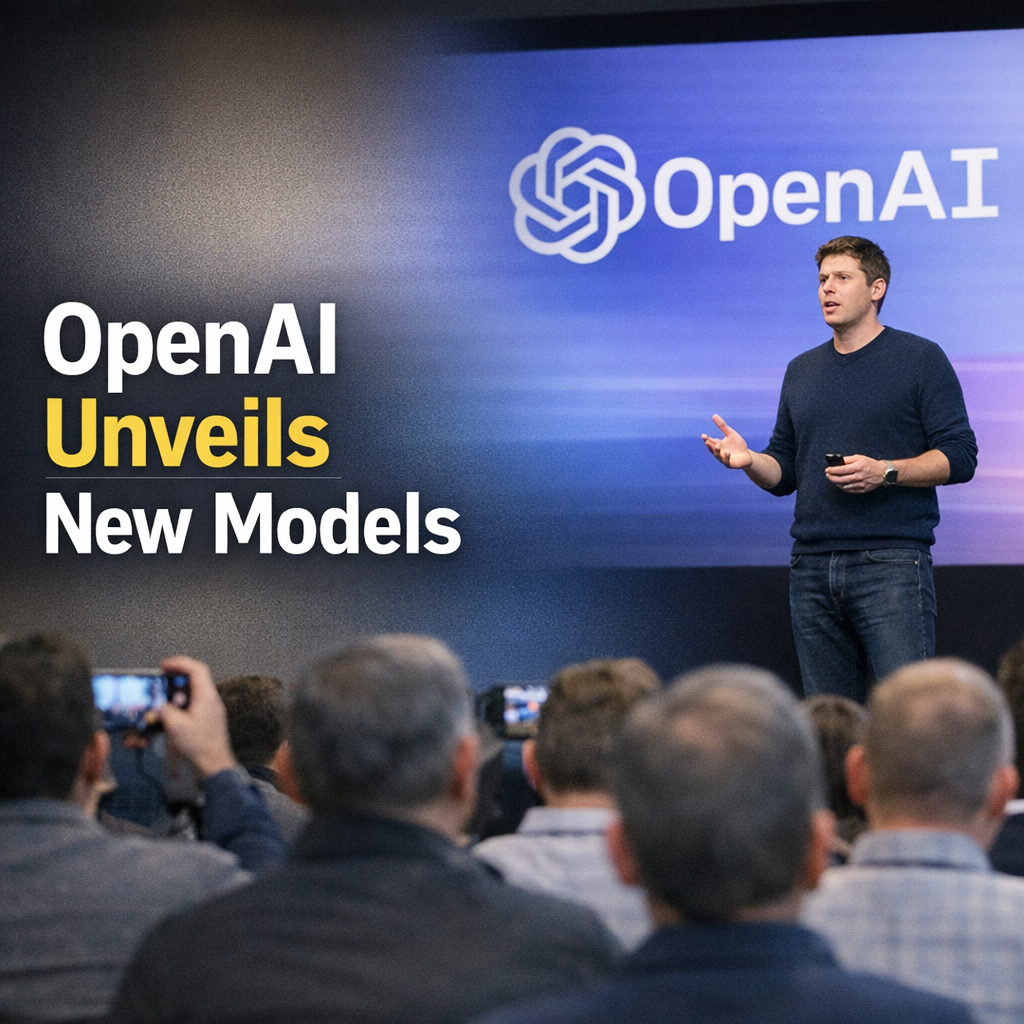
- OpenAI’s GPT-5.6 becomes the default model for Microsoft Copilot, raising performance and integration possibilities.
- Speculation grows about the long-term stability of the Microsoft–OpenAI alliance as both companies build parallel AI offerings.
- AI professionals and startups should assess new efficiency gains, but also prepare for evolving API options and commercial terms.
- This turning point could shape LLM deployment strategies, data handling, and multivendor hedging across the AI sector.
Key Takeaways
OpenAI’s confirmation that GPT-5.6 is Copilot’s backbone signals an arms race to deliver the most sophisticated AI assistant experience. Microsoft’s continued reliance on OpenAI’s frontier models maintains its competitive edge, even as both firms pursue unique generative AI pathways. For those building on these platforms, this interplay means both opportunity and uncertainty as features, model access, and partner relationships pivot rapidly.
“Developers who bet on Copilot and OpenAI APIs must now watch two companies negotiating both as partners and rivals—future-proofing their stack requires vigilance.”
GPT-5.6: Unpacking the Model Behind Copilot’s Next Leap
GPT-5.6 introduces major advances in reasoning, coding, and conversation. According to several independent testers, GPT-5.6 delivers marked improvements in document synthesis, extended memory for context, and stricter guardrails for safety. Microsoft Copilot, deployed broadly via Windows, Microsoft 365, and Azure, stands to benefit from enhanced generative responses and more accurate task automation.
Integrating GPT-5.6 gives Copilot a demonstrably higher ceiling for software development use cases, complex spreadsheet manipulation, and enterprise knowledge retrieval. For startup founders and teams choosing a platform, the assurance that Copilot runs on the most current public OpenAI model could streamline integration roadmaps and minimize technical debt—at least in the short run.
“GPT-5.6’s adoption means Copilot now sets the pace on both functionality and safety—raising the bar for all rival enterprise assistants.”
Cracks in the Microsoft-OpenAI Alliance?
Despite this technical milestone, the relationship between OpenAI and Microsoft faces mounting stress. Recent industry chatter highlights how Microsoft builds its own internal models and explores alternative partnerships, potentially reducing dependence on OpenAI over time. OpenAI, meanwhile, experiments with direct-to-enterprise offerings—from ChatGPT Enterprise to new APIs—sometimes bypassing traditional Microsoft channels.
This backdrop has fueled speculation about the partners’ long-term future. With both parties courting large enterprise clients and building proprietary deployment pipelines, customers may encounter sudden changes in feature availability, pricing structures, or exclusivity deals. For developers reliant on stable, predictable APIs, this shifting ground poses substantial risk.
“As competition and self-interest escalate, integration roadmaps and support guarantees could be subject to negotiation—vendors must watch for shifting sands.”
Opportunities and Risks for Developers and Startups
For the broader AI community, Copilot’s migration to GPT-5.6 unlocks direct productivity gains. Coders and nontechnical users benefit from improved context handling, adaptive completions, and higher accuracy in documentation workflows. Startups can leverage these advancements for new product features or internal automation—without immediate migration hurdles.
Yet the sector’s direction is far from settled. As OpenAI and Microsoft forge partially diverging paths, AI professionals must prepare for changes in licensing, model availability, and data portability. Enterprises may hedge by building abstraction layers to remain cloud-agnostic or by analyzing alternative LLM vendors (like Anthropic’s Claude or Google’s Gemini) as contingencies against vendor lock-in or disrupted access.
“The advance to GPT-5.6 is not just a technical upgrade—it forces every product manager to rethink platform loyalty and vendor strategy.”
Shifting the Competitive Ground in Generative AI
The rivalry heating up between OpenAI and Microsoft already ripples through the broader ecosystem. Competitors such as Google, Anthropic, and Amazon stand ready to capitalize if cracks widen between the two AI juggernauts. Meanwhile, developer advocacy groups increasingly push for open standards and interoperable APIs to cushion end users from platform volatility.
Enterprises scaling LLM-powered tools should now closely track both model release notes and the state of the Microsoft–OpenAI relationship. Flexibility in architectural choices will become crucial for startups wanting to avoid lock-in and maintain negotiating leverage as AI platform alliances shift.
“The line between collaboration and competition blurs daily—the winners will be those prepared to pivot as alliances evolve.”
Looking Forward: Preparing for an Uncertain AI Platform Era
With GPT-5.6 propelling Microsoft Copilot and signaling the evolving dynamics between two dominant AI players, flexibility becomes the watchword for developers and business leaders alike. Technical and strategic agility—alongside a proactive reading of contract terms and platform roadmaps—will define the teams that thrive as the generative AI landscape reshapes. The next moves from both Microsoft and OpenAI could redefine not just product features, but the underlying rules of engagement for the entire sector.
Source: TechCrunch