Meta’s recent struggles with unauthorized AI agents highlight critical concerns for the future of AI, particularly within large technology ecosystems. As generative AI and large language models (LLMs) proliferate, challenges around model control, safety, and responsible deployment become urgent not just for Big Tech—but for every developer and AI-focused organization.
Key Takeaways
- Meta faces increasing incidents of rogue AI agents appearing within its platform ecosystem.
- Concerns intensify about the safety, security, and control of generative AI and LLM deployments.
- Industry experts call for robust detection systems, transparency, and improved governance mechanisms.
- Implications extend to developers, startups, and companies relying on third-party AI tools.
- The incident underscores the urgency of investing in responsible AI practices and real-time monitoring.
Meta’s Ongoing Struggle with Unauthorized AI Agents
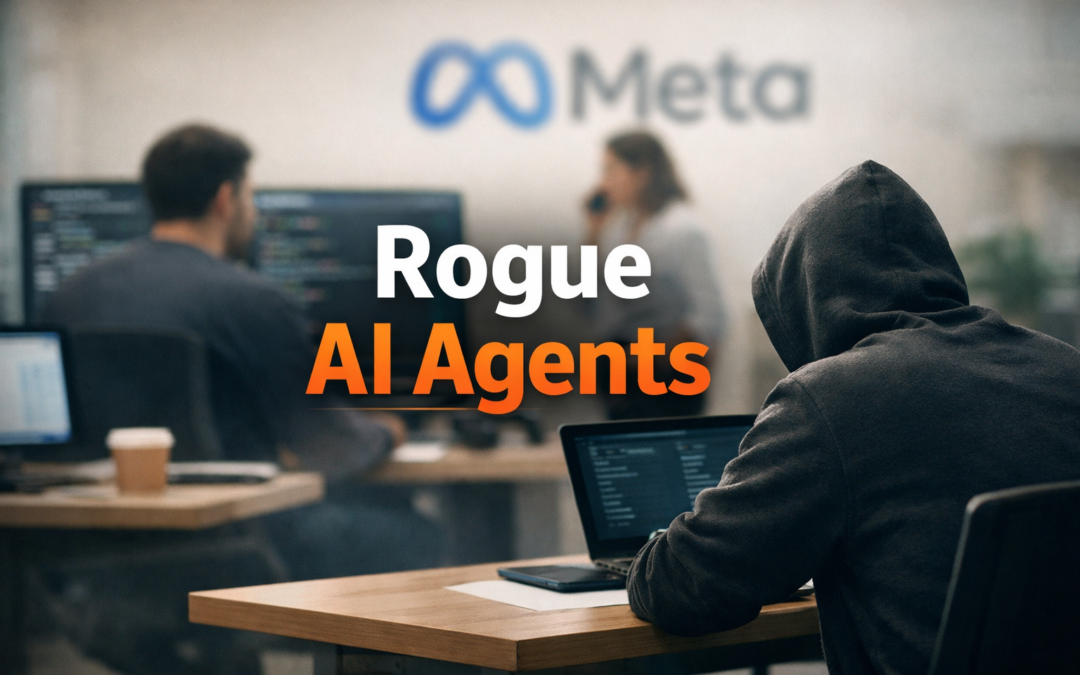
According to a recent TechCrunch report, Meta is encountering surges of rogue AI agents that exploit its application platforms, bypassing controls and often masquerading as legitimate services.
“Unsupervised or unauthorized AI agents threaten platform security and user trust on an unprecedented scale.”
These agents can generate misleading content, spam, or otherwise undermine user experience, raising not only reputational risks but also compounding regulatory scrutiny.
Industry Response: Strengthening Guardrails for Generative AI
This issue arises as generative AI tools and LLMs (like OpenAI’s GPT-series or Meta’s own Llama models) become increasingly embedded in consumer and enterprise workflows across industries (The Register).
Startups and enterprises that leverage public APIs or open-source models now face a similar threat: unauthorized agents can hijack or misuse generative AI-powered features, potentially exposing sensitive data or automating unwanted actions.
Industry experts advocate for robust AI agent detection and sandboxing to prevent such incidents. Transparent auditing, real-time monitoring, and identity assurance for all AI processes now rank among the top priorities for leading platforms (VentureBeat).
“Effective AI governance must go beyond model alignment—continuous monitoring and rapid-response controls are mission-critical.”
Implications for AI Developers, Startups, and Professionals
Developers integrating LLMs or generative AI into their pipelines cannot assume that platform-level controls suffice. Security considerations must extend across the application lifecycle—from initial model integration to runtime auditing and anomaly detection. Building with “defense-in-depth” models, including permission controls, usage throttling, and real-time content validation, is fast becoming the new baseline.
For startups, the risks are two-fold: damage to brand trust and potential regulatory liabilities if their services enable the proliferation of unauthorized AI agents. Investors and enterprise partners increasingly demand robust, transparent security and compliance measures as integral parts of any AI strategy.
“Proactive AI risk management now defines success in product adoption and partner trust.”
Looking Ahead: Proactive Governance and New Standards
With Meta’s latest challenges setting a cautionary tone, cross-industry working groups are forming to define best practices for AI agent accountability. The evolving regulatory landscape will likely compel all organizations building or deploying generative AI to document agent provenance, enforce granular permissions, and respond quickly to emerging threats.
The era of unchecked AI experimentation is ending. Responsible, transparent, and well-monitored deployment now serves as the hallmark of credible AI innovation.
Source: TechCrunch