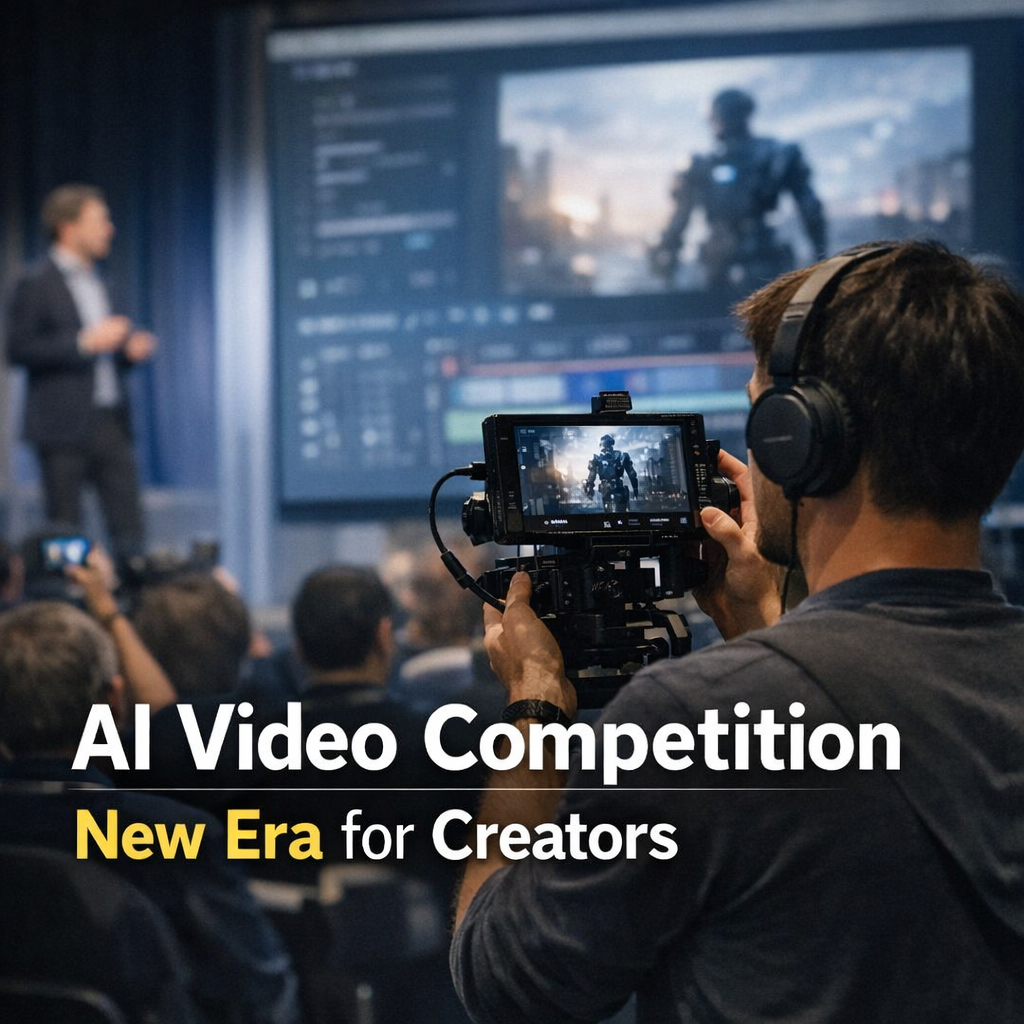
Meta is gearing up for a significant leap in generative AI by reportedly developing a state-of-the-art image and video model aimed for release in 2026. This move signals intensifying competition in AI visual content creation, with potential waves of impact for developers, startups, and the broader AI industry.
Key Takeaways
- Meta is working on a new advanced generative AI model that can create both images and videos, targeting release in 2026.
- This model aims to dramatically improve visual content generation, addressing quality and realism limitations in current tools.
- The initiative puts Meta in head-to-head competition with rivals like OpenAI, Google, and Stability AI in the generative AI space.
- Expect rapid downstream shifts in developer tools, content creation platforms, and third-party marketplaces shaped by new capabilities.
- The model’s development aligns with trends in leveraging multimodal AI for transformative real-world applications.
Meta’s Vision for Next-Generation Generative AI
Meta’s upcoming model reportedly aims to set new benchmarks in the quality and versatility of AI-generated images and videos. According to TechCrunch and corroborated by Reuters, Meta wants to close the gap between its current models like Emu and its competitors’ offerings such as OpenAI’s Sora and Stability AI’s Stable Video Diffusion.
Meta’s 2026 model is poised to redefine what’s possible with generative AI for both images and moving visuals.
Advancements and Strategic Implications
Current generative AI image models—while powerful—struggle with real photorealism, temporal coherence in videos, and fine control over output. Meta’s initiative seeks not only to leapfrog these technical barriers but also integrate large language models (LLMs) for more nuanced, multimodal interactions.
If successful, this could enable seamless prompt-to-video workflows, dynamic storyboarding, and AI-powered media production at scale. Startups in fields from adtech to film production stand to benefit, as richer APIs and tools emerge around Meta’s new offering.
Developers should prepare for a paradigm shift, as multimodal AI models will soon become foundational for rich digital experiences.
Broader Industry Context
Meta’s investment mirrors a broader trend: all major AI players are pivoting toward comprehensive multimodal models. OpenAI’s Sora, Google’s Gemini, and Anthropic’s Claude exhibit this race to bridge text-image-video generation as the new AI frontier. As The Verge and Reuters highlight, the next-generation tools emphasize not just creation speed, but semantic depth, interactivity, and user control.
For the AI industry, this competition energizes open-source frameworks, startup incubators, and even regulatory scrutiny—especially as the lines between synthetic and human-generated content blur.
What This Means for AI Practitioners
For developers: Begin architecting solutions that assume higher fidelity and multimodal input/output. Flexibility, scalability, and responsible AI use will become core requirements.
For startups: Stay alert to new API access, partnership opportunities, and shifts in user demand for AI-powered creative tools.
For AI professionals: Research in prompt engineering, interpretability, and content provenance will climb in value.
The generative AI landscape is about to be reshaped—preparing now ensures readiness when Meta, and its rivals, redefine the standards for visual AI.
Looking Ahead
As Meta pushes toward a 2026 release, expect an acceleration of innovation, rigorous debates around ethics and deepfakes, and new waves of possibility for creators of every scale. The developments underscore a new era of visual AI, where boundaries of what can be generated continue to expand rapidly.
Source: TechCrunch