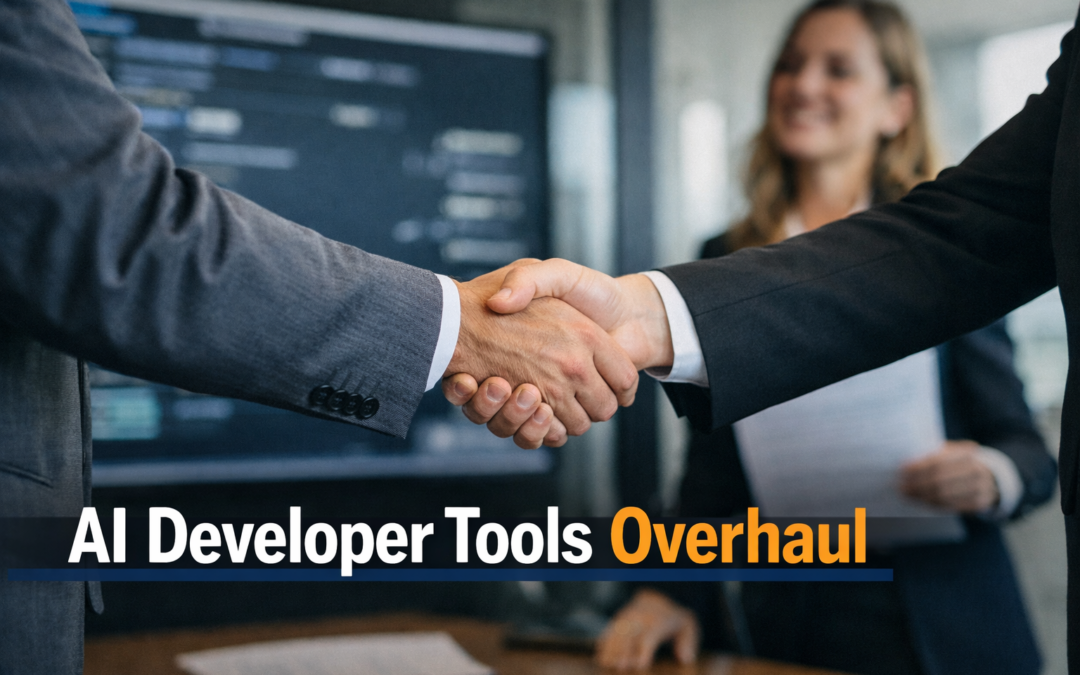
- Lovable, a coding startup behind the AI-powered IDE Vibe, is actively acquiring complementary developer tools startups.
- This acquisition strategy aims to rapidly build an integrated AI development environment to rival established players.
- Industry observers note a rising trend of consolidation among AI-first developer tool companies in 2026.
- These moves create new opportunities and challenges for developers, startups, and integrators in the generative AI tooling space.
The generative AI development ecosystem continues to evolve at breakneck speed. Lovable, creator of the increasingly popular AI-integrated code editor Vibe, is accelerating growth through acquisitions—positioning itself as a potential new leader in the next-generation developer tooling market. This proactive expansion brings implications for both established vendors and ambitious startups, as competition for developer mindshare intensifies.
Key Takeaways
- Lovable is seeking to combine niche AI-powered coding tools under one platform.
- The move increases competition in generative AI IDEs and developer tools.
- Startups in this segment face new exit and partnership opportunities.
- Developers can expect faster feature rollouts and deeper AI-native integrations.
Lovable’s Acquisition Strategy
Lovable’s push to acquire other developer tools startups is not unique but marks a turning point for the AI IDE segment. According to TechCrunch and corroborated by sources like VentureBeat and The Information, Lovable aims to unite specialized tools directly into its Vibe platform—including features like AI code review, autonomous debugging, and real-time collaboration powered by LLMs.
“The race to build the definitive AI-driven coding workspace is intensifying, as players like Lovable prioritize native integrations over fragmented tooling.”
By acquiring innovative but early-stage rivals, Lovable hopes to deliver a more cohesive developer experience—tightly connecting features like AI pair programming, contextual documentation, and generative testing into a single workflow. This echoes moves by larger rivals, including GitHub Copilot’s extensions and Replit’s app ecosystem, but could enable faster iterations and community-driven innovation.
Market Reactions and Industry Implications
Industry experts at VentureBeat and The Information note several factors driving this consolidation:
- Venture funding for vertical AI tools has slowed, so startups increasingly view M&A as a viable outcome.
- Enterprises demand tightly integrated, seamless AI features rather than isolated plugins.
- Larger platforms seek to bundle promising microservices before competitors can gain critical mass.
“For AI developers and founders, consolidation can mean both opportunity for quicker exits and risk of losing independence.”
A unified IDE with robust, AI-powered capabilities appeals to enterprise teams seeking to streamline workflows and boost productivity. However, as dominant players emerge, smaller innovative tools may struggle for distribution if they remain independent.
What This Means for Developers and Startups
For developers, Lovable’s expansion signals a coming wave of even more deeply integrated generative AI workflows:
- Expect rapid deployment of advanced LLM-based features as acquired startups integrate their best inventions directly into Vibe.
- AI-native collaboration, debugging, and even low-code generation are becoming standard parts of the development pipeline.
- Vendor lock-in risk increases, but the overall developer experience will likely improve as fragmented tools disappear.
Startups building AI DevTools gain new paths: partner, compete, or get acquired. Those with unique data, niche automation, or domain expertise may find lucrative exit options—if their tech fits seamlessly within broader platforms.
“Integrations and interoperability top the list of priorities as AI tool ecosystems consolidate; forward-thinking startups should prepare for buyout approaches or push their API offerings to the forefront.”
In summary, Lovable’s acquisition play is reshaping the generative AI development landscape, accelerating the convergence of smart coding tools, and setting a new standard for what modern AI-powered IDEs offer.
Source: TechCrunch