Elon Musk’s xAI has launched legal action accusing rival OpenAI of misappropriating trade secrets, intensifying the ongoing competition in large language models (LLMs) and generative AI.
The dispute underscores rising tensions over proprietary AI data, training techniques, and commercialization strategies, raising crucial questions for developers, startups, and enterprise adopters around security, transparency, and competitive ethics.
Key Takeaways
- xAI sues OpenAI, alleging the theft of valuable trade secrets from ex-employees now working at OpenAI.
- The lawsuit deepens ongoing concerns about the portability of knowledge and intellectual property (IP) as generative AI talent moves between tech firms.
- The industry faces mounting scrutiny over data governance, LLM training methods, and competitive boundaries within the generative AI ecosystem.
- This dispute may shape how AI companies, especially startups, safeguard proprietary algorithms, datasets, and staff.
Background: What Prompted the Lawsuit?
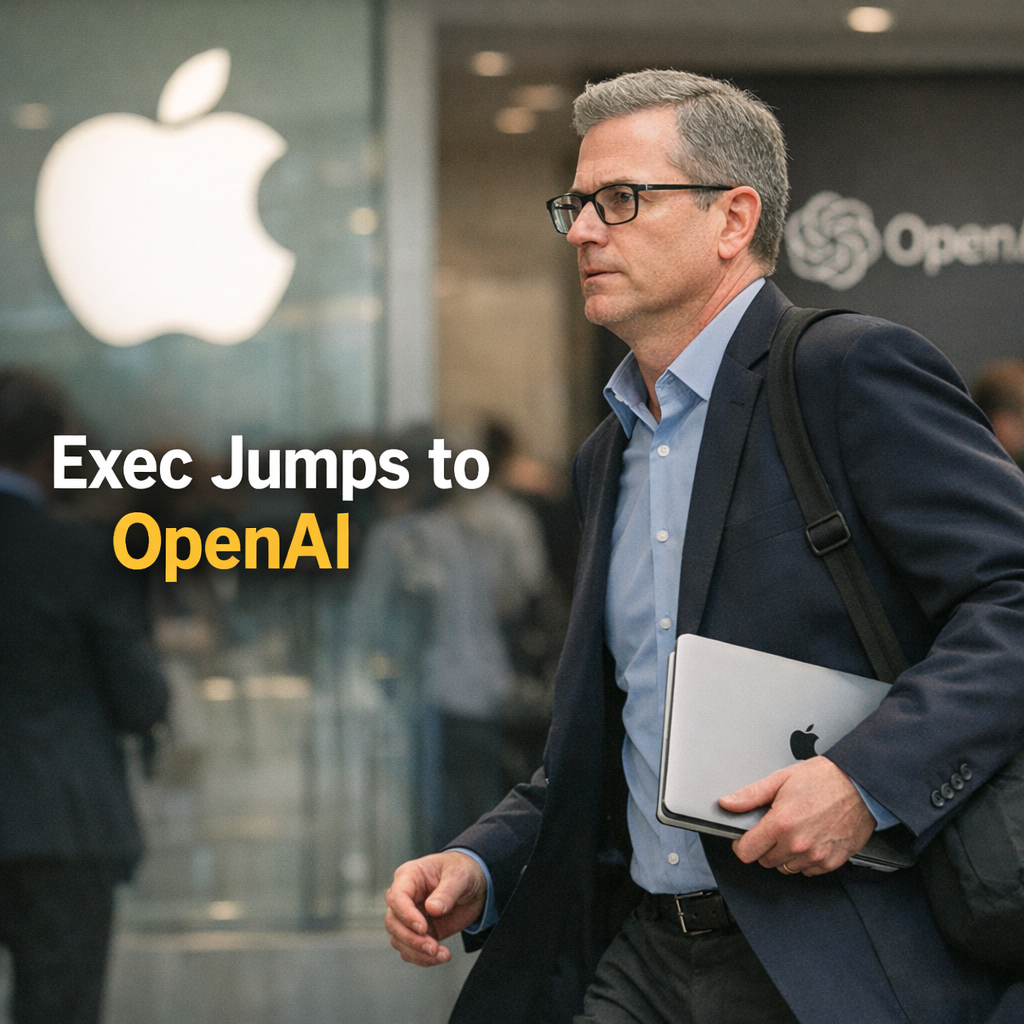
According to Reuters, xAI alleges that OpenAI unlawfully obtained confidential information by hiring ex-xAI employees, who then used proprietary trade secrets to advance OpenAI’s models and products.
Other sources, such as TechCrunch and The Verge, report that xAI’s legal action not only targets the alleged use of confidential research but also questions former employees’ compliance with non-disclosure agreements.
This legal spar sends shockwaves across the sector known for rapid staff mobility and blurred lines between collaborative research and competitive lock-in.
Industry Analysis: What Does It Mean for AI?
“The xAI vs. OpenAI lawsuit may become a touchstone case defining the boundaries of proprietary knowledge and fair competition in the generative AI era.”
The legal clash illustrates escalating concerns around IP protection and data governance in the race to build better foundation models.
As LLMs and generative AI tools become business-critical, the risk of alleged IP infringement increases, given the significant overlap in talent, research focus, and data sources across major AI labs.
Developers and startups must now rigorously document development workflows, codify internal security protocols, and pay closer attention to how research staff handle proprietary information.
The case brings to light potential weaknesses in NDAs and non-compete clauses, especially relevant as experienced AI practitioners frequently transition between firms.
For AI professionals, this legal action flags the importance of legal literacy regarding IP, documentation practices, and even team culture. It also highlights how legal disputes could shape the landscape of open source vs. closed-source AI, and how proprietary innovations are shared or kept secret.
Implications for Developers, Startups, and Industry Leaders
“Companies investing in LLMs and generative AI must now balance collaborative innovation with fortified trade secret protections to stay ahead in a fiercely competitive market.”
- Developers: Should maintain meticulous records, contribute to IP-safe coding practices, and understand the legal frameworks that govern the use and transfer of proprietary data and model architectures.
- Startups: Need proactive legal strategies, especially as hiring from competitors could prompt litigation. Early investment in code and idea provenance tracking can serve as vital risk mitigation.
- AI Professionals: Must develop digital hygiene practices and seek clear employment agreements to safeguard themselves and their employers against inadvertent trade secret violations.
Looking Ahead: Escalating Risks and New Standards
With legal gray zones in AI intellectual property law, this case may set significant precedents, influencing future research collaboration models, employee mobility policies, and transparency expectations in AI development pipelines.
As open source AI continues to boom alongside proprietary advancements, the boundary lines this lawsuit draws could have lasting impacts across the AI industry.
Continued scrutiny from regulators and the public will likely push companies to evolve best practices for data stewardship, disclosure, and safeguarding innovation.
Stakeholders at every level, from individual engineers to global platforms, must prioritize not only technical excellence but also robust legal and ethical frameworks in their AI operations.
Source: Reuters