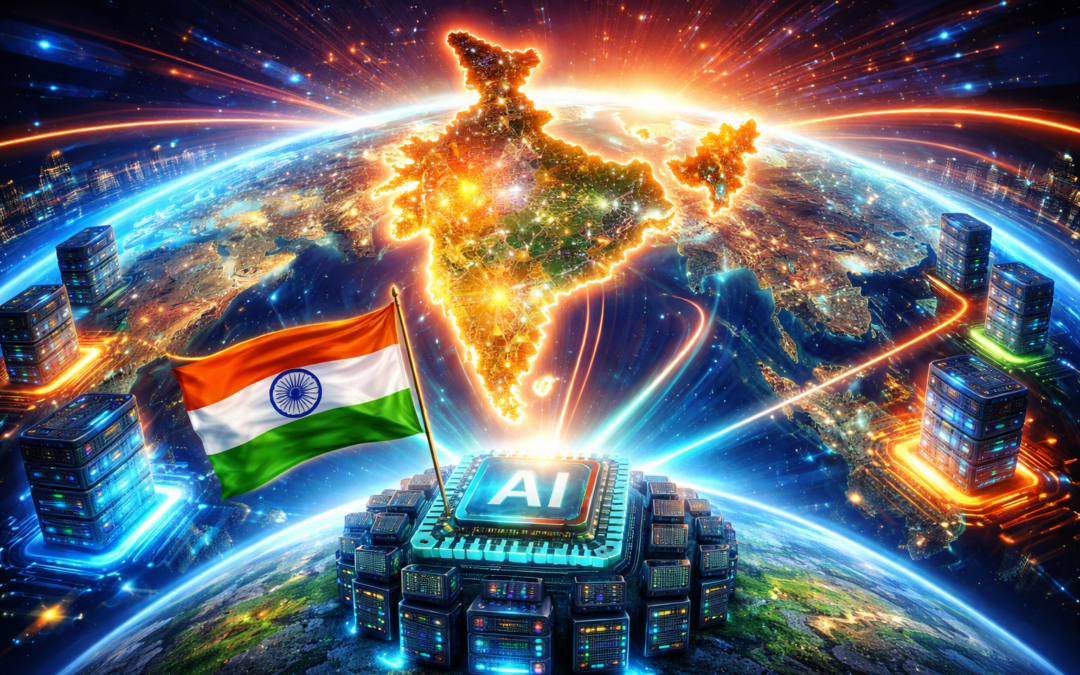
OpenAI’s ChatGPT continues to drive AI adoption and experimentation worldwide, with India emerging as a leading hub of engagement—especially among young adults. The company recently shared notable usage statistics that shine a light on how generative AI tools are gaining rapid traction among India’s Gen Z population, with far-reaching implications for developers, startups, and the wider AI ecosystem.
Key Takeaways
- People aged 18-24 account for nearly 50% of ChatGPT usage in India.
- India stands among the fastest-growing markets for generative AI products globally.
- Young users value AI-driven tools for both educational and creative purposes.
- This demographic surge is spurring new opportunities for AI startups and solution providers.
- OpenAI’s global user base highlights shifting expectations for AI accessibility and utility.
Demographics Drive ChatGPT’s Explosive Growth in India
OpenAI revealed that nearly half of all ChatGPT users in India are between 18 and 24 years old. This demographic surge highlights the country’s young and digitally native population rapidly adopting AI for learning, productivity, and exploration. India is now the third-largest user base for ChatGPT, trailing only the United States and a handful of developed nations (Source: CNN Business, The Economic Times).
“India’s Gen Z is not just consuming generative AI—they are redefining how, when, and why these tools are used.”
AI as an Educational and Creative Engine
The high adoption rate among students and young professionals results from generative AI’s utility in academic research, coding assistance, language learning, and creative ideation. The accessibility of free and freemium tiers for tools like ChatGPT has further accelerated this phenomenon.
“For today’s students and early-career professionals, AI is an everyday companion—powering queries, automating homework, and inspiring side projects.”
Implications for Developers, Startups, and the AI Ecosystem
The youthful demographic engaging most with generative AI shapes development priorities and go-to-market strategies. AI solution providers must now:
- Optimize interfaces for mobile and vernacular language accessibility, as India’s language diversity and mobile dominance demand localized solutions.
- Anticipate demands not just for productivity, but also for safe, creative, and collaborative AI-driven experiences.
- Address ethical considerations—especially content accuracy, privacy, and AI bias—as younger users integrate these tools into critical life stages.
Investors and entrepreneurs are responding to this surge. India saw a marked uptick in AI-focused funding rounds and hackathons during 2023 and 2024 (Source: YourStory, Inc42), further seeding the ecosystem with tools tailored to a burgeoning audience.
The Road Ahead: Next-Gen AI Adoption
The generational adoption patterns emerging in India foreshadow global AI literacy and uptake trends. Developers and AI professionals face a unique opportunity to shape the ethical, educational, and economic frameworks around these tools. As OpenAI and competitors expand access and sophistication, user expectations will only grow—demanding safer, more contextual, and increasingly human-aligned AI experiences.
“How India’s youth shape and steer generative AI could influence national and global trajectories for years to come.”
Source: TechCrunch