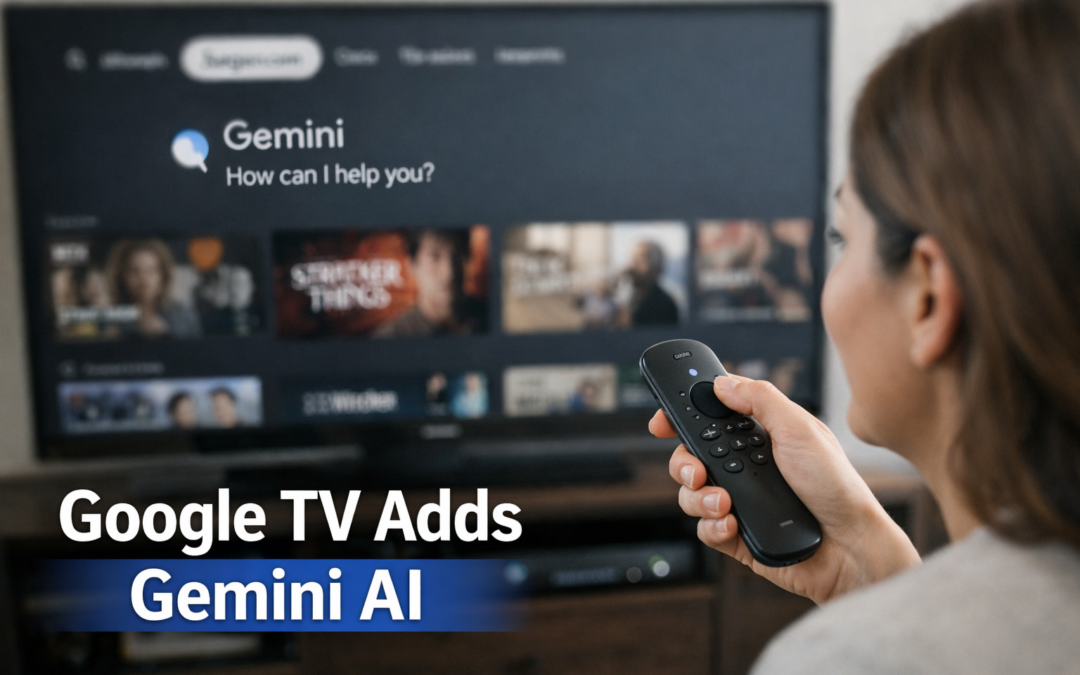
Google has brought Gemini, its advanced generative AI, directly to Google TV—transforming search, content discovery, and user engagement. These enhancements leverage large language models (LLMs) to deliver real-time sports updates, visual answers, and richer content recommendations, positioning Google TV as a smarter, more interactive platform that’s poised to reshape entertainment experiences.
Key Takeaways
- Google TV now integrates Gemini AI features, including real-time sports tracking and visual-based answers.
- Generative AI powers personalized recommendations and content deep dives using LLM-driven search.
- Developers can expect new APIs and opportunities for AI-powered third-party app integrations.
- Startups and content creators will need to adapt discovery strategies in an AI-first smart TV ecosystem.
- This launch marks a significant step toward AI-augmented living room experiences and could accelerate similar moves in the TV OS market.
Gemini’s Real-Time Sports and Visual Answers Reshape TV Search
With the roll-out of Gemini, Google TV users can now follow their favorite sports teams and receive instant updates. Artificial intelligence draws in live data, scores, and schedules—directly within the TV interface. More impressively, Gemini delivers “visual answers” to questions, using generative AI to surface results not just via text, but interactive visuals and overlays.
“Gemini doesn’t just answer questions; it transforms living room engagement by blending dynamic AI-powered visuals with conversational understanding.”
This goes further than traditional voice assistants and brings the depth of LLMs into everyday searches and content interactions.
Implications for Developers and Startups
Google promises developers access to new APIs enabling deeper integration of Gemini’s generative AI features into third-party apps. This opens potential for:
- Personalized viewer experiences: Apps can tap Gemini’s LLMs for bespoke recommendations, highlight reels, and context-rich sports updates.
- AI-driven content discovery: Expect smarter search, richer metadata, and potential for generative media summaries—raising the bar for what TV search can provide.
- Competition among platforms: With Google making AI the centerpiece of Google TV, rival operating systems like Roku and Apple TV may accelerate their own AI integrations, creating a race for smarter living room platforms (see The Verge).
For AI Professionals: Real-World LLM Applications in the Living Room
This rollout demonstrates how large language models transition from research and productivity into real-world consumer environments. Gemini’s capabilities show:
- LLMs can power on-device, multi-modal features such as natural-language search and content summary generation for broad audiences.
- Generative AI can synthesize live data (like sports stats) into easily digestible updates, improving engagement and time-on-platform—key metrics for ad-supported streaming businesses.
“AI-first TV experiences demand robust pipelines of structured data, prompt engineering, and rigorous model evaluation to ensure relevance and accuracy.”
A New Paradigm for AI in Home Entertainment
Gemini’s arrival on Google TV sets a new precedent: TV interfaces will increasingly leverage LLMs and generative AI for search, discovery, and user support. Content creators and platform startups must optimize for AI-powered discovery and consider metadata enrichment, multi-language support, and new interactive formats.
With ongoing investments in generative AI, TV is fast becoming the next frontier for intelligent, adaptive interfaces—offering developers, startups, and AI professionals both challenges and enormous opportunities in building the living room experiences of tomorrow.
Source: TechCrunch