Major players in AI are narrowing the gap with ChatGPT as competition heats up in generative AI models and real-world applications. Startups and enterprises face a rapidly evolving landscape with emerging alternatives unveiling new features and performance leaps.
Key Takeaways
- a16z’s latest AI report identifies Google and xAI’s Grok as catching up to OpenAI’s ChatGPT in language model capabilities.
- Open-source LLMs like Llama 3 are contributing to faster model innovation and ecosystem growth.
- Vertical-specific models and smarter AI integrations are increasingly shaping product strategies across industries.
- Developer tooling, model evaluation, and cost optimization have become top priorities for AI adoption.
“Google and Grok’s competitive advances mark a tipping point in the generative AI race, challenging OpenAI’s dominance and accelerating real-world deployment.”
Big Tech and New Challengers Vie for AI Supremacy
According to the new a16z AI report, both Google and xAI’s Grok have showcased significant progress in core language tasks, with Google’s Gemini and Grok’s latest versions achieving benchmarks that approach or, in some cases, rival ChatGPT-4. This marks a key shift from an era where OpenAI held a commanding lead in both performance and developer mindshare.
Industry analysts at TechCrunch, VentureBeat, and ZDNet report that Google, Meta, and xAI now consistently roll out AI models with state-of-the-art scores in various parameters—ranging from context handling to reasoning—making the LLM ecosystem more competitive and diversified than ever.
Open Source LLMs and Developer Ecosystem Momentum
Fast-evolving open-source alternatives, especially Meta’s Llama 3, are empowering startups and enterprises to fine-tune base models, reduce operating costs, and rapidly prototype AI applications. According to VentureBeat, Llama 3’s openness has catalyzed the growth of custom generative AI tools for finance, healthcare, and coding—encouraging community-driven innovation.
“Open-source LLMs like Llama 3 are democratizing AI development, giving startups a real fighting chance in niche domains.”
Real-World Impact: Developer, Startup, and Enterprise Implications
For developers and technical leaders, the evolving landscape means more options, but also more complex decisions involving model performance, cost, and integration. The intensified race is yielding tangible benefits:
- Lower Barriers: Access to robust open models enables smaller teams to launch vertical AI solutions without deep pockets.
- Improved Evaluation Tools: Increased competition forces providers to build more transparent benchmarks and evaluation frameworks for LLMs.
- Sharper Focus on Use Case Fit: As general-purpose LLMs converge in capabilities, product builders prioritize fine-tuning for domain-specific workflows.
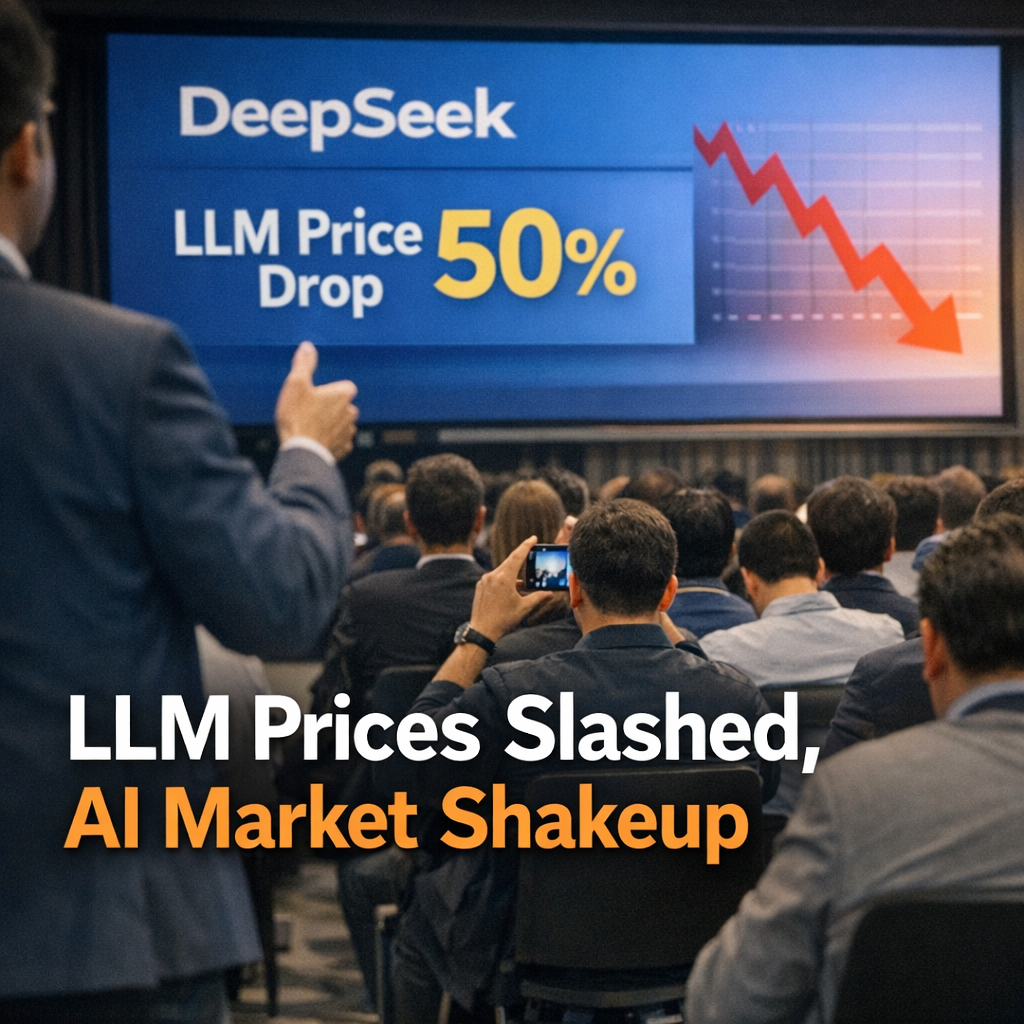
Enterprises now gain greater freedom to select providers or self-host models aligned with privacy, compliance, and latency requirements. Cost competitiveness—driven by open-source LLMs and cloud partnerships—shifts the economics of generative AI adoption, making it feasible at scale.
“Model selection is now a business-critical decision—performance, transparency, and cost directly shape product differentiation in AI-powered markets.”
What’s Next: The Future of Generative AI Competition
Experts anticipate further breakthroughs in multimodal capabilities and agent-oriented AI, as highlighted in the latest a16z report. Market dynamics suggest OpenAI’s first-mover edge is shrinking, as rivals accelerate product releases and enterprise integrations.
For AI professionals and founders, the message is clear: Stay agile, leverage ecosystem diversity, and focus on specialized value rather than relying solely on headline LLMs. The AI race is entering its most dynamic phase—one defined by practical impact, transparent benchmarking, and rapid iteration.
Source: TechCrunch