Google Workspace has undergone a significant transformation with the integration of Gemini, Google’s state-of-the-art generative AI model. For developers, startups, and AI professionals tracking advances in large language models (LLMs) and their enterprise applications, this update brings immediate, practical enhancements to productivity and collaboration tools.
Key Takeaways
- Gemini-powered features now permeate Google Workspace—bringing generative AI into Gmail, Docs, Sheets, Slides, Meet, and more.
- Real-time AI assistance enhances writing, research, and workflow automation, driving measurable efficiency gains across organizations.
- Developers and startups can build on Gemini via Workspace APIs, opening doors for third-party AI extensions and workflow customizations.
- Privacy and security remain central, as Google embeds Gemini functionality without compromising Workspace’s enterprise-grade safeguards.
- Google’s AI integrations intensify competition with Microsoft Copilot and other enterprise AI platforms.
Gemini Powers Workspace for All Users
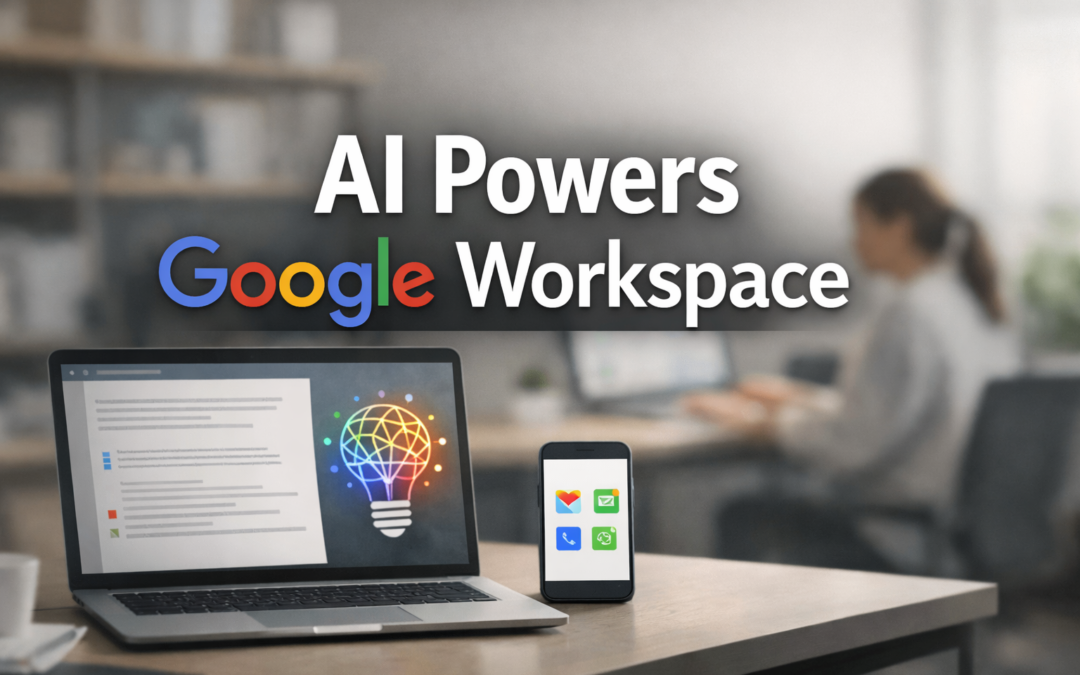
Google has infused Gemini, its most advanced LLM to date, across Google Workspace’s core apps. Workspace users can now leverage generative AI for drafting emails in Gmail, summarizing content in Docs, visualizing data in Sheets, automating presentations in Slides, and note-taking in Meet.
Gemini’s real-time user assistance is already changing how millions interact with productivity software.
Workspace Add-ons Get Smarter
Google announced Gemini integrations that go beyond simple prompts or text generation. Smart Compose in Gmail can now infer intent from cursory prompts (“Follow up on yesterday’s deadline”) and generate structured replies or even suggest next steps for project management. Google Docs has become a collaborative, context-aware research assistant, able to suggest facts, generate references, and align content with team objectives.
Implications for AI Developers and Startups
- APIs and Extensions: The Gemini API exposes key LLM-powered features, enabling devs to craft custom extensions or workflow automations. AI teams can quickly prototype integrations with existing Workspace environments—reducing development friction.
- Boost for SaaS Providers: Startups building AI-first productivity tools face a tougher competitive landscape but can leverage Workspace extensions to reach massive user bases instantly, particularly with Google’s robust security certifications.
- Data Privacy: Unlike some competitors, Google emphasizes data privacy—Workspace AI does not use customer data to train their general LLMs.
AI professionals must adapt fast as generative AI shifts from experimental tools to daily work essentials in the enterprise.
Competitive Context: Gemini vs. Microsoft Copilot
Microsoft’s Copilot has set a high bar in AI-powered office suites, but Google’s Gemini counters with broad feature coverage, robust performance, and tight integration across web and mobile platforms. Analysts highlight Gemini’s edge in prompt comprehension and collaborative suggestions, though Copilot still leads in ecosystem depth for Windows-native workflows (see The Verge for comparative insights).
Real-World Impact and Future Outlook
Enterprise adoption of Gemini-powered Workspace features has accelerated workflow automation, reduced repetitive tasks, and improved document management speeds. Early case studies (referenced by ZDNet) show teams saving hours weekly, particularly in communications-heavy roles.
The rapid rollout of generative AI in productivity suites signals a new era where LLMs underlie routine operations—not just R&D experiments. AI specialists expect further API exposure, domain-specific tuning, and augmented reality features as Google continues its Workspace investment.
Gemini’s AI innovations set a fresh competitive standard for real-world, accessible enterprise intelligence.
Conclusion
Gemini’s rollout across Google Workspace demonstrates how LLMs are no longer experimental—they are core to digital operations. Developers, startups, and AI specialists are seeing new opportunities and challenges as generative AI becomes essential to mainstream productivity environments.
Source: TechCrunch