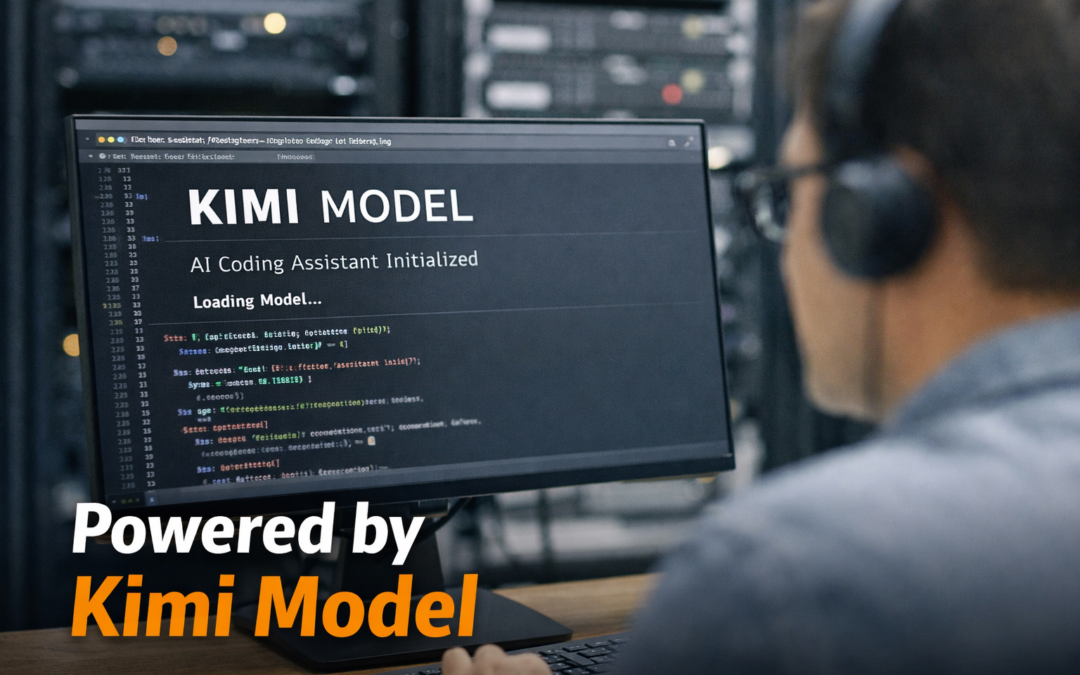
AI continues to accelerate the evolution of development tools, but transparency about model origins remains central to trust and innovation in the generative AI space. Cursor, a fast-growing coding assistant, recently acknowledged its code generation model leverages Moonshot AI’s Kimi large language model (LLM), igniting conversation around sourcing, licensing, and differentiation among AI-powered developer tools.
Key Takeaways
- Cursor publicly confirmed its new code generation model is built on Moonshot AI’s Kimi LLM.
- This revelation highlights the increasing trend of developer tools layering on top of foundation models from industry players.
- Transparency about underlying LLMs is becoming a critical factor for developers and enterprise buyers evaluating AI assistants.
- The news spotlights the rapid commoditization and integration movement in generative AI applications.
- Third-party AI infrastructure will shape which coding tools can remain differentiated in the market.
Background: Cursor, Moonshot AI, and Kimi
Cursor quickly climbed the ranks as a leading AI coding assistant tailored for software developers. It offers code suggestions, explanations, and contextual completions integrated into popular editors. Moonshot AI, a Chinese AI powerhouse, launched its Kimi model, earning attention for its multilingual capabilities and strong code-related performance. Cursor’s admission that its premium coding model leverages Kimi, rather than being fully proprietary, represents a notable moment for transparency within the AI tool ecosystem.
Analysis: Why This Matters for the AI Ecosystem
Cursor’s disclosure echoes a trend seen in recent months: many startups and coding tools rely on underlying foundation models instead of building their own from scratch. By integrating Kimi, Cursor can iterate quickly and deliver high-quality features. However, such dependencies introduce several implications:
“The ability to rapidly adapt third-party LLMs is leveling the technological playing field for emerging AI coding assistants.”
This approach drives both innovation and commoditization. As SemiAnalysis notes, the rise of Chinese LLMs like Kimi and Alibaba’s Qwen is creating new competitive pressure for traditional Western LLM providers and downstream toolmakers.
Implications for Developers, Startups, and Professionals
Developers and Teams
Transparent sourcing matters: Developers increasingly value knowing what powers their coding assistants for reasons of trust, reliability, security, and data governance. Cursor’s clarity is likely to become a best practice.
Model performance can vary quickly: Open competition between LLMs like Kimi, GPT-4, Qwen, and Claude means that AI tools can swap models as the landscape shifts, sometimes without user awareness—making proactive disclosure essential.
Startups and Tool Builders
Platform risk is real: When startups depend on third-party foundation models, they inherit both engineering velocity and supply chain risk. Model pricing, API stability, and licensing changes can threaten business models overnight.
Differentiation must go up the stack: As LLM APIs become commodities, value lies in curation, custom fine-tuning, and workflow-level integration—not just raw code generation.
AI Professionals and Investors
Market fragmentation will intensify: As highlighted by The Register, multiple LLMs from China, the US, and open-source players are competing globally, making it superior product experience and developer trust that will really matter for retention.
Verification and trust signals needed: End-users, academics, and enterprise buyers need consistent, verifiable model origin disclosures to assess AI tool quality and risk.
“Developers should demand clarity around model provenance, shaping a more transparent and trustworthy AI tooling landscape.”
The Road Ahead: Strategic Choices for AI Toolmakers
Cursor’s move reflects the broader trajectory of generative AI: the best tools increasingly orchestrate, enhance, and differentiate atop powerful—but not always homegrown—LLMs. As model choices multiply, clear communication will become a trust-building competitive advantage.
AI startups that blend transparency, superior user experience, and model-integrated innovation will lead the next wave of generative coding platforms.
Source: TechCrunch