Apple Music is making a strategic shift in AI transparency, now requiring metadata tags to indicate tracks with AI-generated or AI-assisted content. This move is set to impact how artists, listeners, and developers engage with music on the platform, reflecting a growing trend of disclosure as generative AI reshapes content creation.
Key Takeaways
- Apple Music will label music containing AI-generated or AI-assisted elements with dedicated metadata tags.
- This policy aims to improve transparency for consumers and support fair attribution for creators.
- Similar AI-content disclosure requirements are emerging across major music streaming companies, signaling an industry-wide shift toward responsible AI integration.
- The update presents new challenges and opportunities for AI developers, rights management platforms, and digital distributors.
Understanding Apple’s New Metadata Requirement
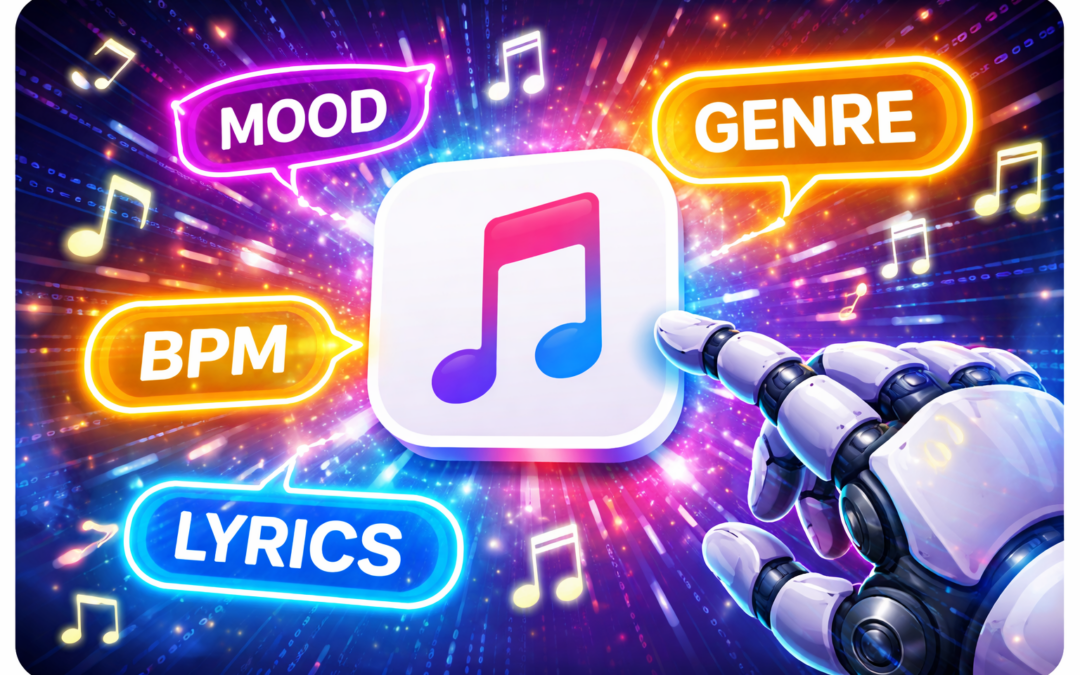
Apple Music has notified its music distributor partners to prepare for new submission guidelines that require tracks to be tagged if they contain AI-generated vocals, instrumentals, or AI enhancements. According to reports from Music Business Worldwide, the company aims to help users and the industry clearly distinguish between what is human-made and what AI has created or altered.
This is a major step toward transparency, empowering listeners to make informed choices about the origins of the music they consume.
Implications for Developers and AI Innovators
For developers working on generative AI tools, Apple Music’s policy change means direct integration of accurate metadata tagging into production workflows. Technologies like large language models (LLMs) and music-generation AI will now require precise traceability and documentation of human versus machine contributions.
Developers must prioritize metadata compliance to ensure AI-generated tracks can be distributed to Apple Music and similar major platforms.
This advancement also encourages the development of audio fingerprinting and AI detection tools as demand for content provenance verification intensifies.
Strategic Considerations for Startups and Rights Management
Music-tech startups must align with the new metadata requirements, updating their submission APIs and backend systems. For AI startups offering music creation tools, seamless integration of tagging features becomes essential. Additionally, startups in rights management will see elevated demand for solutions that can verify, audit, and track the use of AI in musical works. The competitive landscape is shifting: platforms that facilitate compliance and fair attribution will gain a significant advantage.
Industry-Wide Movement toward Transparent AI Attribution
Apple Music is not alone. Spotify recently announced similar efforts to label AI-generated music, responding to both industry calls and legislative scrutiny about the authenticity of creative works. The Variety and The Verge follow-up coverage confirms this cross-industry shift, reflecting the growing influence of AI in shaping music and media markets. As generative AI adoption accelerates, disclosure and transparency remain foundational pillars for trust and responsible innovation.
The push for explicit AI content labeling will set new standards for digital distribution, reshaping how creators and consumers interact with AI-powered content.
What This Means for AI Professionals
AI practitioners in the music space must anticipate evolving regulatory and platform requirements regarding disclosure. By staying ahead of compliance, AI professionals and data scientists can focus on building ethical, future-proof solutions. Additionally, access to metadata-driven datasets enables deeper analytics and model refinement, fueling innovation in generative audio and content authenticity.
Final Thoughts
As Apple Music and other streaming leaders embrace metadata tags for AI-generated music, the standard for AI disclosure solidifies across creative industries. This move balances innovation with accountability, empowering developers, startups, and AI professionals to play a central role in the transformation of digital music ecosystems.
Source: 9to5Mac