Anthropic, a leader in generative AI models, just made headlines by hiring renowned philosopher Peter Railton to guide its Claude AI assistant on issues of morals and digital etiquette. This move underscores the growing importance of integrating ethical frameworks into large language models (LLMs), reflecting rising public and regulatory expectations around AI alignment and responsible deployment.
Key Takeaways
- Anthropic brings philosophy expertise in-house, hiring Peter Railton to train Claude AI on ethics.
- The AI sector now prioritizes moral reasoning and safer user experiences in generative AI development.
- Integrating humanities disciplines into AI research shapes a more robust and responsible future for LLMs.
Why Anthropic Hired a Philosopher
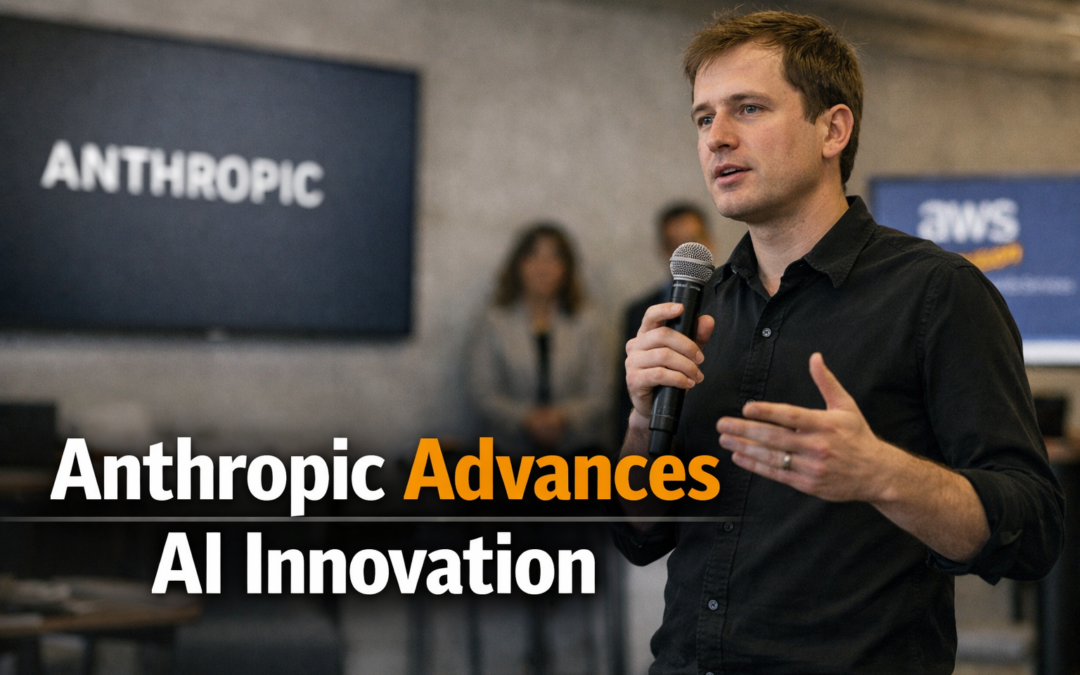
Anthropic’s decision follows a trend seen at OpenAI and Google, where high-profile ethicists and humanities scholars join engineering-dominated teams. According to The Washington Post and Semafor, Anthropic believes Railton’s deep experience in moral philosophy can help Claude AI understand complex aspects of human interaction, ensuring responses feel respectful, nuanced, and fair.
“Building ethical AI isn’t just about code — it hinges on giving models genuine moral grounding rooted in human values.”
Implications for Developers and Startups
AI professionals and startups should recognize that deploying impactful LLMs now demands ethical foresight as much as technical capability. Anthropic’s step raises the bar for industry standards:
- User trust and compliance: Embedding moral reasoning directly into generative AI can help platforms address regulatory risks, meet global compliance standards, and build long-term user trust.
- Multi-disciplinary teams: The move signals that AI startups can differentiate and future-proof by bringing philosophers, sociologists, and other humanities experts into product conversations early.
- Designing with context and empathy: As LLMs like Claude interact in increasingly diverse, sensitive, or ambiguous scenarios, models must demonstrate contextually aware “manners” to ensure responsible results and healthy user engagement.
“Startups embracing ethical design principles and interdisciplinary expertise will lead in the next wave of trustworthy generative AI tools.”
Generative AI’s Next Step: Moral Intelligence
For developers, Anthropic’s investment in moral philosophy means AI APIs, chatbots, and language assistants may soon offer more socially attuned, responsible interactions by default. This could limit reputational and legal risks associated with generative AI hallucinations, bias, or misuse.
Simultaneously, investors and enterprise customers may increasingly expect concrete evidence of ethics-by-design and transparency in AI models.
Conclusion
Anthropic’s hiring of Peter Railton exemplifies how generative AI development has entered an era where responsible, ethical alignment moves from aspiration to necessity. The intersection of humanities and AI is not just a trend — it’s emerging as best practice. AI builders must now consider moral nuance as a core engineering challenge, not a footnote.
Source: India Today