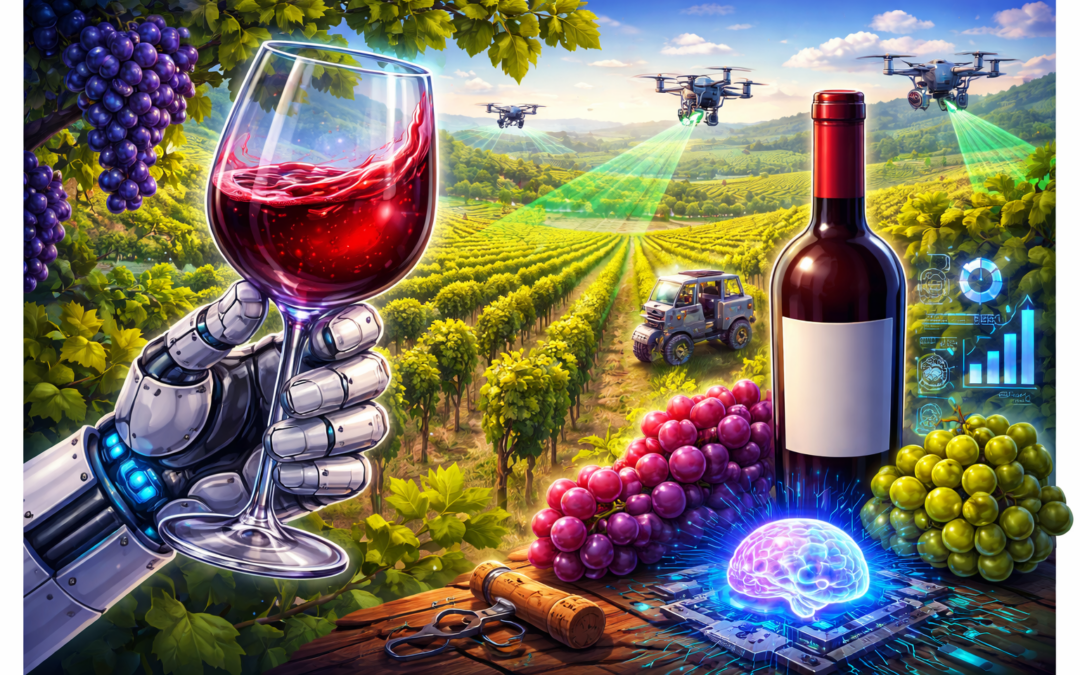
AI technologies are rapidly transforming the wine industry, unlocking major benefits and raising new concerns. From vineyard automation to quality predictions using LLMs, advancements in generative AI are disrupting traditional methods, creating immense opportunities for startups and established wineries alike.
Key Takeaways
- AI-powered solutions now optimize vineyard management, automate harvesting, and predict wine quality with unprecedented accuracy.
- Generative AI models, including advanced LLMs, streamline grading and yield forecasting, offering massive efficiency improvements.
- Emerging concerns include data security, loss of artisanal skills, and transparency about AI’s role in wine production.
- Developers and startups stand to benefit from this AI revolution, but must navigate regulatory and ethical challenges as adoption grows.
AI Disrupts Traditional Wine Production
Wine producers globally are embracing cutting-edge AI applications to address classic industry hurdles. According to National Today and recent coverage from Wine Industry Advisor, these AI tools now automate vital processes including grape sorting, disease detection, and yield prediction.
“Vineyards leveraging generative AI and LLMs see increased yields and significant cost savings while improving quality control at every stage.”
Tech giants and startups alike provide sensor-integrated platforms that analyze soil, weather, and vine health data in real time. These innovations help winemakers make informed irrigation decisions, prevent disease outbreaks, and optimize harvest timing—critical factors in wine quality and profitability.
Generative AI and LLMs: Core to the Future of Smart Vineyards
Large language models (LLMs) now play a crucial role, enabling natural language interfaces for non-technical vineyard managers. As highlighted by Decanter, generative AI tools help users query data, flag production anomalies, and even generate tailor-made forecasts for each plot or grape variety. This democratization of AI power marks a significant leap in operational intelligence and collaboration between humans and machines.
“Developers building AI tools for viticulture must balance accuracy, usability, and transparency to earn user trust.”
Opportunities and Ethical Concerns
While automation offers clear benefits, industry experts warn about new risks. Data privacy, cybersecurity, and algorithmic bias could threaten both vineyard operations and consumer confidence if not addressed proactively, as Forbes reports. There is also debate around preserving traditional winemaking skills and identity as AI systems play a larger creative role.
Strategic Implications for Developers, Startups, & AI Professionals
- Developers should focus on interoperable, explainable AI models to foster wider adoption in legacy-heavy environments.
- Startups can capitalize on niche solutions, such as AI-driven sustainability monitoring or authenticity verification for premium brands.
- AI professionals must remain up-to-date on both winery business needs and emerging regulations, ensuring compliance and robust governance.
“AI’s rise in winemaking is not just a technological upgrade; it’s a redefinition of legacy value chains.”
The AI-driven transformation of wine production mirrors broader shifts across traditional sectors. Those innovating responsibly in this space will shape the industry’s next evolution.
Source: National Today, Decanter, Forbes