Advancements in robotics and AI continue to blur the lines between science fiction and reality, as new technologies enable machines to understand, interact, and create in ways previously reserved for humans. The latest developments in generative AI, robotics, and model integration underline a pivotal moment for tech enthusiasts monitoring the rise of practical, creative autonomous agents.
Key Takeaways
- Robotics has reached a turning point with the integration of generative AI models that enable robots to process language, vision, and movement in harmony.
- New AI models allow robots to interpret open-ended, human-like instructions and perform complex, multifaceted tasks—like assembling a “robot snowman”—with minimal direct programming.
- Unified large language models (LLMs) bridge gaps between perception, reasoning, and manipulation—setting the stage for real-world, task-based agent autonomy.
- These developments impact not just research, but also productization, with implications for startups, developers, and AI professionals building the next generation of hardware and software.
Integrating Multimodal AI into Robotics
Recent breakthroughs, as highlighted by TechCrunch’s deep-dive into robot learning, show how leading teams leverage generative AI—including multimodal LLMs like OpenAI’s GPT-4 and Google’s Gemini—to enable robots to comprehend and act on natural language prompts. Instead of only following pre-programmed routines or relying on limited sensors, robots now draw from vast, integrated neural networks that fuse visual, tactile, and linguistic data.
“Robots equipped with generative AI can interpret the world more like humans—understanding intent, context, and subtle nuances within spoken or written instructions.”
AI-Powered Robots in Real-World Tasks
Recent demonstrations—such as instructing a robot to build a snowman without explicit step-by-step guidance—showcase how multimodal AI allows robots to:
- Analyze their environment using cameras and sensors
- Interpret high-level user commands through natural language
- Plan and autonomously sequence sub-tasks
- Interact safely and efficiently with physical objects
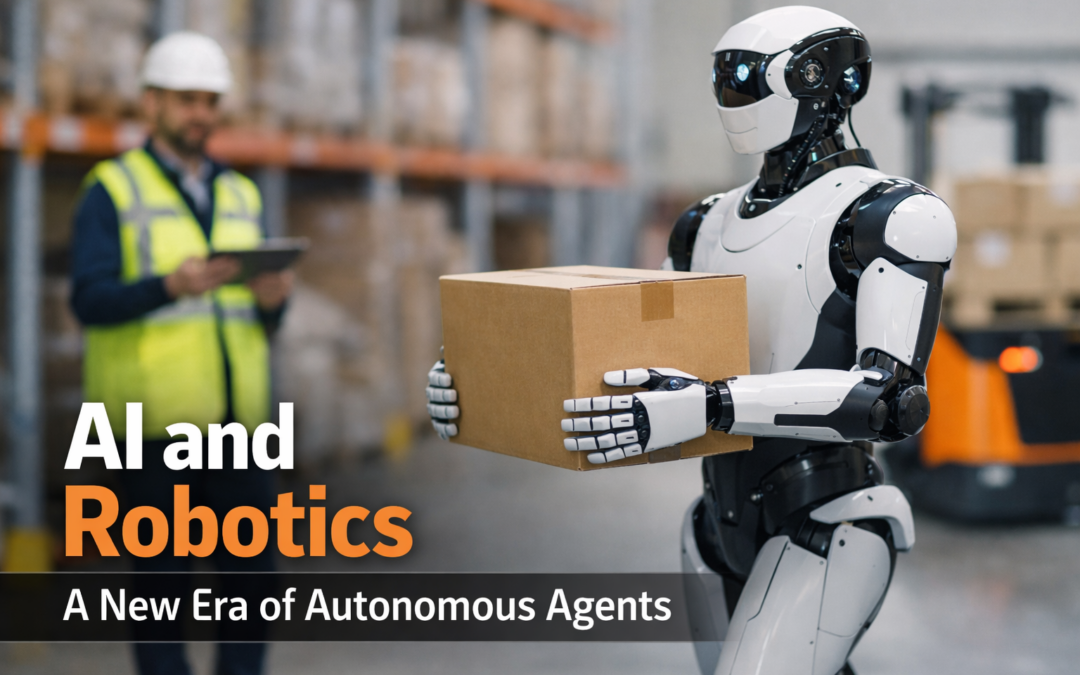
This level of autonomy transforms robotics from scripted automation to dynamic, generative problem solving—bringing broader applicability outside the lab, from logistics warehouses to home assistants.
Implications for Developers, Startups, and AI Professionals
The synthesis of generative AI and robotics fundamentally reshapes how developers and companies approach robot design:
- Reduced development barriers: LLM-powered robots require less manual coding for each new task, streamlining development and lowering entry costs for startups.
- Agility in prototyping: AI-driven modular architectures enable rapid iteration, crucial for product-market fit and responsiveness to customer needs.
- Focus on safety and reliability: As task complexity grows, robust testing and ethical AI alignment become core priorities for deployment at scale.
“These innovations democratize robotics. Startups can now create versatile, context-aware robots faster and with fewer resources.”
The Road Ahead: Generalist Agents and AI-First Robotics
As models mature, the vision is clear: assistant robots that can flexibly learn new skills or environments—be it assembling furniture, sorting recyclables, or building playful snowmen—by simply conversing with users. Such advances will only accelerate as AI models improve in reasoning, adaptation, and self-supervised learning.
Developers, startups, and AI researchers should actively monitor multimodal LLM development and open-source initiatives, while prioritizing strong data pipelines, sensor integration, and human-in-the-loop validation.
“The evolution of AI-powered robotics signals a new era where machines collaborate, create, and problem-solve alongside humans.”
For a deeper look at this rapidly evolving space, including real-world demos and expert insights, visit:
Source: TechCrunch