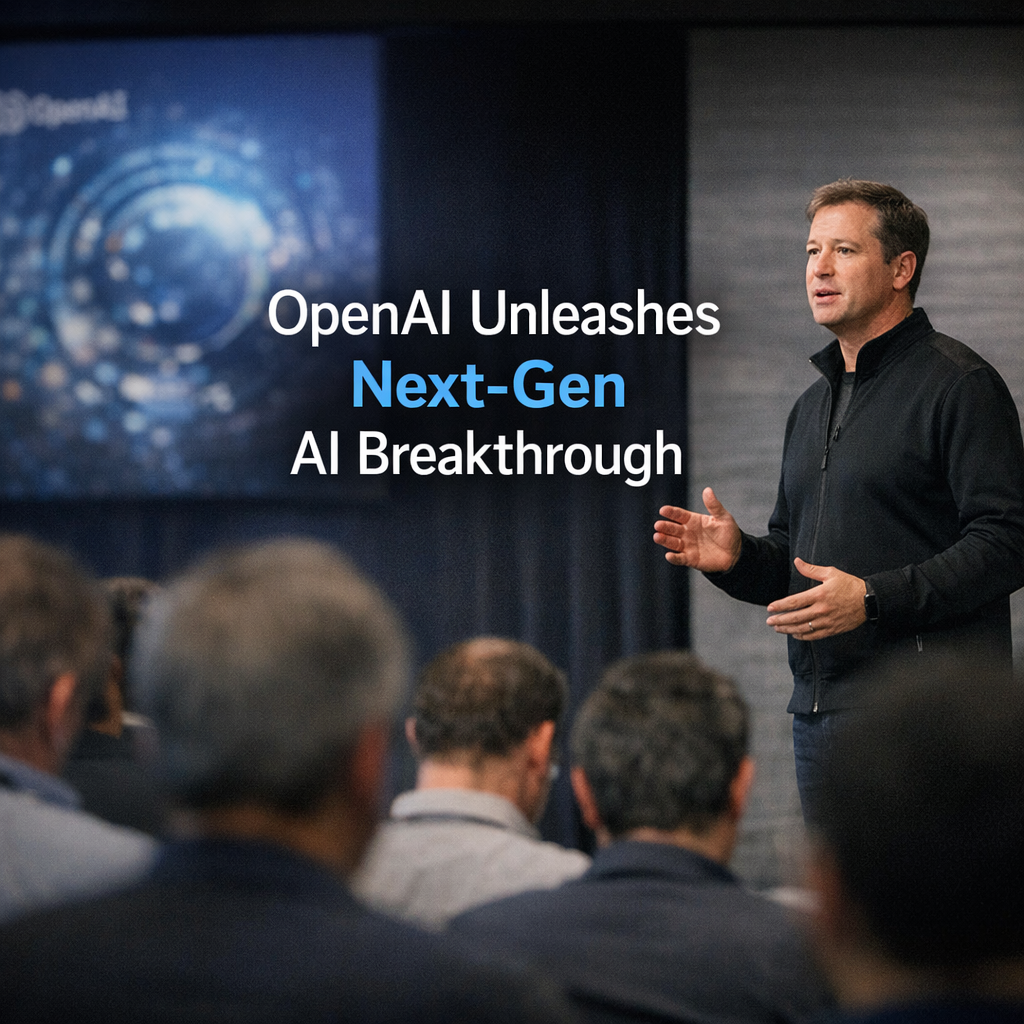
OpenAI, the AI giant behind ChatGPT and industry-defining LLMs, is reportedly accelerating its path toward an IPO, with potential plans for a public debut as early as September 2026. The unprecedented interest in generative AI and enormous valuation stakes promise to make the OpenAI IPO a landmark event for developers, startups, and the broader technology sector.
Key Takeaways
- OpenAI is actively preparing for a potential IPO, tentatively targeting September 2026.
- The company’s surging revenue, driven by enterprise adoption of generative AI tools, has attracted major investor attention.
- An IPO could rapidly reshape the competitive landscape for AI, affecting funding and opportunity for startups and incumbents alike.
- Transparency and governance—previously points of concern—remain in the spotlight as OpenAI moves toward public scrutiny.
OpenAI’s Rapid Ascent Toward IPO
Multiple sources now confirm that OpenAI is in advanced discussions with top investment banks, and has begun significant groundwork for a public offering. The surge in enterprise demand for LLMs and generative AI solutions has catapulted its revenue to an annualized $3.4 billion, making OpenAI one of the fastest-growing technology firms in history. With internal share sales recently valuing the company north of $80 billion, OpenAI stands at the intersection of massive market appetite and investor enthusiasm.
“An OpenAI IPO could trigger a re-rating for the entire AI sector, setting new benchmarks in valuation, funding, and technical expectations.”
What the IPO Means for Developers and Startups
The effects of a public OpenAI could ripple throughout the entire AI ecosystem:
- Access and Ecosystem: Increased capital could accelerate OpenAI’s push into developer tools and APIs, potentially lowering barriers for building atop advanced LLMs like GPT-5 and DALL-E 4.
- Marketplace Dynamics: Competitors—including Anthropic, Cohere, and Google DeepMind—will feel new pressure to speed up their monetization strategies, platform development, and partnerships.
- Funding Impacts: Startups in the generative AI space might face higher expectations from VCs, as OpenAI’s public financials set new standards for monetization and scale.
Enterprise Adoption and Technical Roadmap
Corporate spending on AI—especially in sectors like finance, healthcare, and logistics—continues to climb. OpenAI’s partnership with Microsoft offers significant advantages, pushing its models deeper into business and productivity solutions. As OpenAI prepares for IPO, the company’s roadmap points to even broader API access, model upgradability, and robust safety alignment tools.
“Enterprise adoption will likely accelerate post-IPO, catalyzing even larger datasets, smarter models, and more rigorous compliance features.”
Governance and Open Questions
Analysts continue to spotlight OpenAI’s unique hybrid structure—part nonprofit, part capped-profit. The transition toward public markets will force new clarity on board governance, leadership, and the company’s approach to transparency. Investor scrutiny will intensify as the market demands detailed insight into model risks, data security, and deployment safeguards.
Future Implications for the AI Industry
OpenAI’s IPO marks a pivotal moment. Beyond the headline valuation, the move signals a maturing AI industry that must balance breakneck innovation with public trust and regulatory demands. The next year will reveal if OpenAI can translate its technical dominance into sustainable, publicly accountable growth—and what new tools, standards, and opportunities that might create for the global AI community.
The coming IPO will not only generate capital but could also ignite a shift in how businesses, regulators, and developers engage with generative AI platforms at scale.
For more on this unfolding story, see related coverage from Bloomberg and Reuters.
Source: TechCrunch