- OpenAI is rumored to be developing an AI-powered smartphone, redefining mobile interactions through generative AI agents.
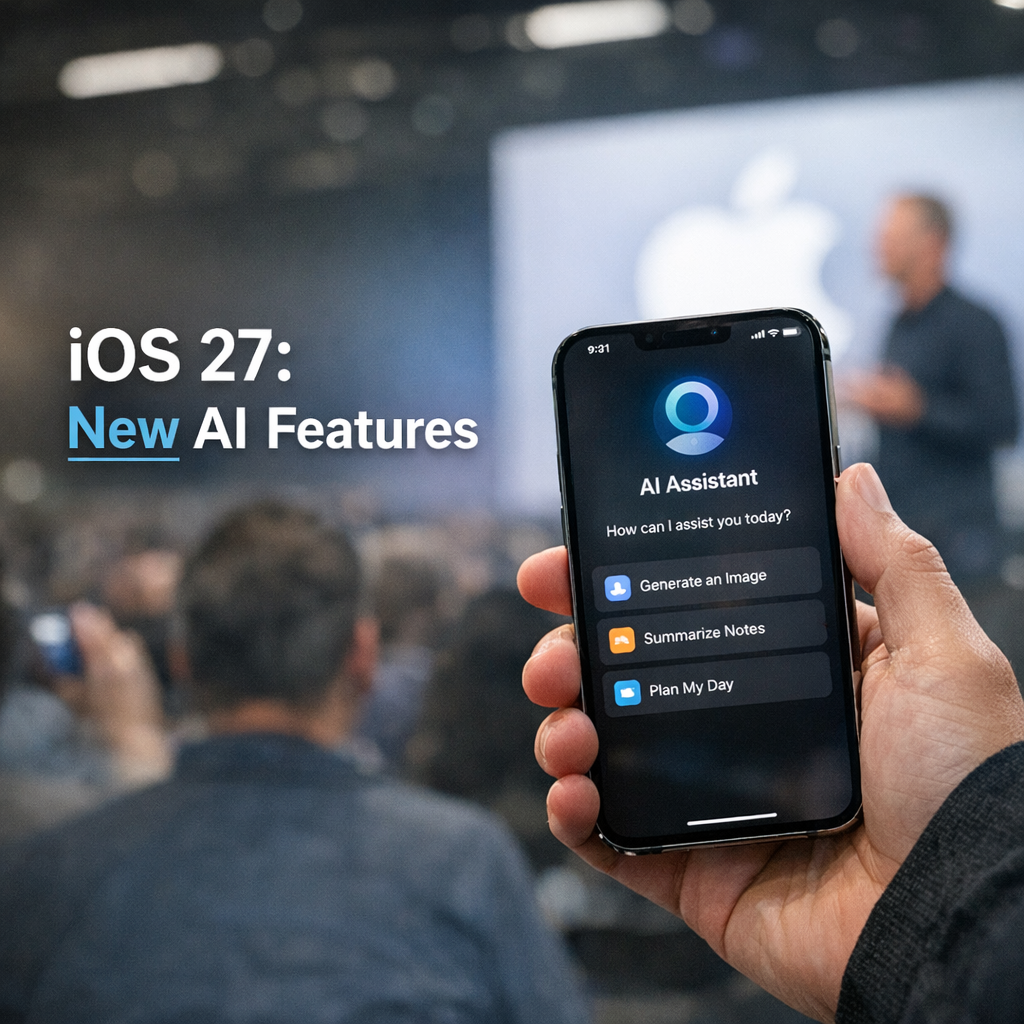
- AI agents may replace traditional apps, enabling users to accomplish tasks via natural language and context-aware interactions.
- OpenAI’s collaboration with ex-Apple designer Jony Ive and SoftBank could yield groundbreaking hardware and user experiences.
- This move signals a disruptive shift for developers, startups, and the broader AI ecosystem.
Generative AI continues to reshape everyday technology, and OpenAI’s reported exploration of a dedicated AI-driven smartphone could mark a pivotal moment in human-device interaction. Emerging details show OpenAI may develop a powerful, user-centric device that leverages large language models (LLMs) to power everything from productivity to communications—without relying on conventional app stores. This signals steep competition for established mobile players and vibrant new opportunities for the AI community.
Key Takeaways
- OpenAI is considering an AI-centric phone that integrates generative agents at the core of the user experience, bypassing traditional app silos.
- The rumored partnership with Jony Ive as design lead and SoftBank as a key investor hints at highly innovative, user-focused hardware.
- This development could redefine the way users interact with their devices—moving from tapping icons to conversing with intelligent digital assistants.
What Makes OpenAI’s Approach Different?
Unlike typical smartphones, OpenAI’s rumored device appears poised to make AI agents the central mode of interaction. Industry reporting from The Verge and Bloomberg corroborates TechCrunch’s coverage, emphasizing that OpenAI wants users to access services and accomplish daily tasks simply by conversing with the device—no clunky navigation or multiple apps required.
“OpenAI’s vision could usher in a paradigm shift: smartphones powered by LLMs and AI agents, where traditional apps become obsolete.”
Implications for AI Developers and Startups
This hardware push may create entirely new kinds of platform dynamics:
- Developers can build task-oriented micro-services or conversational agents instead of standard apps, unlocking new markets for AI capabilities.
- Startups have the chance to innovate faster by focusing on AI-driven experiences, rather than working within the strictures of legacy mobile OSes.
- LMM and generative AI professionals must tune models for context-awareness and privacy, since real-time, on-device AI decisions are critical to user trust and safety.
“Developers should prepare for a world where conversational interfaces, not app-downloads, define the user journey.”
Challenges and Competitive Landscape
Building an AI-first phone is ambitious. It faces challenges in privacy, data processing, and hardware-software co-design. Apple and Google dominate hardware plus software ecosystems today, but OpenAI’s deep expertise in LLMs, paired with Jony Ive’s design acumen, could tip the scales in favor of differentiated experience. Even so, questions remain around battery life, on-device inference, and incentives for developers to build outside Apple’s or Google’s app stores.
The Road Ahead for Generative AI in Devices
If successful, OpenAI’s phone could herald new standards in privacy, personalization, and natural interaction. Analysts at CNBC predict this will pressure incumbents to further integrate AI at the foundational level—well beyond current voice assistants. As major investors and top talent coalesce around this project, the implications for consumers, developers, and AI professionals are immediate and transformative.
“The next wave of mobile innovation will be conversational, deeply personal, and powered by AI agents, not app stores.”
Source: TechCrunch