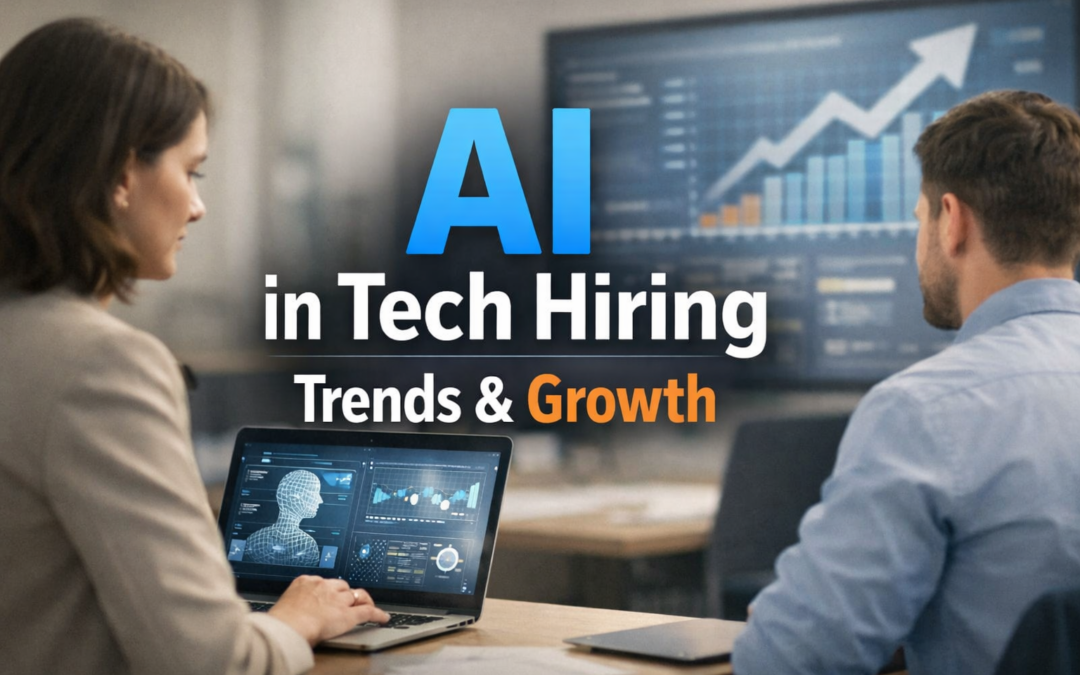
The rapid rise of AI and generative AI tools often sparks fears about job losses and hiring freezes in the tech ecosystem. However, fresh analysis from LinkedIn and coverage from leading publications reveal a more nuanced reality: AI adoption isn’t solely responsible for the current decline in tech hiring trends.
Key Takeaways
- LinkedIn data shows AI, including tools like LLMs, is not yet the primary cause behind current reductions in tech hiring.
- Macroeconomic shifts, not generative AI, remain the dominant factor impacting hiring slowdowns, according to multiple analyses.
- AI hiring continues as demand rises for machine learning, prompt engineering, and AI solution integration roles.
- Cautious adoption and increased productivity offered by AI reshape workforce needs, but do not drive widespread layoffs overall.
AI’s Real Impact on Tech Hiring Trends
Despite persistent speculation about large language models (LLMs) automating white-collar work and eliminating developer roles, recent LinkedIn Economic Graph data highlights a bigger picture.
“AI-driven automation is not yet the main driver behind hiring trends – macroeconomic forces still play a bigger role in declining tech job openings.”
Industry experts point to inflation, cost containment, and post-pandemic market shifts as major contributors to slowdowns in hiring. Coverage by the Wall Street Journal and Bloomberg corroborates these findings, citing continued investment in AI-focused roles but tighter spending on non-essential hiring.
Opportunities for AI Professionals and Startups
The adoption of generative AI, while triggering some realignments, actually boosts demand in several segments:
- Machine learning engineers and AI infrastructure architects remain among the most actively recruited positions.
- Startups specializing in applied AI, custom LLM integration, and AI safety draw strong interest from employers and investors. Forbes highlights that AI startups now lead in VC deal volumes in 2024.
- Roles focused on data privacy, AI ethics, and model interpretability see growing relevance.
“Developers and AI professionals who adapt their skill sets to harness generative AI and LLMs retain strong job security despite macroeconomic shifts.”
How Generative AI Reshapes Workforce Needs
While AI streamlines operations and automates repetitive workflow, companies still require human oversight, decision-making, and model training expertise. McKinsey’s recent research emphasizes that successful organizations adopt “AI + human” hybrid teams for productivity and innovation, rather than seeking purely staff-cutting automation.
Key implications:
- AI fluency increasingly becomes a baseline requirement for developers, product managers, and tech leads.
- Startups able to rapidly prototype new AI services enjoy a market edge, especially in B2B SaaS and vertical-specific solutions.
- AI adoption amplifies productivity, prompting shifts in role definitions rather than outright job cuts at scale.
Strategic Takeaways for Developers & AI Stakeholders
Staying relevant in the evolving landscape requires upskilling around prompt engineering, LLM evaluation, and ethical AI deployment. Developers who proactively adopt generative AI in workflows and maintain cross-functional knowledge lead hiring pools.
“The narrative that generative AI is causing tech job decline is overstated—real growth opportunities continue for those who embrace new tools and adapt to transformation.”
Organizations and tech professionals should view the current hiring environment not as an AI-induced cliff, but as a call to agile skills development and innovation in real-world AI applications.
Source: TechCrunch