- Microsoft accelerates development of autonomous AI agents similar to OpenAI’s OpenCLaw.
- The new project aims to automate complex real-world tasks across digital and physical environments.
- Key implications for enterprise automation, smart workflows, and developer frameworks.
- AI agents expected to disrupt traditional software paradigms and drive innovation for startups and professionals.
- Industry observers see this as a critical marker in the race toward practical, general-purpose AI agents.
Microsoft is intensifying its efforts in the field of AI agents with a new project reportedly modeled after OpenAI’s OpenCLaw. According to TechCrunch and corroborated by reporting from VentureBeat and The Verge, the technology giant is tapping into next-gen generative AI to enable autonomous agents that interact seamlessly with both apps and the physical world. This move places Microsoft at the forefront of the competition to deliver AI tools capable of replacing traditional automation scripts, RPA bots, and even some conventional software products.
Key Takeaways
- Microsoft is developing advanced autonomous agents similar to OpenCLaw, targeting both virtual and real-world applications.
- Expect rapid progress in integration with Office, Dynamics, Azure, and IoT platforms.
- Such agents promise to lower barriers for enterprise automation and spark startup innovation.
- The push redefines competition in generative AI, LLM-based workflows, and agentic frameworks.
Autonomous AI Agents: Pushing the Boundaries
Unlike earlier digital assistants or chatbots, Microsoft’s in-development agent aims to autonomously execute entire task chains—such as booking travel, managing workflows, or even actuating IoT devices—without step-by-step prompts from users. Reports indicate this agent will expand on the OpenCLaw architecture, which leverages large language models (LLMs), multitool orchestration, and real-time API integrations. Microsoft’s expertise with Copilot, recent investments in OpenAI, and Azure AI infrastructure give it a clear edge in agent deployment at scale.
“Microsoft’s push to democratize autonomous AI agents signals a paradigm shift: practical AI agents could soon become standard tools for both enterprises and startups.”
Developer and Startup Implications
For developers, this project unlocks opportunities to build, extend, and monetize agentic capabilities through plug-and-play APIs and cross-platform integrations. Startups in verticals such as finance, logistics, cybersecurity, and healthcare can deploy customizable agents that automate specialized workflows or customer interactions—without building LLM logic from scratch.
- Developer ecoystem set for disruption: Autonomous agents will require new frameworks, sandboxing methods, and ethical guardrails. Developers need to shift toward agent-centric design, prompt engineering, and security-by-default.
- Startups positioned to leverage agentic AI: Early-stage companies can rapidly prototype, test, and scale vertical-specific AI agents by building on Microsoft’s upcoming agent framework.
Broader Industry Impacts and Risks
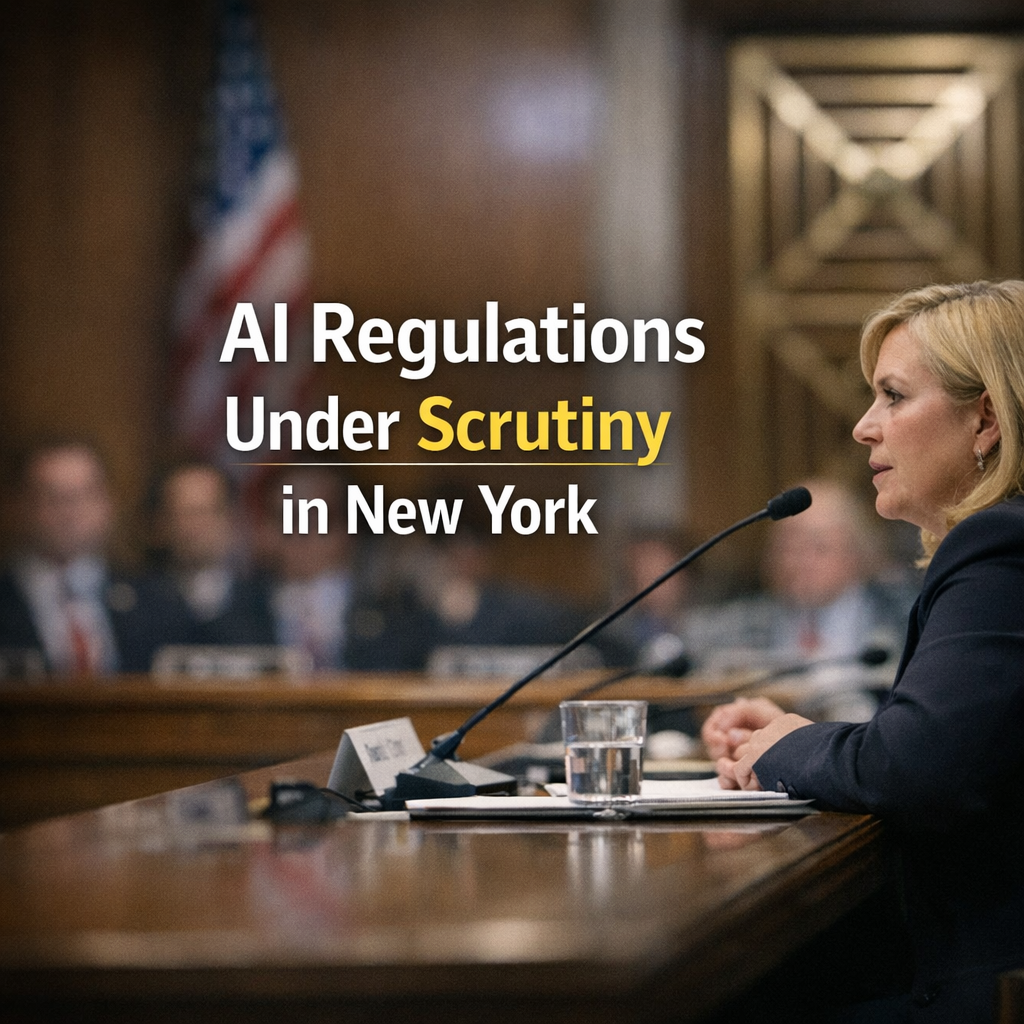
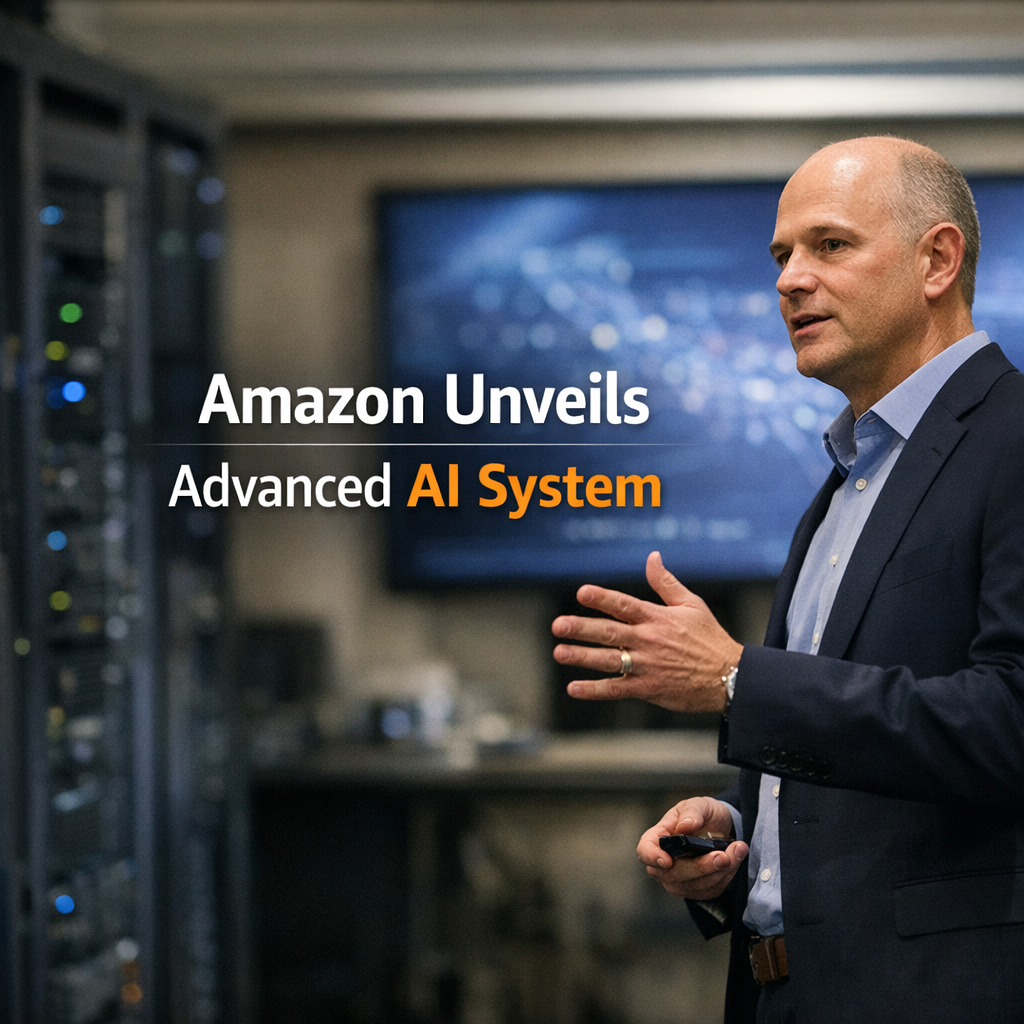
Industry experts from The Verge and VentureBeat note that this agentic push challenges Google’s Gemini and Amazon’s Alexa LLM developments, raising the bar for general-purpose intelligence in enterprise settings. The combination of LLMs, multi-modal reasoning, and actuators marks a decisive move toward fully autonomous digital workers. However, the industry must closely monitor risks around agent alignment, data privacy, and reliability.
“As generative AI matures, autonomous agents are set to rewire entire business processes—impacting everything from DevOps to customer support.”
What Comes Next?
Microsoft’s entry into the autonomous agent field will likely accelerate releases from rivals and drive the creation of standardized agentic architectures. AI professionals, product owners, and CTOs should prepare for integration scenarios that move beyond simple-task completion toward persistent, self-optimizing AI entities embedded in enterprise systems.
- Enterprises: Begin evaluating internal scenarios for agent deployment (e.g., 24/7 help desks, automated compliance checks, smart scheduling).
- Developers: Monitor Microsoft’s SDK releases, documentation updates, and agentic API guidelines. Start experimenting with NLU, action models, and orchestration logic.
- Startups: Strategically invest in AI agent capabilities for workflow, process automation, and customer engagement to capture early market mover advantages.
AI agents will be the catalytic force in next-gen automation, redefining the boundaries between software and active decision-making.
Source: TechCrunch