Amazon Web Services (AWS) has invested billions in both Anthropic and OpenAI, two leading players in the generative AI arena. This dual strategy signals AWS’s intention to stay at the forefront of AI by partnering with multiple innovators — aiming to offer customers flexible, best-in-class large language models (LLMs) and tools. The move raises questions about conflicts of interest and long-term developer implications, but AWS leadership has addressed these transparently in recent interviews.
Key Takeaways
- AWS has made significant investments in both Anthropic and OpenAI to bolster its AI offerings.
- The company focuses on providing a diverse, partner-rich ecosystem of generative AI models.
- Leadership claims that supporting multiple AI startups is a competitive advantage, not a conflict.
- Developers and startups benefit from broader model choices and reduced vendor lock-in on AWS.
- This multi-pronged strategy shapes the LLM market and accelerates AI adoption on AWS infrastructure.
Why AWS Backs Competing LLM Providers
“AWS’s dual investments let it hedge bets in the fast-evolving generative AI market, sidestepping single-model dependency.”
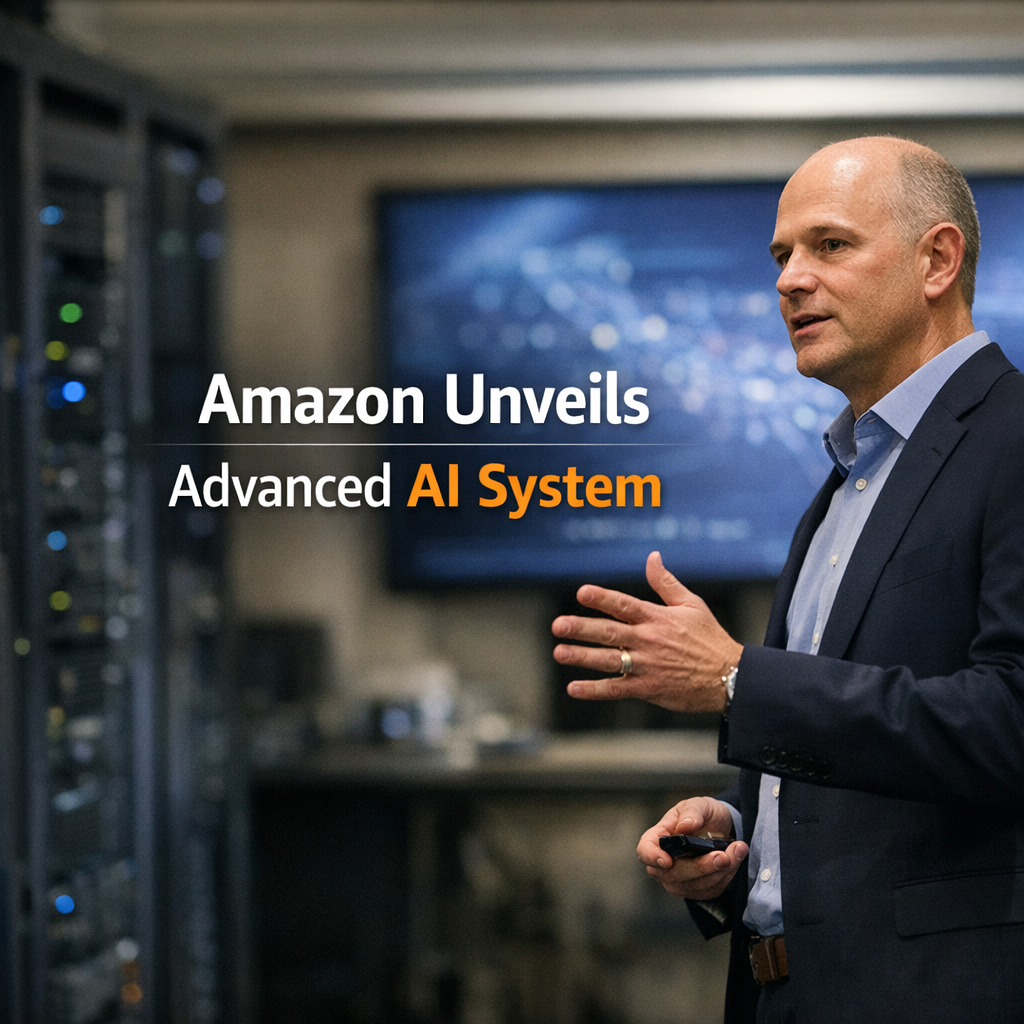
Historically, cloud providers aligned closely with select AI startups. AWS’s decision to invest deeply in both Anthropic and OpenAI marks a departure from such exclusivity. Recent statements by AWS CEO Adam Selipsky (TechCrunch) emphasize customer obsession: AWS aims to deliver the richest variety of commercial generative AI models on the market.
Both CNBC and Fortune report that AWS wants to avoid “lock-in” and believes customers value choice over exclusivity. Investing in more than one LLM provider means AWS customers can pick models tailored for their unique use cases — from advanced chatbots to tailored enterprise AI solutions.
Developer and Startup Implications
For startups and enterprises, AWS’s approach allows access to an array of LLMs like Claude, GPT-4, and other generative AI models — all with powerful integration tools and enterprise-ready APIs.
Developers can experiment, benchmark, or deploy models without costly migrations or major workflow changes. This flexibility translates to faster innovation, reduced technical risk, and better pricing leverage.
AWS’s strategy also aligns with current industry momentum to build “model gardens” or marketplaces aggregating diverse AI solutions (Reuters). By enabling access to both Anthropic’s Claude family and OpenAI’s GPT models, AWS draws independent AI talent and cutting-edge startups onto its cloud, growing the available toolkit for every developer.
Competitive and Ecosystem Impact
Major cloud providers compete intensely for dominance in generative AI. Microsoft maintains a close partnership with OpenAI (including direct infrastructure investments), while Google Cloud backs Anthropic as well as develops its own Gemini LLMs. AWS now signals that success lies in fostering a healthy, pluralistic ecosystem — not locking customers into a single partner.
This competitive move raises the bar for versatility and innovation across cloud AI services.
Expect other players to follow suit, accelerating modularity and interoperability across platforms. This shift heralds a new era of open, composable AI: developers, data scientists, and enterprises gain more options, better integration, and richer innovation pipelines.
Conclusion
AWS’s investments in multiple leading LLM startups both reflect and shape the future of cloud-based generative AI. By prioritizing customer flexibility and broadening its AI partner base, AWS positions itself as a leader in the global AI ecosystem — one where choice, transparency, and rapid iteration become industry standards. For every developer, startup, and AI professional, this multi-LLM era promises easier experimentation and accelerated go-to-market cycles.
Source: TechCrunch