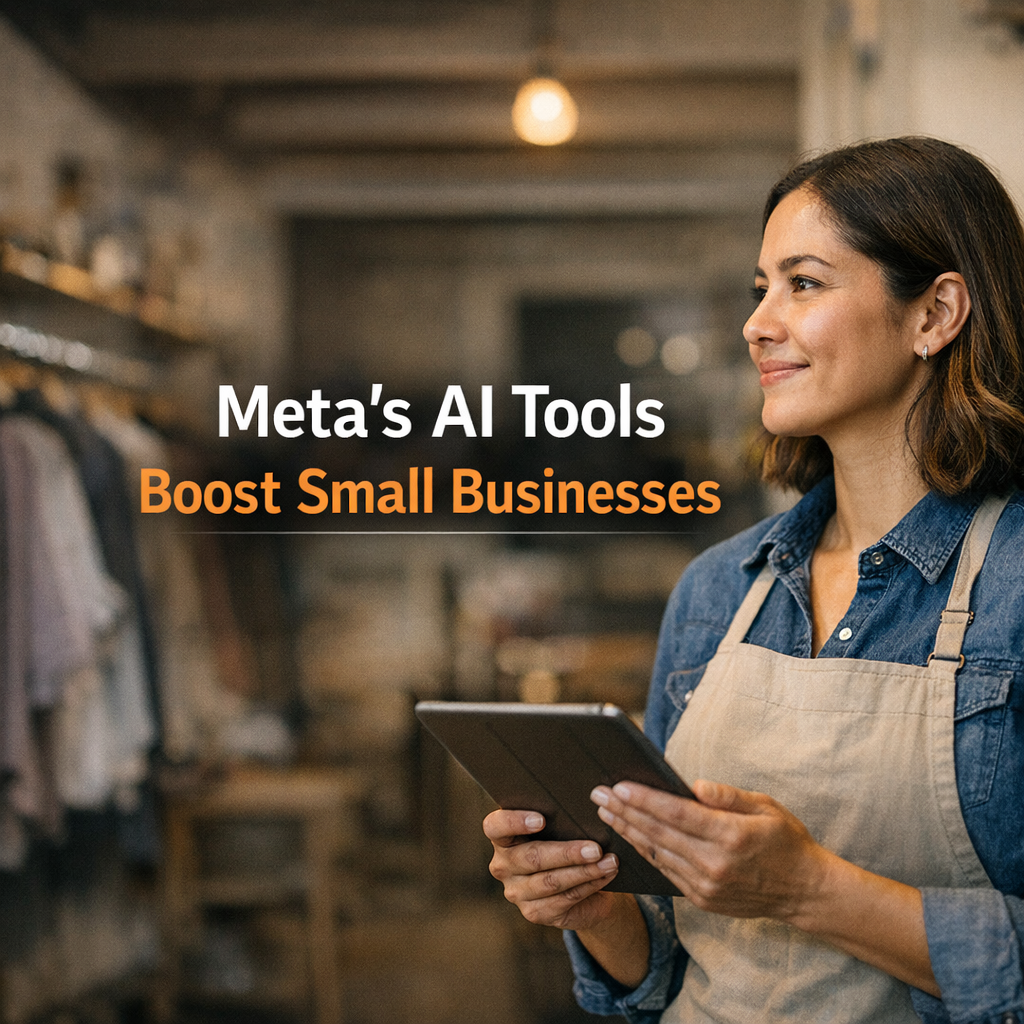
- Meta rolled out a new initiative to accelerate AI adoption and foster entrepreneurship, aiming to support developers and startups globally.
- The program offers resources like AI toolkits, mentorship, and access to Meta’s LLMs to streamline development and real-world implementation.
- Industry experts see this as a direct challenge to open-source AI communities—potentially reshaping the current landscape and intensifying Big Tech’s role in AI innovation.
- Meta’s efforts focus on practical AI use-cases, commercialization, and democratizing access—positioning itself alongside Google and Microsoft in shaping generative AI’s future.
Meta’s latest move places itself front-and-center in a rapidly evolving AI ecosystem—unveiling a global initiative aimed at jumpstarting entrepreneurship and mainstreaming AI adoption. As competition intensifies between AI giants and agile open-source communities, Meta’s program highlights both opportunity and tension for startups, developers, and technology professionals seeking to leverage generative AI and LLMs for commercial applications.
Key Takeaways
- Meta expands beyond social platforms—actively cultivating an AI developer ecosystem with tools and mentorship.
- The initiative could change the competitive balance among open-source and Big Tech-led AI innovation.
- Real-world AI application and commercialization remain at the center of Meta’s strategy.
What Meta’s AI Initiative Offers
According to TechCrunch, the new program delivers a multi-pronged support system: access to Meta’s proprietary large language models (LLMs), special AI developer toolkits, startup mentorship from Meta’s engineers and business leaders, and networking opportunities with investors. The initiative also includes cohort-based accelerator programs, modeled after Y Combinator and OpenAI’s startup funds, to help participants build scalable AI companies.
“Meta’s bid to democratize AI access reflects a strategic effort to expand its ecosystem, not just compete in the social sphere.”
Select regional accelerator hubs will initially launch in North America, Europe, and Asia-Pacific, with plans for wider access throughout 2026. This directly targets entrepreneurs often sidelined by either limited infrastructure or the rapidly rising entry barriers in commercial generative AI.
Implications for Developers and Startups
This initiative arrives as global generative AI adoption soars. For startups and independent developers, new support systems can drastically reduce the friction of building, testing, and deploying AI applications. With privileged access to Meta’s LLMs (such as the open Llama family and custom derivatives), developers can build smarter products, deploy faster, and compete more aggressively in both consumer and enterprise markets.
“Enhanced mentorship and resources from Big Tech could accelerate AI product launches—but may also shift leverage away from open AI communities.”
Startups eyeing global expansion gain from Meta’s deep infrastructure and industry contacts. However, some analysts argue that Big Tech-driven programs could centralize innovation, tightening the gatekeeping around both infrastructure access and future monetization strategies.
How This Alters the AI Ecosystem
Multiple sources, including Reuters and VentureBeat, highlight a new competitive era: Meta’s initiative parallels similar moves by Microsoft, Google, and AWS—each racing to build loyal developer communities and AI-native startups. This escalation could fragment the ecosystem into more tightly controlled platforms.
While Meta touts democratization, developer independence could erode if programs become essential gateways rather than open doors. For many startups, the trade-off between rapid AI adoption and vendor lock-in must factor prominently in strategic planning.
Outlook for AI Professionals
For AI researchers and professionals, this shift means stronger collaboration opportunities with Meta’s engineers and expanded access to cutting-edge generative AI models. However, the industry must confront questions on openness, long-term ecosystem health, and the true democratization of AI tools and data.
“AI professionals navigating Meta’s new ecosystem must balance resource advantages with potential shifts in platform openness and control.”
Conclusion
Meta’s initiative signals its ambition to shape not just the tools, but also the communities and commercial models governing the next phase of global AI adoption. For developers, startups, and AI professionals, this opens new opportunities—while renewing challenges around openness, ecosystem competition, and the balance of power in AI’s future.
Source: TechCrunch