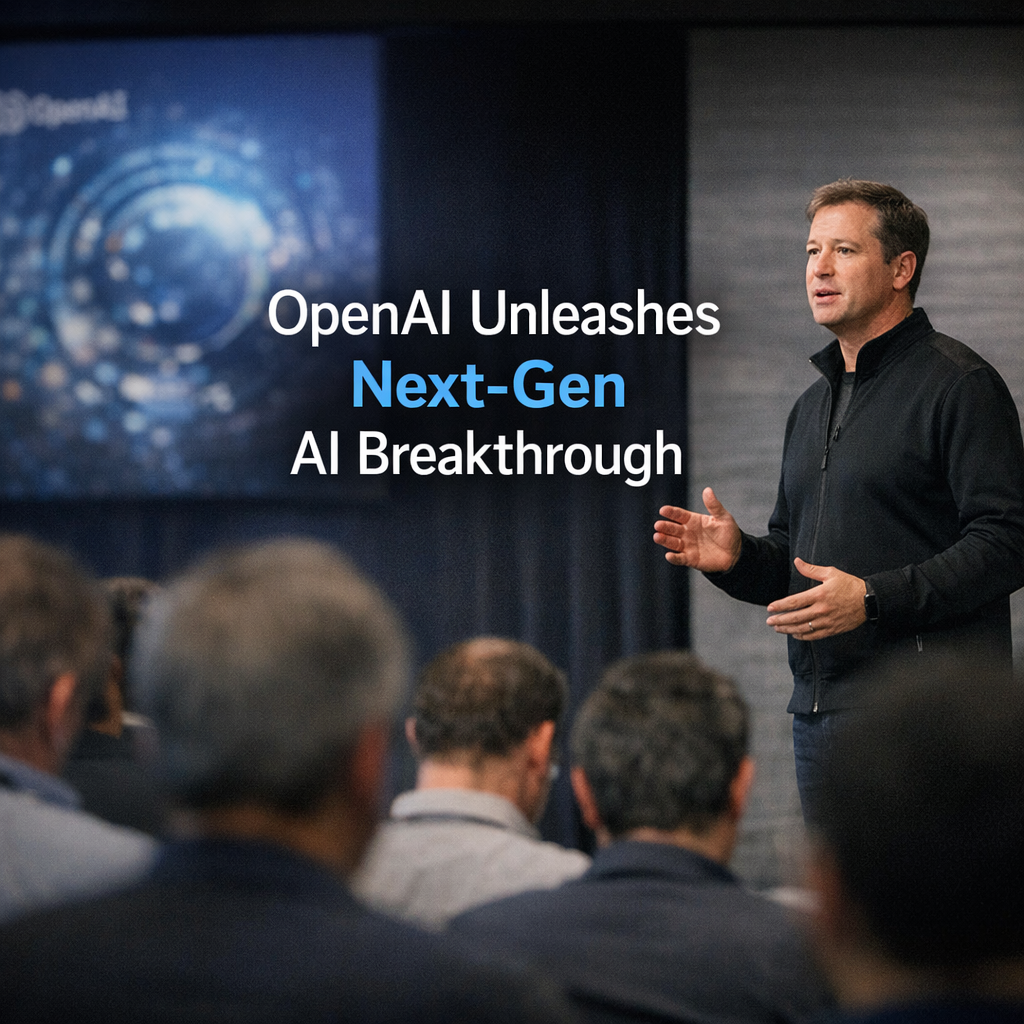
As the generative AI race accelerates, OpenAI has unveiled a significant breakthrough: the latest version of Codex—its code-generating large language model (LLM)—now runs on a new, custom-designed chip. This major shift not only signals a new era for AI infrastructure but also carries far-reaching implications for developers, startups, and the broader technology landscape.
Key Takeaways
- OpenAI’s new Codex release leverages a proprietary AI chip, specifically built for LLM workloads.
- This architectural change promises faster code generation and major improvements in cost-efficiency.
- The move stakes OpenAI’s leadership in purpose-built AI hardware, echoing strategies by Google and NVIDIA.
- Developers and enterprises can expect richer developer tool integrations and smoother real-world deployments.
- This strategic vertical integration may influence the entire AI chip ecosystem and the open-source AI community.
What’s New in OpenAI’s Codex Upgrade?
OpenAI’s previous Codex iterations relied on off-the-shelf GPU hardware. The new version, announced on February 12, 2026, breaks from that tradition. The dedicated chip, built in partnership with an undisclosed silicon fabrication partner, is engineered for extremely rapid language and code modeling. Leading publications, including SemiAnalysis and The Verge, highlight that the chip outpaces leading NVIDIA and AMD alternatives in key LLM benchmarks, with energy savings of up to 25% for inference tasks.
“The new Codex sets a new performance baseline for real-time code generation, turbocharging developer productivity.”
Why This Matters for Developers, Startups, and the AI Industry
The introduction of a custom AI chip brings immediate benefits: reduced latency, lower operating costs, and improved scalability for code-centric applications. For DevOps and backend engineers, this means smoother integration of generative AI components into CI/CD pipelines. AI-driven coding tools, such as GitHub Copilot and enterprise copilots, will see faster response times and expanded language support.
“OpenAI now controls its full AI stack—foundational model, inference engine, and hardware—enabling relentless optimization.”
Wider Implications for the Generative AI Ecosystem
This move signals a major trend: AI leaders are designing custom silicon to stay ahead in the generative AI arms race. Similar to Google’s TPU strategy, OpenAI’s vertical integration unlocks rapid iteration on model architectures, cost discipline for cloud AI services, and new moats against rivals. For startups relying on public cloud GPUs, the bar for AI infrastructure just moved higher.
On the hardware front, partnerships and supply chain impacts are substantial. Reports from Tom’s Hardware note a likely ripple effect on GPU pricing and availability, as hyperscalers reevaluate their dependency on NVIDIA. The tight integration between Codex and OpenAI’s developer platform also gives rise to richer APIs for code analysis, completion, and refactoring—all at lower real-time serving costs.
Opportunities and Challenges Ahead
For companies building developer tools and startups in the AI-powered productivity space, OpenAI’s custom chip paves the way for more affordable, high-throughput, code intelligence offerings. However, this tighter integration may slow open-source alternatives, as exclusive hardware advantages become more pronounced.
Notably, enterprises seeking greater data privacy and on-premises solutions now have a preview of the future: competitive generative AI will soon run on specialized, vertically integrated stacks, not just generic cloud hardware.
“AI infrastructure is shifting from commodity hardware to tightly-coupled, model-optimized chips.”
Conclusion
OpenAI’s custom Codex chip marks a strategic inflection point for generative AI, with real-world implications for developers, startups, enterprises, and the hardware ecosystem. As the AI stack becomes increasingly specialized, agility and performance will depend on deep hardware-software co-design. The race to democratize, optimize, and monetize generative AI enters a new phase—one led by those who control not just code, but silicon itself.
Source: TechCrunch