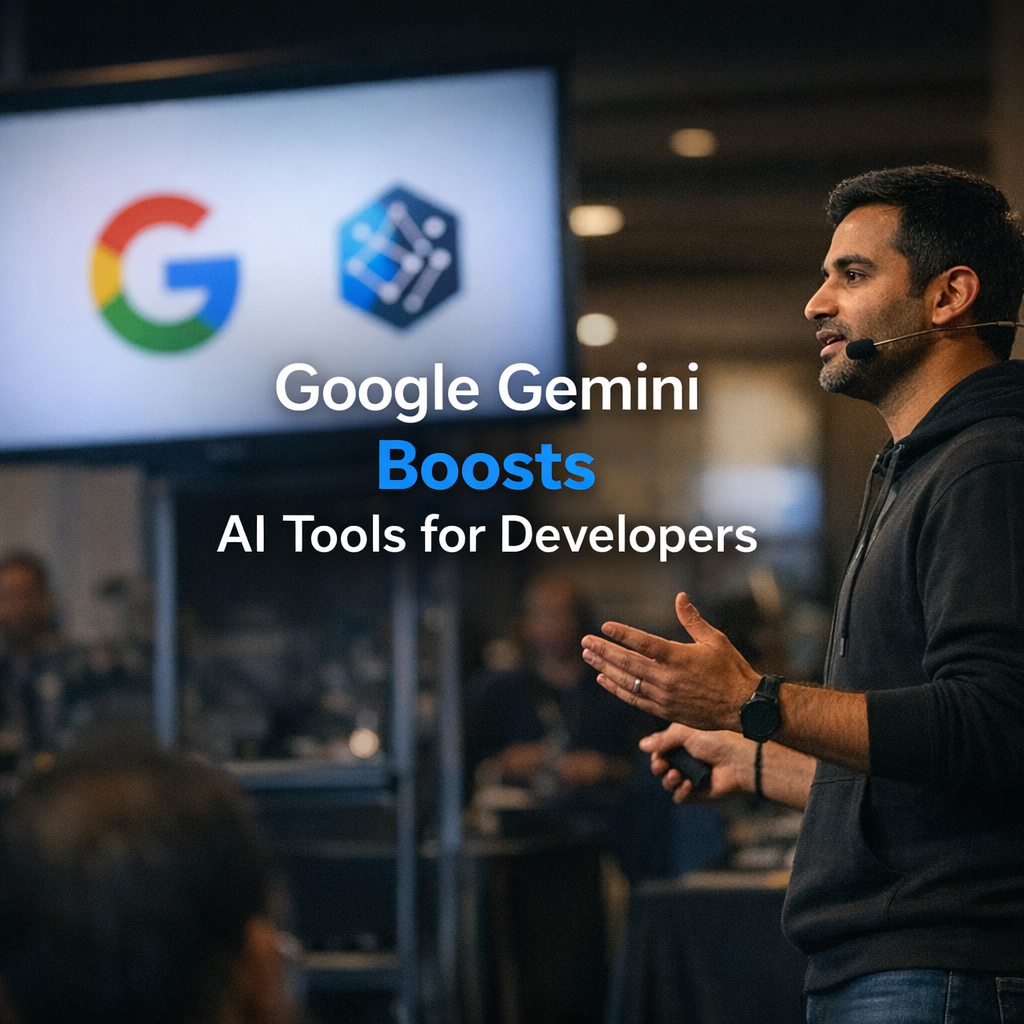
Google Photos just launched its “2025 Recap” feature powered by Gemini AI, marking a major step in how generative AI organizes and summarizes personal memories.
This upgrade goes beyond highlights, using large language models (LLMs) to add narrative context and customization for users worldwide.
Key Takeaways
- Google Photos now uses Gemini AI for its year-in-review feature, offering personalized memory recaps.
- Gemini leverages LLM capabilities to generate summaries, suggest categorization, and add narrative context to photos and videos.
- This move signals the normalization of generative AI for consumer-facing, real-world applications.
- For developers and startups, this shows potential in integrating LLMs with existing platforms for unique user experiences.
Gemini AI Transforming Everyday Digital Experiences
Google Photos’ 2025 Recap does more than resurface images. Gemini AI dives deep into user albums, thread together meaningful narratives, and produce summaries akin to personalized highlight reels.
According to the official Google blog, Gemini analyzes temporal sequences, image types, locations, and even user-supplied text to generate these recaps.
Google’s adoption of Gemini in Photos signals a mainstream shift for LLM-powered memory curation — consumer AI is getting more contextual, more adaptive, and far more personal.
Practical Implications for Developers and Startups
This deployment underlines a valuable opportunity for app makers and startups: combining generative AI with existing datasets to extract new value. Developers can study Google’s model—using LLMs not just to classify or recognize, but to actively summarize and contextualize.
Gemini’s integration shows how LLMs support dynamic, user-driven content creation—suggesting a growing market for apps with AI-generated stories, summaries, or timelines.
Startups working in verticals like health, productivity, or creative tools can take inspiration from this.
Through API integration or by using open-source LLMs, companies can craft new services for summarization, intelligent search, or automated storytelling, much like Google does for user photos and videos.
Elevating AI Expectations in Consumer Tech
Real-world generative AI applications, like Google Photos’ Recap, reset user expectations. LLMs now work in the background, sorting, narrating, and enhancing daily digital tasks.
The industry will likely see this trend extend into cloud storage, note-taking, relationship management, and more.
The shift: LLMs quietly move from the spotlight to a seamless, behind-the-scenes role in everyday consumer products.
For AI professionals, this means not just innovating on model architecture, but refining usability, interpretability, and privacy protections.
Companies applying generative AI should consider federated models or on-device processing to mitigate privacy concerns, as these deployments become more deeply integrated with sensitive user data.
Future Outlook: Beyond 2025 Recaps
As LLMs evolve, expect to see sophisticated, customizable digital narratives across platforms—turning raw data into contextualized, memorable experiences.
From automated journaling to enterprise media management, the Gemini-in-Photos model foreshadows a wave of AI-infused storytelling in digital life.
Early adopters and developers who embrace this paradigm can set new standards for how users experience and benefit from their digital histories.
Source: TechCrunch