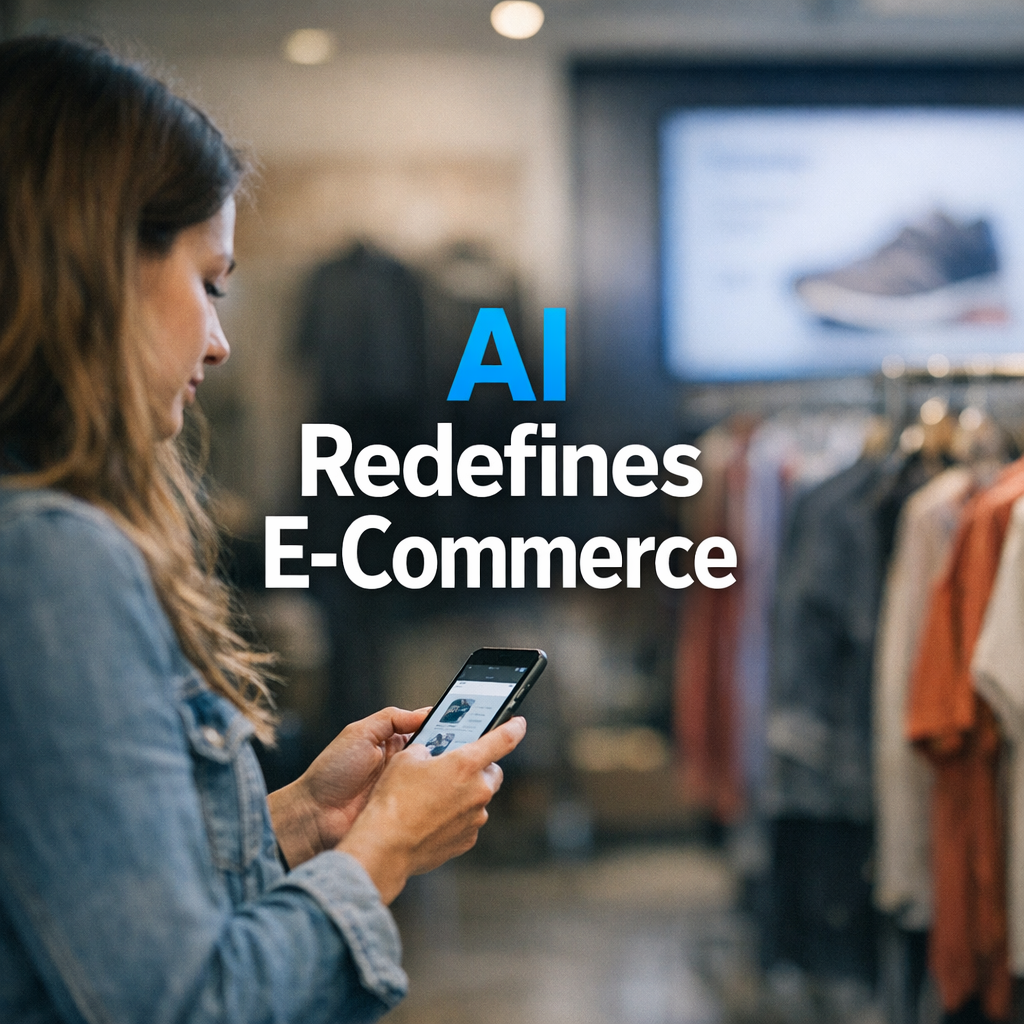
The integration of AI chatbots like ChatGPT into retailer and app platforms is accelerating, with new data showing substantial increases in referral traffic and conversions across the e-commerce landscape.
As generative AI capabilities improve, more businesses harness LLMs to enhance discovery and drive sales, fundamentally reshaping how consumers interact with online platforms.
Key Takeaways
- ChatGPT-driven referrals to retail and app platforms jumped 28% year-over-year, reflecting growing commercial impact.
- Major retailers actively embed generative AI for search, discovery, and personalized recommendations.
- AI chatbots now influence not just web traffic, but end-to-end shopping behavior, including purchase conversion.
- Developers and startups see increased demand for LLM-powered commerce integrations.
- Industry reports predict further growth as user trust in generative AI accelerates adoption.
AI Chatbots Reshaping Ecommerce Referrals
According to a new report highlighted by TechCrunch, ChatGPT-generated referrals to retail websites and shopping apps grew by 28% in the past year. This surge surpasses previous growth estimates by Similarweb, which noted a 17% increase in 2024, reinforcing a sustained trend toward AI-enabled discovery.
“LLM-powered chatbots now drive not just traffic, but the entire customer journey — from initial discovery to final purchase.”
Major U.S. retailers such as Walmart and Target have launched their own generative AI experiences, using LLMs for product search, dynamic recommendations, and simplified checkout flows.
Shoppers increasingly rely on conversational interfaces, with bot-generated product links showing higher conversion rates than traditional search or banner ads.
Implications for Developers and Startups
The surge in AI-driven referrals signals strong opportunity for developers. Demand is rising for robust APIs, plug-ins, and custom LLM integrations, making it essential for startups and SaaS providers to optimize support for e-commerce platforms.
“Enterprises want ready-made tools to integrate generative AI into legacy systems, but security and explainability remain mission-critical.”
Companies like Google and Microsoft continue to invest heavily in AI infrastructure for retail, expanding their LLM-based shopping assistants on Search and Copilot. Meanwhile, emerging players focus on vertical-specific models to deliver hyper-personalized user experiences.
AI Professional & Industry Considerations
For AI professionals, the rapid adoption of generative AI in commerce highlights a shift toward “AI as infrastructure.” The challenge now lies in optimizing LLM performance at scale, ensuring fair model outputs, and aligning recommendation engines with ethical guidelines.
“As generative AI becomes a default layer in commerce, model transparency, user agency, and trust grow increasingly vital.”
Privacy technologists and compliance teams must also adapt LLM deployments to evolving regulations, particularly across data sharing, algorithmic bias, and user authentication.
Outlook: Generative AI’s Expanding Retail Footprint
The upward trajectory of ChatGPT-driven referrals sets a benchmark for LLM adoption across the broader retail sector.
With new entrants and incumbents accelerating investment, generative AI is poised to play a defining role in the future of online commerce — both for businesses optimizing digital touchpoints and consumers seeking faster, more intuitive shopping journeys.
Source: TechCrunch