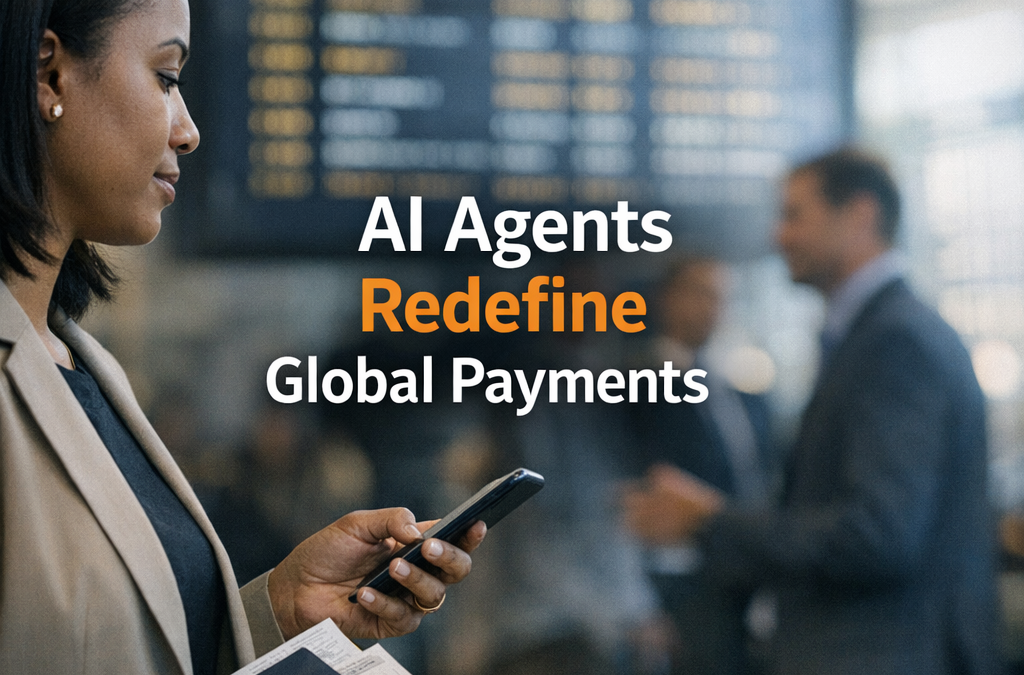
AI-powered payments within chat interfaces mark a major evolution in consumer technology.
PayPal’s integration with OpenAI’s ChatGPT opens new frontiers for conversational commerce, blending generative AI and real-world transactions.
For the rapidly evolving ecosystem of developers, startups, and AI professionals, this move signals the next phase of natural language-enabled apps and payments.
Key Takeaways
- PayPal and OpenAI have announced direct payment capabilities inside ChatGPT, transforming the chatbot into a shopping assistant with transaction features.
- This partnership accelerates the fusion of LLMs, generative AI, and fintech, unlocking seamless, end-to-end commerce in chat-based environments.
- The integration leverages PayPal’s global payments infrastructure to add functionality and trust to emerging AI interfaces.
- Developers and startups get new frameworks and monetization pathways by embedding payments directly into AI-powered platforms.
- Security, privacy, and user experience emerge as critical factors, pushing the industry to innovate trustworthy, frictionless payment workflows within AI applications.
Transforming Conversational Commerce
ChatGPT users can now complete purchases, check out items, and handle transactions entirely within their chat experience, as confirmed by TechCrunch and corroborated by sources such as CNBC and Reuters.
By connecting PayPal’s APIs to the ChatGPT environment, users enjoy a frictionless checkout, eliminating the need to switch to external apps or sites.
“This integration marks a pivotal step in making AI assistants actionable—not just conversational—for billions of users.”
Implications for Developers and Startups
This partnership sets a precedent: embedding payment services within large language models (LLMs) enables developers to build entirely new user journeys.
APIs and toolkits, expected to be released soon, will allow tech teams to seamlessly connect their AI-powered chatbots or recommendation engines with PayPal’s robust payment stack.
For startups, this creates not just a technical opportunity, but also a channel for deeper engagement and revenue. Shopping, booking, and support bots can now monetize directly, driving a new wave of “AI-native transactional applications.”
“Generative AI is no longer just about content or conversation—it’s now a gateway to commerce.”
Security, Trust, and User Experience
With payments now a core AI feature, ensuring rock-solid security and user privacy becomes crucial.
PayPal’s existing security frameworks, combined with OpenAI’s in-chat consent workflows, aim to reassure users and maintain trust as these features scale, as highlighted by industry analysts at Forbes.
The Competitive Landscape
Rivals such as Stripe, Google Pay, and Apple Pay have also experimented with conversational commerce via their own AI-enabled APIs. However, the OpenAI/PayPal alliance stands out for its scale and the maturity of its underlying technology stack.
This development puts pressure on other payment and AI providers to accelerate integration and innovation.
Outlook for AI Professionals
The intersection of generative AI and payments is reshaping user expectations. Professionals in the AI field should monitor best practices for conversational UX, payment compliance, and data security.
The rise of in-chat payments will create fresh demand for prompt engineering, LLM fine-tuning, and security-centric system design.
“AI professionals who learn to unify language understanding with financial transactions will define the next wave of smart applications.”
Conclusion
PayPal and OpenAI’s integration signals an era where generative AI does not just talk, but acts—with payments at its core.
Developers should begin planning for embedded transaction flows, startups should seek new AI-driven commerce models, and industry professionals must focus on secure, scalable implementations. The future of AI applications is not just intelligent—it’s transactional.
Source: TechCrunch