AI innovation stands at a crossroads as recent US tariffs on Chinese technology reshape the global landscape.
Developers, startups, and enterprise leaders must understand these shifts to adapt strategies, invest wisely, and ensure continued access to cutting-edge AI ecosystems.
Key Takeaways
- US tariffs on Chinese tech imports threaten to fragment AI supply chains and limit collaboration.
- Increased costs and restricted access to advanced AI hardware (notably GPUs) pose direct risks to American startups and developers.
“Ongoing trade tension accelerates the global race for AI talent and sovereignty, fueling regional AI ecosystems.”
- Tariffs may trigger China and the US to intensify domestic investments, quickening the pace toward independent AI hardware and software stacks.
- Developers and enterprises must pivot strategies—exploring multi-region resilience and new cross-border data-sharing mechanisms.
How US Tariffs Are Reshaping the AI Landscape
The recent announcement of renewed and expanded US tariffs on selected Chinese technology imports—highlighted by President Trump’s policy agenda—has intensified concerns around access to essential AI hardware, particularly GPUs like those from NVIDIA and leading edge semiconductor components. Multiple sources, including AI Magazine and Reuters, detail how these trade restrictions threaten to fragment the global AI supply chain.
Direct Implications: Developers, Startups, AI Enterprises
AI startups will face hardware procurement bottlenecks and price hikes owing to tightened hardware imports and higher tariffs.
- Early-stage product cycles risk delays as restricted chip availability drives up costs for training large language models (LLMs) and advanced generative AI applications.
- Enterprise AI teams relying on globally distributed resources must enhance multi-region infrastructure agility and seek non-tariffed supply partners.
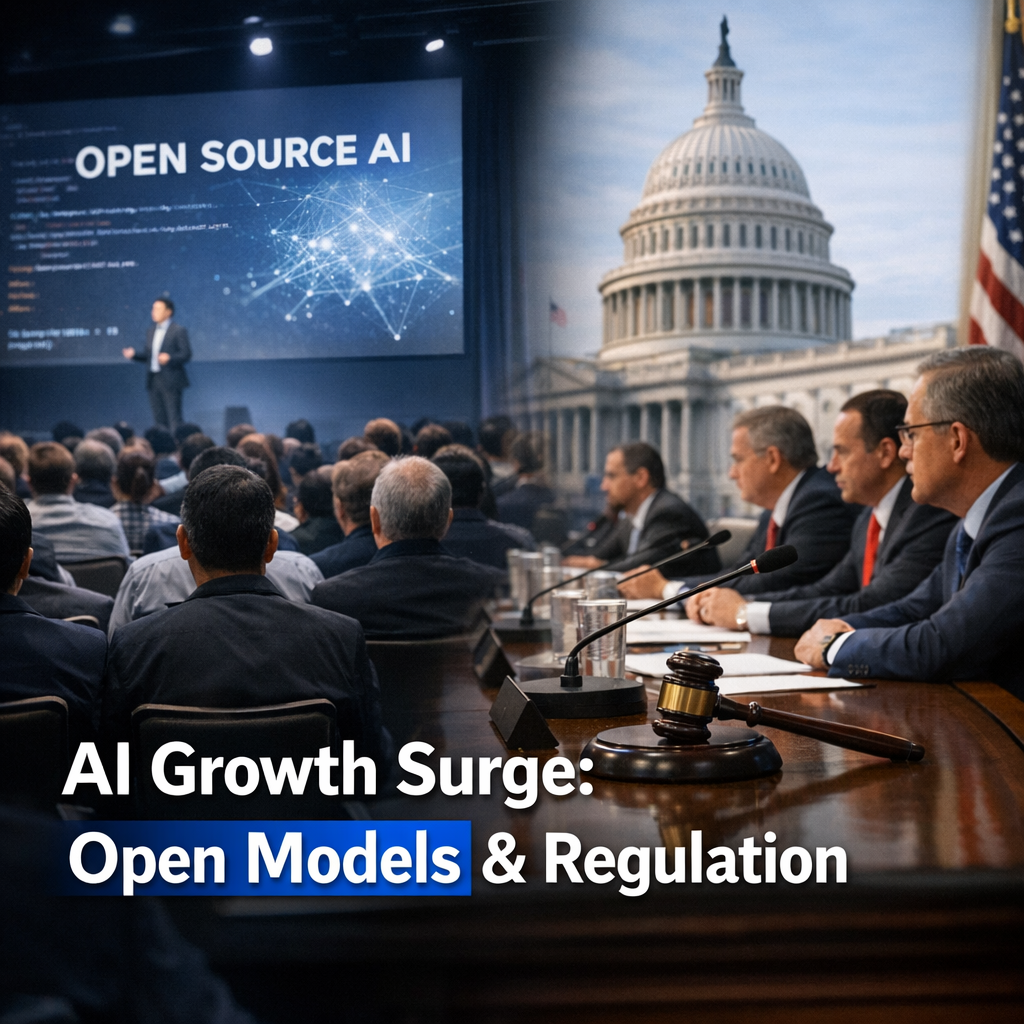
- US and Chinese developers may double efforts around open-source AI frameworks and domestic chip designs, aiming to reduce reliance on foreign technology.
Race for AI Sovereignty and Regional Ecosystems
Several market analysts, referencing CNBC and WIRED, emphasize that these restrictive moves will not slow global AI progress but prompt rapid localization. Countries strive for self-sufficiency and sovereignty over data, talent, and core AI chips.
The next phase of AI innovation will increasingly center on regional clusters, protected supply chains, and state-backed R&D—fragmenting the once-global AI collaboration model.
Strategic Recommendations for AI Professionals
- Monitor evolving export controls and tariff policies; invest in legal and compliance awareness for overseas operations.
- Develop redundancies in infrastructure and cloud supply—consider both US and Asia-Pacific vendors and cloud availability.
- Prioritize collaboration with regional research hubs and AI communities immune to direct tariff impacts.
- Balance LLM development with models designed for lighter, edge-computing hardware to hedge reliance on restricted chips.
What Lies Ahead
The ongoing trade war introduces genuine risk but also opportunity: those able to navigate complex, multilayered supply chains and build cross-border partnerships will gain an early edge.
As both Washington and Beijing double down on AI self-reliance, the innovation arms race may fragment further—requiring bold adaptation from every tech builder, venture, and researcher.
Tariff-fueled decoupling will reshape the future of AI—pushing the best minds and organizations to innovate from within regional boundaries.
Staying agile and informed remains critical in this pivotal era of generative AI and large language models.
Source: AI Magazine